

On Monday April 20, the Asian Development Bank (ADB) Country Director for Tajikistan, Mr. Ko Sakamoto, informed journalists about ongoing projects, plans for the coming years, and a new cooperation strategy with Tajikistan. The focus is on job creation, private sector development, and expansion of funding.
ADB projects: from agriculture to digitalization
Ko Sakamoto noted that in 2025, ADB continued to provide grant projects in the public sector. They cover a wide range of areas – from digital agriculture and risk management related to glacier melting to disaster recovery and improving the business climate.
He emphasized that last year was somewhat pivotal: for the first time, ADB began to work directly with the private sector.
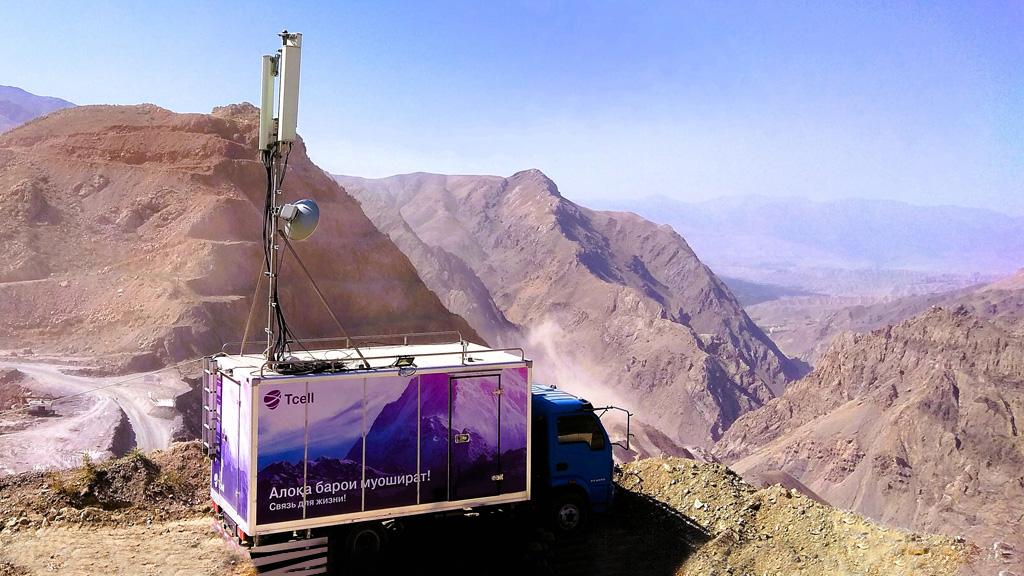
One example of this approach was a project with the company Tcell, aimed at expanding access to digital services and improving connectivity, especially in the regions.
New strategy: focus on jobs
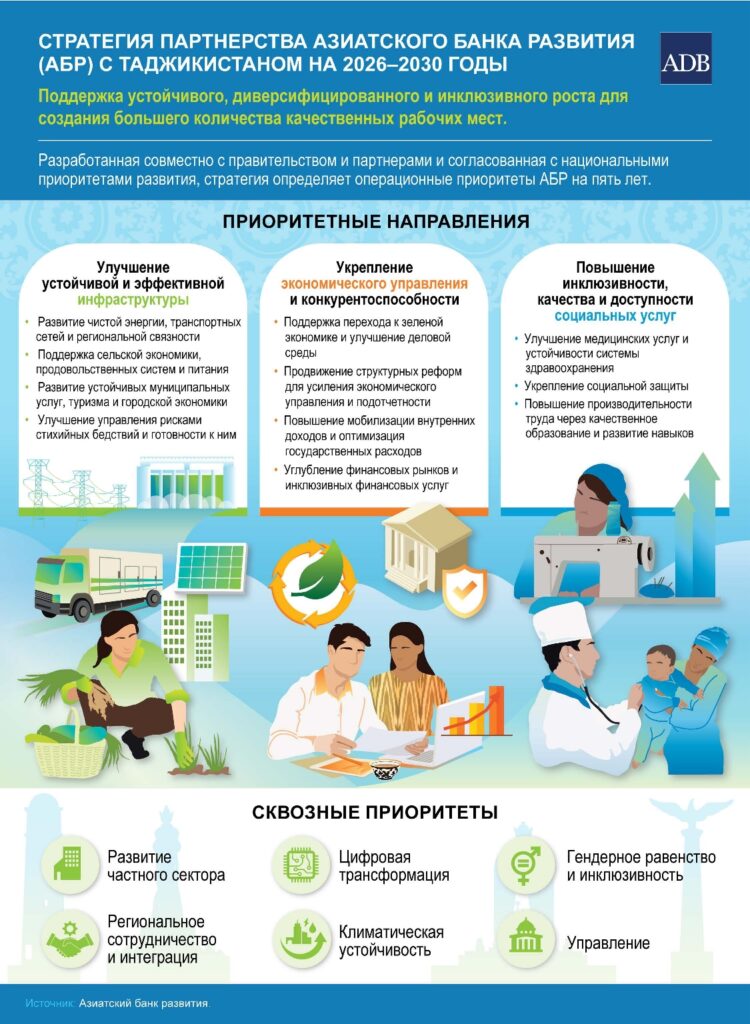
Ko Sakamoto reminded that in March of this year, ADB President Masato Kanda visited Tajikistan, where a new five-year partnership strategy was presented together with government representatives.
The main conclusion the bank reached after analyzing the situation in the country is that job creation should become priority number one.
Moreover, it is about not just employment, but quality jobs with decent pay. The ADB representative noted that it is still challenging for Tajikistan to provide a sufficient number of such jobs for its young and growing workforce.
Banks, loans, and business development
One of the key barriers to the growth of Tajikistan’s economy, according to Ko Sakamoto, remains the cost of loans.
He emphasized that without lowering interest rates, large-scale business development, and hence the creation of new jobs, is impossible.
In this regard, the bank works with the Ministry of Finance, the National Bank of Tajikistan, and other structures on financial sector reforms. This involves expanding the population’s access to financing, increasing competition among banks, and consequently lowering rates.
Simultaneously, ADB began investing directly in commercial banks. One such example is cooperation with Eskhata Bank. Such investments enable banks to lend more actively to small and medium businesses on more favorable terms.

Economy: growth persists but slows
According to ADB estimates, Tajikistan’s economy shows stable growth.
If last year the real GDP growth was 8.4%, then in 2026 it is forecasted to be 7.3%, and by 2027 it may decrease to 6.8%.
Despite the gradual slowdown, these figures remain quite high. The ADB representative associates this with macroeconomic stability and ongoing reforms.
However, the forecasts remain sensitive to external factors and uncertainty.
Transition from grants to loans
Ko Sakamoto noted that significant changes are expected in ADB’s cooperation format with Tajikistan.
Since 2018, the country has received exclusively grant aid in relatively limited amounts. It is expected that starting in 2027, the country may gain access to the bank’s loan funds.
This, according to the ADB Country Director, means the opportunity to attract significantly larger resources for infrastructure financing and other projects.
.
Around 30 new projects
Ko Sakamoto informed media representatives that in the next four years, ADB is considering implementing around 30 new projects in Tajikistan.
Among them:
– a regional health project;
– development of transport infrastructure;
– modernization of the social insurance system.
The bank’s representative noted that they are ready to reveal details on each project as they are developed.
Roghun HPP: discussions continue
Responding to a question about the Roghun HPP, Ko Sakamoto reported that the details of possible financing are still being discussed with the country’s authorities.
In particular, it involves the construction of facilities on the right bank of the dam. The project is considered large and complex, requiring thorough planning.
He emphasized that this project could have a significant multiplier effect – contributing to economic growth, job creation, and the development of the green economy.
Currently, the discussion focuses on issues of ecological and social safety, as well as the reliability of the dam itself.
Healthcare: protection from future pandemics
Regarding the regional health project, Ko Sakamoto explained that it is aimed at improving the country’s readiness for future pandemics.

Special attention is given to transboundary infections. As part of the project, it is planned to enhance the equipment of border checkpoints so they can effectively respond to such threats.
Digitalization: three levels of transformation
According to Ko Sakamoto, ADB views the digital development of Tajikistan as a multi-level process.
The first level is infrastructure: internet, fiber-optic networks, development of 3G, 4G, and 5G, as well as data security.
The second level is the so-called Digital Public Infrastructure (DPI), which ensures data exchange between different systems and departments. In this direction, the bank cooperates with the Agency for Innovations and Digital Technologies of Tajikistan.
The third level involves applied solutions in specific sectors: transport, agriculture, social protection, and others.
He emphasized that the project with Tcell, in particular, aims to expand 4G coverage, especially in remote areas.
Transport: the country at the intersection of corridors
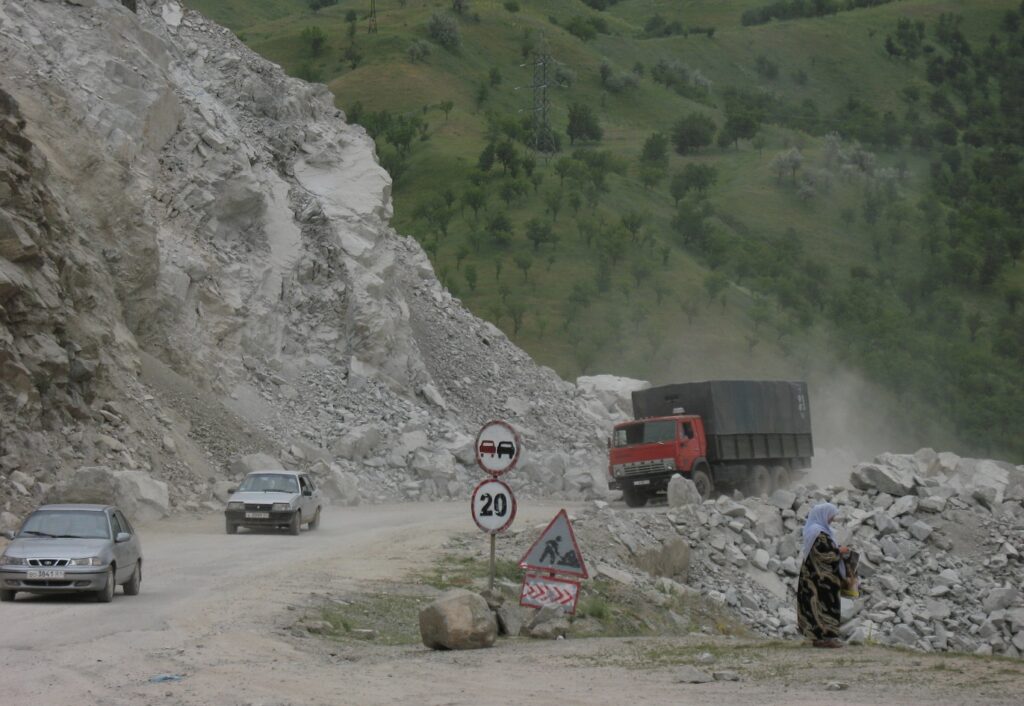
ADB continues to support the development of transport infrastructure in the region.
This involves international corridors East-West (Europe-Asia) and North-South. Tajikistan holds a strategically important position on these routes, connecting different parts of the region.
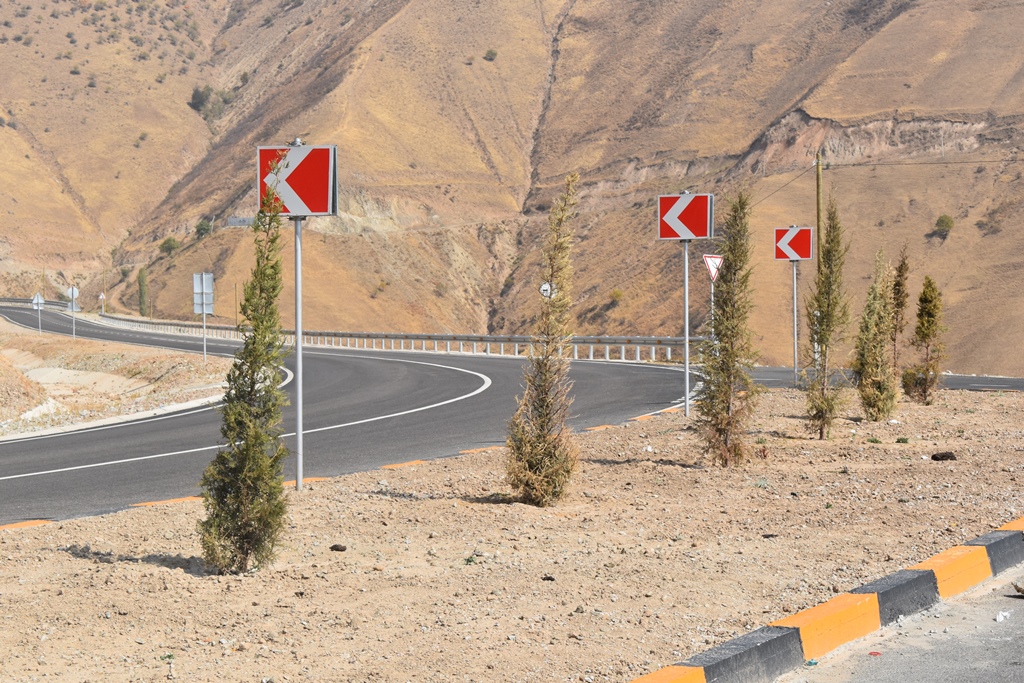
In particular, projects are being implemented for the development of the road network, including directions linking the country with China.
Inclusive infrastructure
The bank pays particular attention to the accessibility of infrastructure for all population categories.
The organization’s representative believes that transport projects should consider the needs of women, children, the elderly, and people with disabilities.
For example, in Dushanbe, within the framework of urban transport projects, the task is to make buses accessible for people with limited mobility and to ensure pedestrian safety through crossings, stops, and other elements.
International agenda
Key topics of regional development will be discussed at the annual meeting of the ADB Board of Governors, which will take place in in Samarkand, Uzbekistan in May this year.
The focus will be on three directions:
– development of connectivity,
– use of data for development,
– mobilization of financial resources.
High-level delegations, including representatives of the government of Tajikistan, are expected to participate.
About ADB
Since Tajikistan joined ADB in 1998, the Bank has provided nearly $3 billion in development assistance, becoming one of the country’s largest multilateral partners.
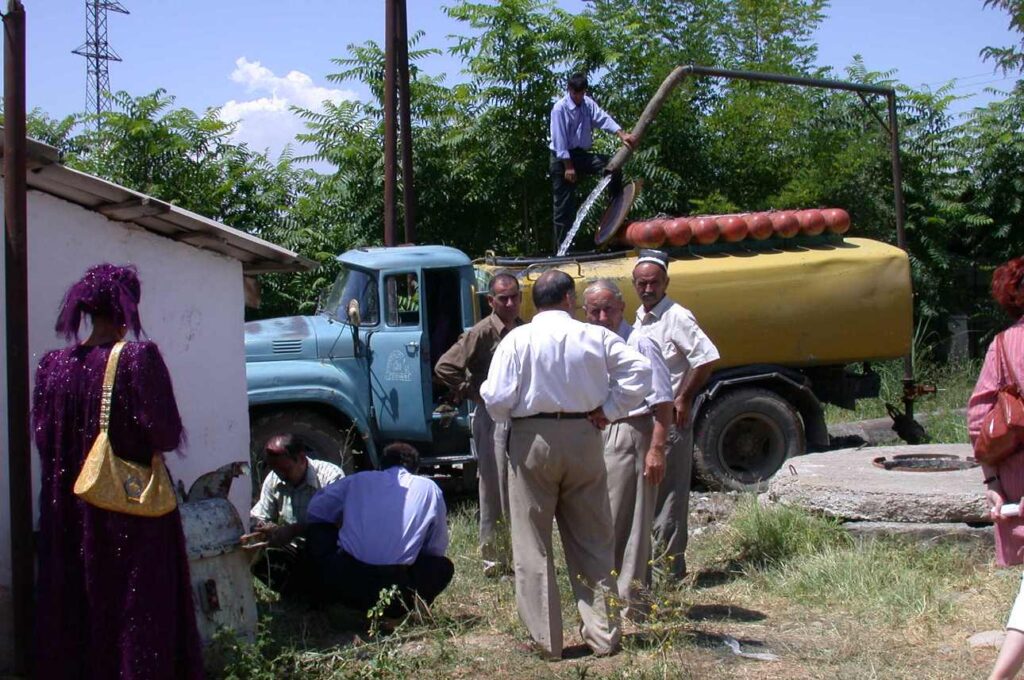
This partnership has delivered significant results, including the modernization of key highways connecting cities across the country, the modernization of key irrigation and water supply systems, as well as the construction of hospitals and schools.
ADB also supported the construction of power transmission lines and electrical substations, reconnecting the national power system with the Central Asian power grid and the rehabilitation of the Nurek and Golovnaya hydroelectric power plants.
