In recent months, information about the spread of foot-and-mouth disease and other dangerous infectious diseases among farm animals in different countries has increasingly appeared in the media and social networks. Considering the close economic ties, cross-border movement of livestock and livestock products, the “Asia-Plus” editorial office sent an official inquiry to the Food Security Committee under the Government of Tajikistan.
Below are the written responses from Mustafo Odina Muminzoda, Deputy Chairman of the Food Security Committee.
– According to the available information, outbreaks of the disease have been recorded in China (specifically the new serotype SAT 1), as well as concerns about mass livestock disease cases in Russia and Central Asia. What is the current epizootic situation in Tajikistan?
– According to the data available to date, the epizootic situation regarding foot-and-mouth disease in Tajikistan is assessed as stable, but the country is in a regionally at-risk zone.
According to official data, in recent years, there have been no confirmed cases of foot-and-mouth disease in the country. The Committee closely monitors the situation with the emergence of new serotypes (particularly SAT 1) in neighboring regions.
Regular veterinary preventive measures, including vaccination of farm animals, are conducted in the country, ensuring a maintained level of immune protection for the livestock.
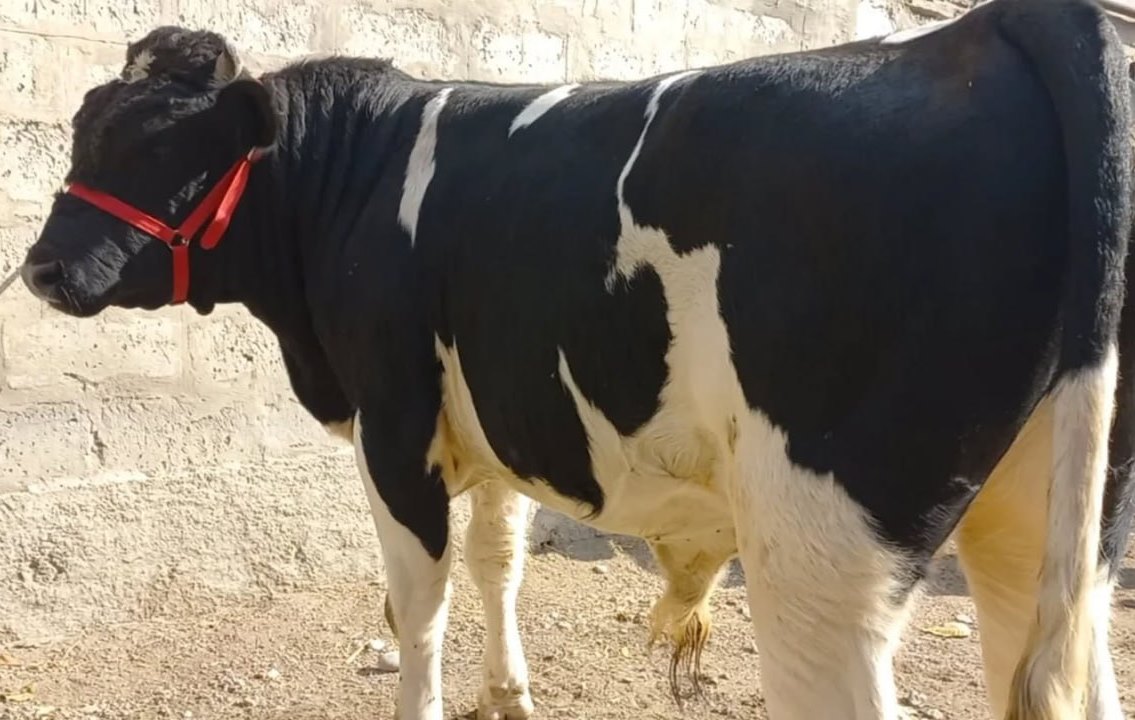
Foot-and-mouth disease is an infectious animal disease caused by a virus that affects cattle, pigs, sheep, and goats. It causes ulcers and blisters on the skin and mucous membranes. There are 7 serotypes of the virus, the most common being O, A, and SAT. Foot-and-mouth disease can lead to significant economic losses due to decreased productivity and trade.
– Is there a risk of foot-and-mouth disease entering Tajikistan due to the current epizootic situation in neighboring and regional countries?
– The risk of the foot-and-mouth virus entering indeed exists and is assessed as elevated, despite the absence of outbreaks within the country. Tajikistan is characterized by cross-border movement of animals, livestock products, active livestock trade, and seasonal migrations.
It should be noted that even a single infected animal or contaminated product can be a source of an outbreak, which is one of the key risk factors for the introduction of the infection.
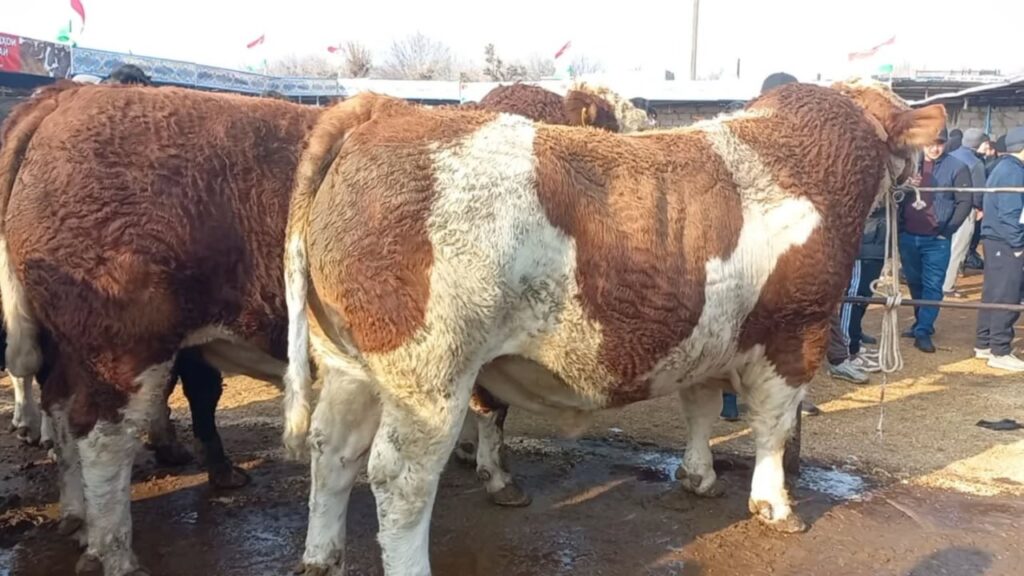
What is the Committee doing for prevention?
– What preventive measures is the Committee taking to prevent the entry and spread of foot-and-mouth disease?
– The Food Security Committee and its subordinate veterinary services implement a comprehensive set of systematic preventive measures aimed both at preventing the introduction of the infection and at promptly localizing potential foot-and-mouth disease foci. The foundation consists of epizootiological monitoring and early disease detection.
Planned vaccination of farm animals is conducted, forming population immunity and reducing the risk of infection spread. Control over the movement of animals, transportation, and livestock migration, as well as trade in markets and movement of livestock products, is strengthened. Veterinary inspection points operate on the routes of seasonal animal migration in the country, which is a key measure against the introduction of infection between regions.
Laboratory control and seromonitoring are conducted to detect hidden circulation and assess vaccination effectiveness. Action planning in case of an outbreak allows for a quick localization of the disease upon introduction.
At border veterinary points, accounting, disinfection of cargo, control of animal importation (quarantine measures), and animal product importation are carried out to prevent the introduction of dangerous diseases.
– What recommendations are given to farmers and farm owners to prevent the spread of the disease?
– Practical recommendations are given to farmers and farm owners aimed at reducing the risk of infection introduction and breaking foot-and-mouth disease transmission chains. They comply with international biosecurity standards and are adapted to local conditions.
It is recommended to limit animal contacts and movements, mandatory vaccination of livestock, observing biosecurity measures on farms, and controlling transport and product movement.
Special attention is paid to training in recognizing clinical signs of foot-and-mouth disease, isolating sick and suspicious animals, keeping animal groups separate, and complying with pasture and feed safety requirements.
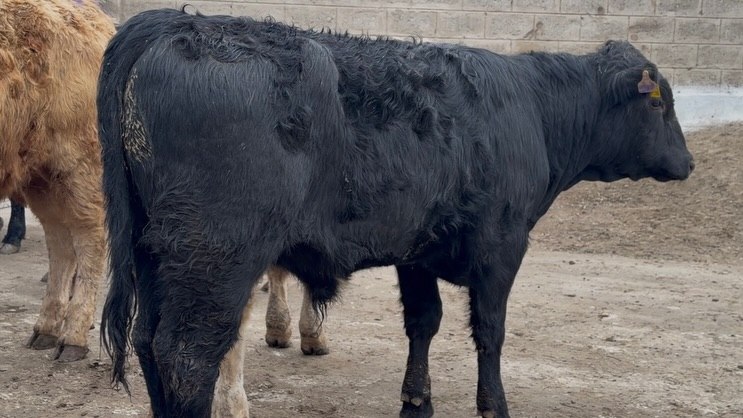
Cooperation for safety
– Is the veterinary service ready for possible outbreaks?
– The readiness of the country’s veterinary service for possible outbreaks of animal infectious diseases is ensured by the presence of key components such as vaccines, laboratory diagnostics, and response plans.
Response plans and epizootic control, as well as the legislative framework (the Law “On Veterinary Medicine”), provide for necessary measures, including interaction with international organizations: the Food and Agriculture Organization of the United Nations (FAO) and the World Organisation for Animal Health (WOAH).
Mainly, on the part of the Veterinary and Breeding Supervision Department, vaccination and laboratory testing for foot-and-mouth disease detection are conducted for epizootic surveillance purposes.
– Is there interaction with international organizations (e.g., FAO) and neighboring countries for disease monitoring and control?
– Interaction with international organizations and neighboring countries for disease monitoring and control is an important part of the epizootic surveillance system. The Food Security Committee of the Republic of Tajikistan cooperates with FAO, WOAH. The main areas of cooperation include exchanging epizootic information, participating in joint monitoring and early warning programs, providing technical support, training specialists for skills enhancement, and developing prevention and response strategies.
Regional interaction with neighboring countries is carried out, especially under conditions of transboundary risks associated with the disease.
It should be noted that the World Organisation for Animal Health is an intergovernmental organization that conducts global monitoring of the spread of animal diseases and informs countries about detected cases.
The Food Security Committee, as the central executive body overseeing animal health and welfare, as well as food product safety, takes all necessary measures for the prevention and control of animal infectious diseases.