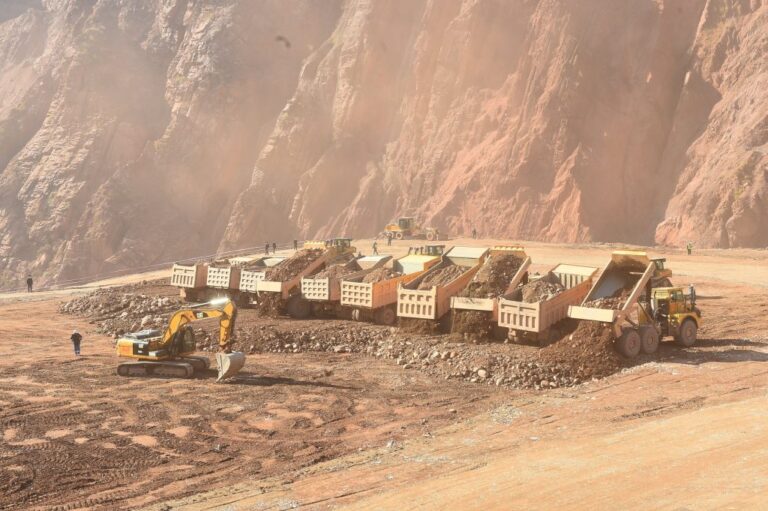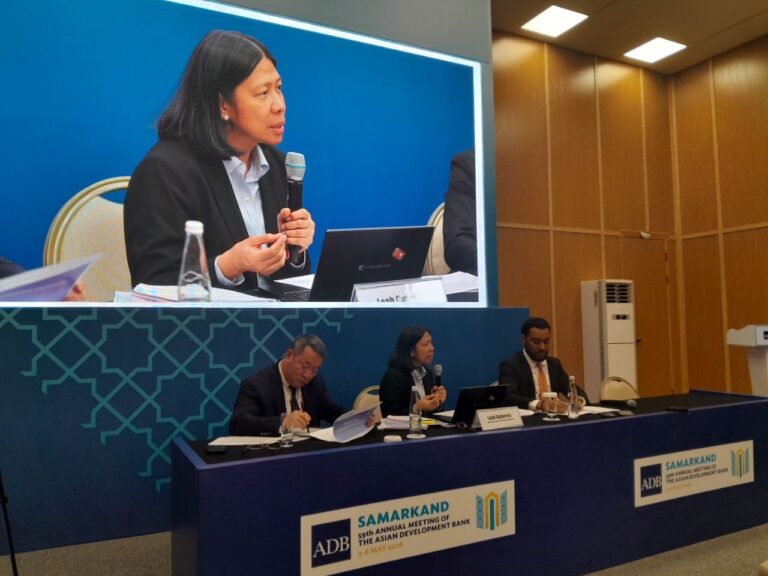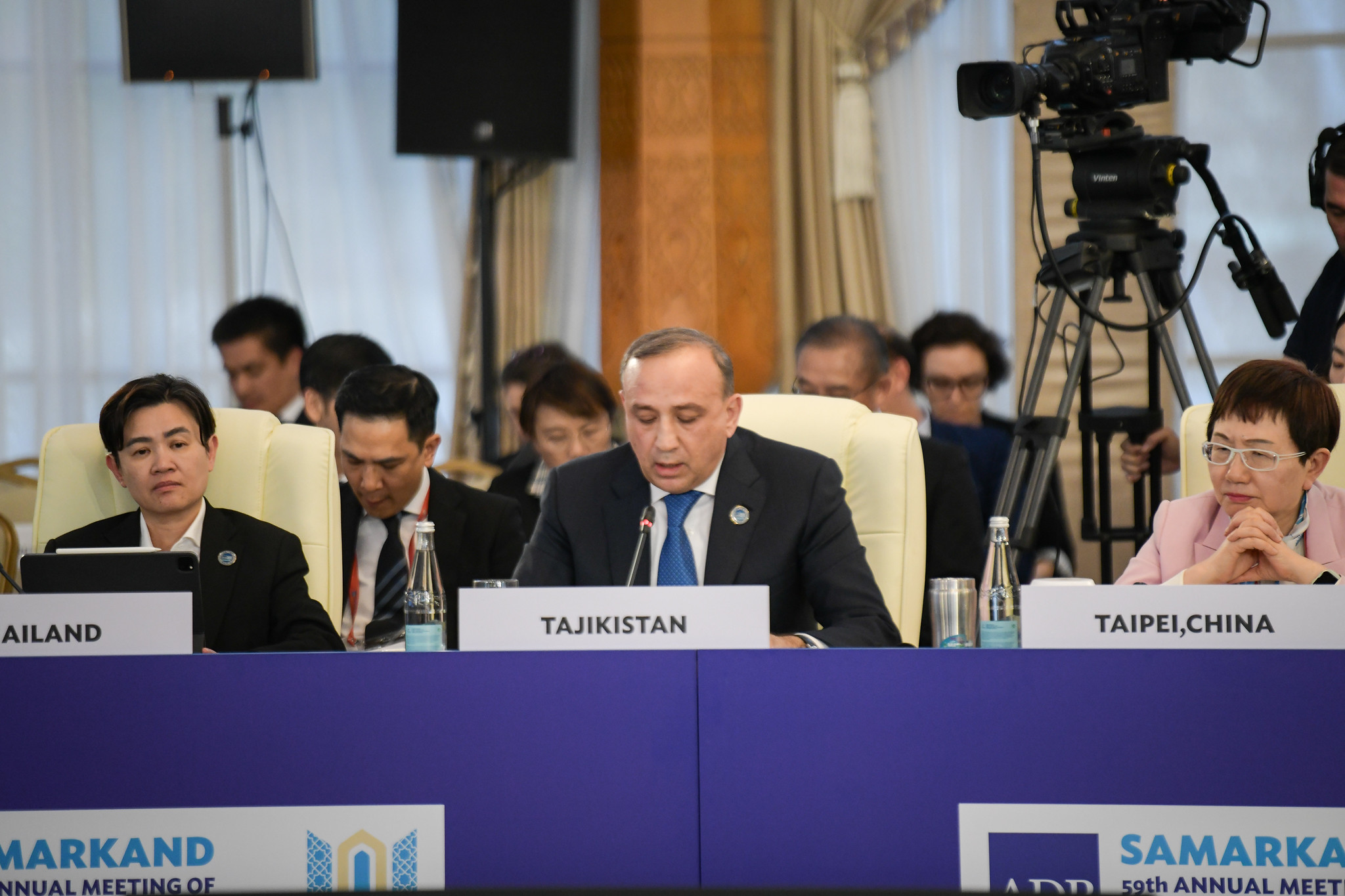
The Roghun hydroelectric power plant (HPP) project has been identified as a key element of the new partnership strategy between Tajikistan and the Asian Development Bank (ADB) for the years 2026-2030, Tajikistan’s First Deputy Prime Minister and country’s ADB Governor, Hokim Kholiqzoda announced while delivering a statement at the Governors’ Business Session during the 59th ADB Annual Meeting in Samarkand on May 4.
He, in particular, stated that the Bank’s new Country Partnership Strategy takes into account the main priorities of Tajikistan’s national development and is aligned with the country’s long-term goals up to 2030.
The authorities of Tajikistan also consider the project as an element of long-term regional energy integration in Central Asia.
Priorities of the new ADB strategy
According to Kholiqzoda, the ADB strategy for 2026-2030 covers a wide range of areas, including the development of energy, water resources, transport and logistics infrastructure, as well as support for the private sector.
The document pays particular attention to digital transformation, tourism development, climate change issues, and gender equality.
He emphasized that ADB remains one of Tajikistan’s key partners in implementing sustainable development programs and infrastructure projects.
Macroeconomic situation and reforms
Kholiqzoda noted that Tajikistan’s economy maintains resilience amid external shocks, global uncertainty, and changes in the external economic environment.
According to him, stable economic growth is supported by ongoing institutional and economic reforms aimed at improving the investment climate, strengthening the business environment, expanding export potential, and developing the labor market.
He also reminded that Tajikistan’s National Development Strategy for the period up to 2030 is focused on industrialization, attracting investments, increasing the production of high value-added goods, as well as enhancing the role of the private sector in the economy.
Regional agenda and external risks
Tajikistan continues to expand its participation in regional infrastructure projects, primarily in the energy and transport sectors, in cooperation with Central Asian states with the support of ADB, he noted.
At the same time, he pointed to the persistent external risks, including geopolitical tensions, the conflict in the Middle East, volatility in energy and financial markets, as well as disruptions in global supply chains.
According to him, these factors increase the need for coordination with international financial institutions to maintain macroeconomic stability and continue structural reforms.
Kholiqzoda stated that Tajikistan relies on continued ADB support in reducing the impact of external risks and strengthening the country’s economic resilience.
He confirmed the government’s commitment to further deepen cooperation with the Asian Development Bank within the framework of the new partnership stage.