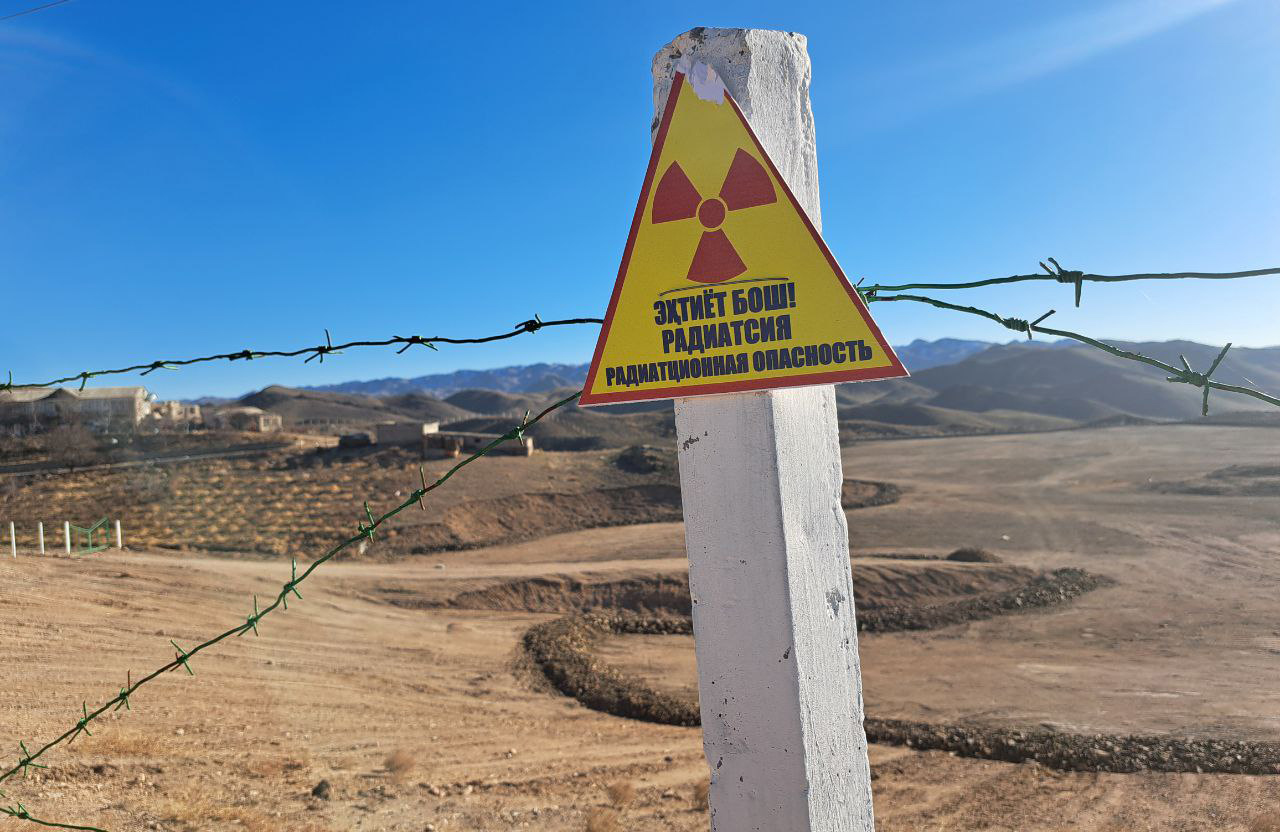
Almost every second cancer patient in Tajikistan lives in the Sughd province, where the main part of the country’s uranium legacy is concentrated. Many tailings storage facilities are located near populated areas.
However, no studies have been conducted in the country to understand whether the state of the environment, including the radiation background, affects the level of cancer diseases.
Amid climate change, which enhances the transfer of pollutants through water, soil, and dust, this issue is becoming increasingly relevant.
Tajikistan’s uranium legacy
The uranium industry in Tajikistan began to develop in the mid-1940s when the Soviet Union was actively creating its own atomic program. Uranium ore deposits were discovered in the north of the country, around which mines, processing plants, and entire industrial cities were built.
The center of this industry was the Leninabad Mining and Chemical Combine, located in Chkalovsk (now Buston). Uranium ore was delivered here not only from Tajikistan but also from other regions of the USSR.
After processing the ore, large volumes of waste, known as tailings, remained. These were stored in special facilities where radioactive materials accumulated over decades.
After the collapse of the Soviet Union, uranium mining in Tajikistan ceased, but the tailings storage facilities remained. Today, they are considered part of the so-called uranium legacy of Central Asia.
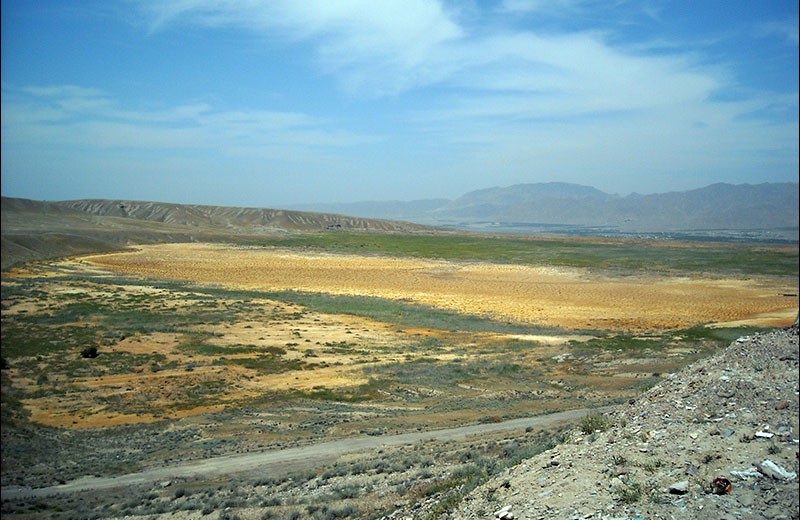
According to the Ministry of Industry and New Technologies of Tajikistan, from 1945 to 1993, more than 55 million tons of radioactive waste accumulated in the country at ten tailings storage facilities covering a total area of over 170 hectares. Most of the facilities are located in the Sughd province.
The largest one, the Degmay tailings storage facility, is located about ten kilometers from Khujand. It contains about 36 million tons of waste.
Tailings storage facilities and dumps are also located in the areas of Taboshar (now Istiqlol), Adrasman, Buston, and Ghafourov.
The problem is that many of the facilities are located near populated areas, agricultural lands, and water sources. During their construction, natural risks such as landslides, floods, and earthquakes were often not taken into account.
Reclamation work began only in recent years. The first major stage took place in Taboshar with the support of “Rosatom.” It was possible to reduce the volume of waste and decrease the contaminated area. However, this is only about 17.5% of the total volume.
According to experts, more than 100 million euros will be required to fully solve the problem.
How are risks generally assessed?
Uranium tailings storage facilities in Tajikistan have repeatedly become the subject of scientific research. However, no studies have yet been conducted in the country to directly study their impact on public health.
Such studies require time and significant financial resources, with the need to monitor the situation for years and have a reliable evidence base.
As explained by Raya Beyshenkulova, Candidate of Sciences in Medicine, Associate Professor at the Kyrgyz State Medical Academy named after Akhunbaev, the high cost of such studies is primarily due to their technical complexity.
In Kyrgyzstan, where the problem of tailings storage facilities is also relevant, a system for monitoring and assessing such risks has already been established.

According to Beyshenkulova, such systems allow not only to record the current situation but also to monitor changes and potential threats to public health.
Are tailings storage facilities linked to the rise in cancer?
Medical statistics show that the main burden on Tajikistan’s healthcare system today is caused by non-infectious diseases, accounting for about 77% of all deaths.
Heart and vascular diseases rank first, followed by cancer, diabetes, and respiratory diseases.
Among the most common cancers are breast cancer, followed by cervical cancer, lymphomas, skin cancer, and stomach cancer.
The regional oncology center in Khujand notes that statistics depend on the population’s healthcare-seeking behavior and do not always reflect the real picture. A more accurate assessment requires a unified patient database, which the country currently lacks.
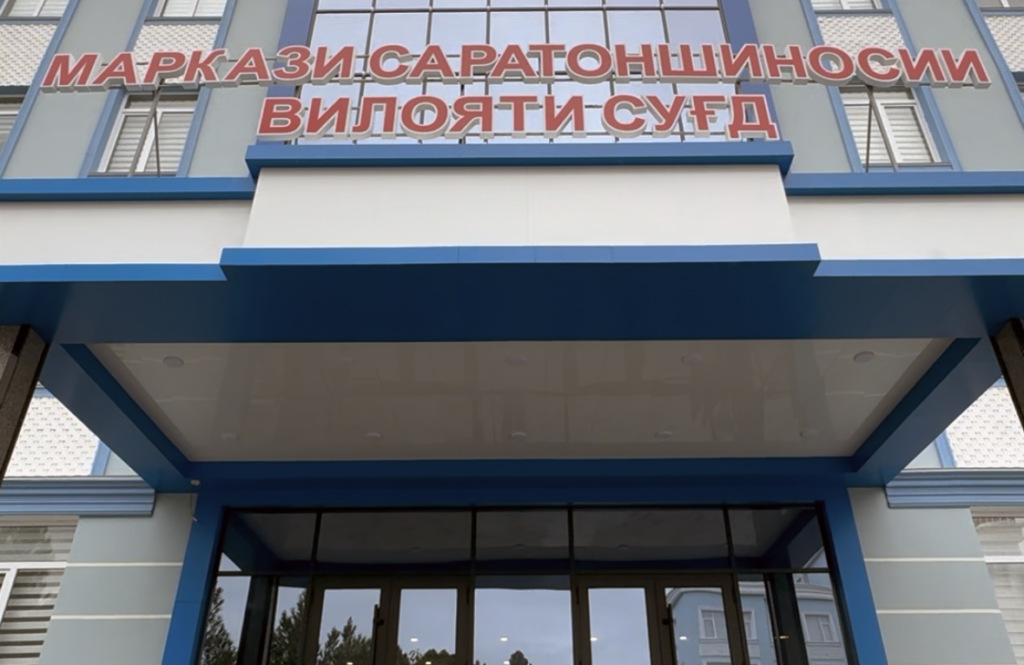
“The highest number of detected cases is in Khujand, followed by the Bobojon-Ghafourov district. But these figures largely depend on how actively people seek medical help. Additionally, some patients are treated abroad, which also affects the statistics,” explained center director Bakhtier Orifi.
According to him, there is currently no apparent link between tailings storage facilities and morbidity levels in Tajikistan.
An increased risk of cancer, he says, is usually associated with exposure to high doses of radiation, while the radiation background in these settlements is not considered critical.
He said that the increase in cancer is more often associated with other factors such as lifestyle, nutrition, infections, working conditions, and access to medical care.
According to him, the higher proportion of rural patients may be related to lifestyle. Tajikistan is an agrarian country, and many rural residents work outdoors.
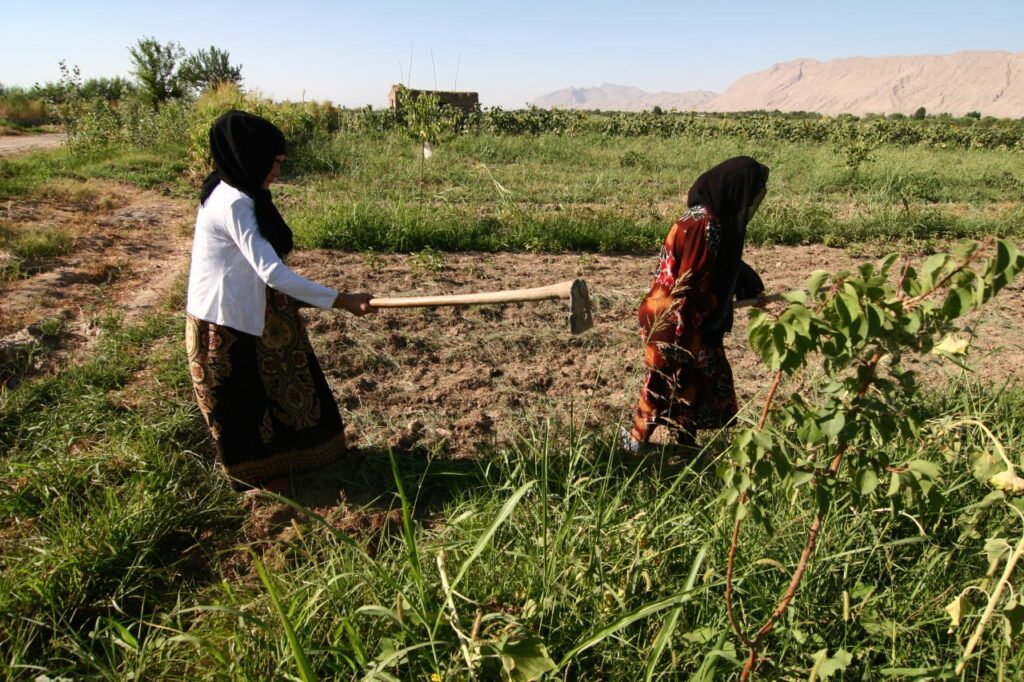
At the same time, as Raya Beyshenkulova explains, it is impossible to assess real risks without radiation-hygienic monitoring.
According to her, much depends on how pollution enters the body. Through the air, there are risks to the respiratory system and lung cancer. Through water, there is internal radiation exposure and effects on the kidneys.
Another pathway is through food. Contamination can enter the soil, then plants, and subsequently into milk and meat, accumulating in the human body.
Kyrgyzstan: where answers are already being sought
The situation in regions with a uranium legacy can be judged by the example of Kyrgyzstan.
One of the most studied cases is the town of Mailuu-Suu in the south of the country. After the mines were closed, 23 tailings storage facilities and 13 dumps remained, containing about 1.9 million cubic meters of radioactive waste. The area is considered dangerous also because it is located near a river and is prone to landslides and earthquakes.
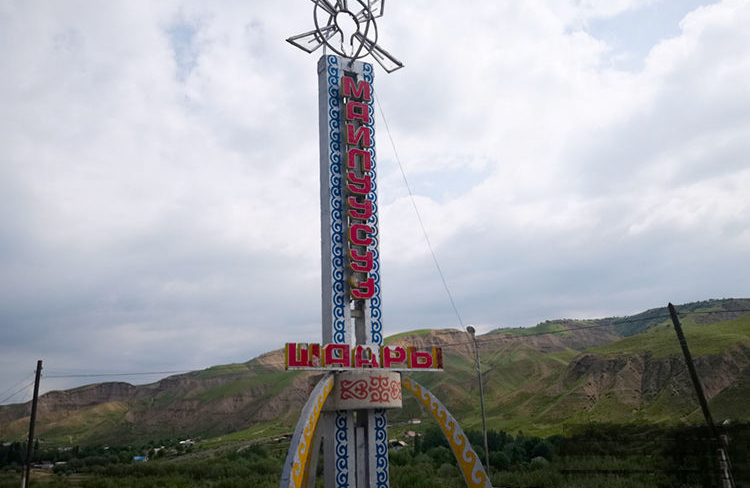
As Raya Beyshenkulova notes, in such conditions, it is especially important to monitor the state of the water.
In recent years, active reclamation work has been underway at the uranium sites in Mailuu-Suu, and according to experts, their complete completion is expected in the next two years.
Research has shown that in certain years, the level of cancer in Mailuu-Suu was one of the highest in the country.
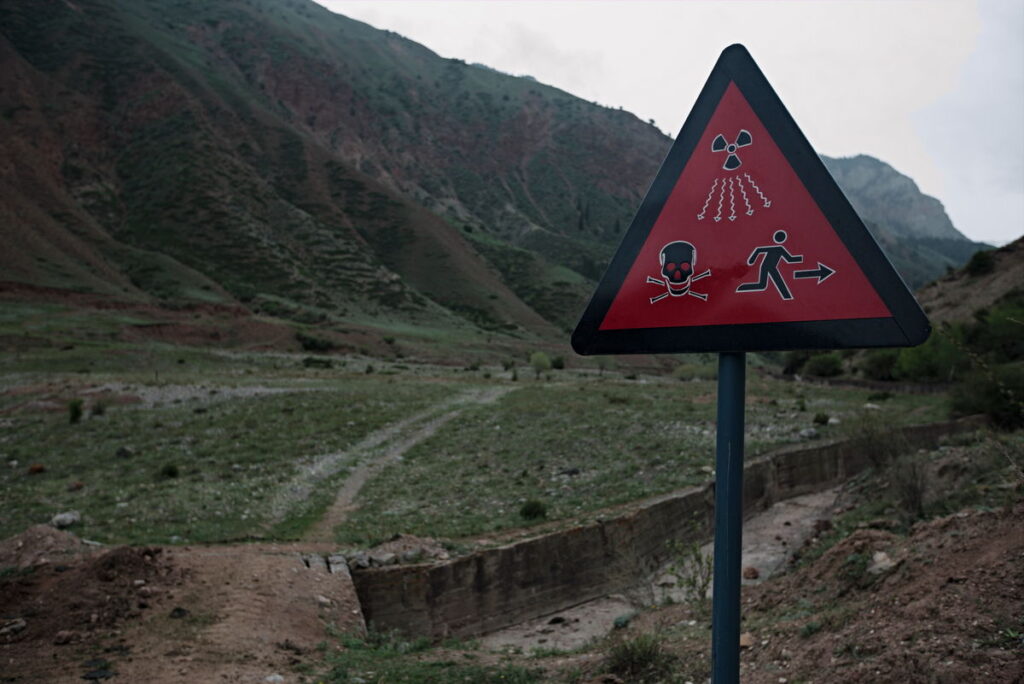
At the same time, scientists emphasize that proving a direct link between tailings storage facilities and specific diseases is extremely difficult. Nevertheless, such studies show that living near uranium waste for an extended period can be associated with additional health risks.
When nature amplifies risk
Even if today the impact of uranium tailings storage facilities on public health remains not fully studied, climate change may amplify existing risks.
International studies, including IAEA recommendations, show that the danger of such facilities is associated not only with the waste itself but also with how contamination spreads through water, soil, and air.
For example, intense rains and floods can erode protective layers and wash radionuclides and heavy metals into rivers and groundwater. In mountainous areas, this is especially relevant due to the risk of landslides.
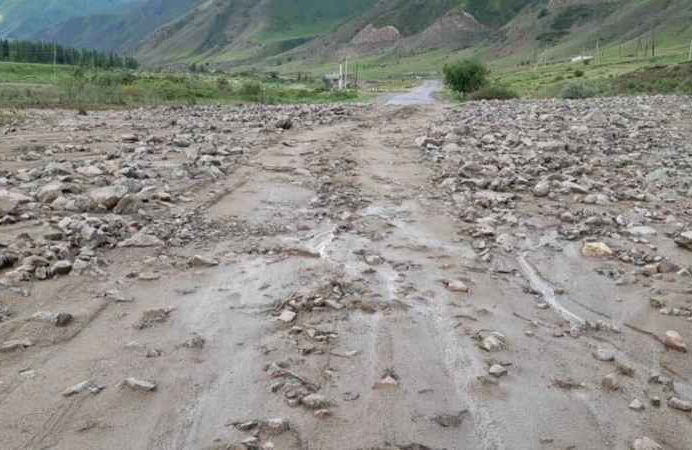
At the same time, during dry periods, the tailings can dry out, and contaminated particles can be lifted into the air and carried by the wind over significant distances.
Some uranium legacy sites in Tajikistan are initially located in areas prone to landslides, floods, and soil erosion. Such processes can contribute to the destruction of protective structures and the spread of pollutants.
The Ministry of Industry and New Technologies acknowledges that some sites remain particularly vulnerable. This refers to the dumps of the first queues, underground adits, and mines of Taboshar, as well as the Degmay tailings storage facility.
As IAEA studies show, even with engineering protection, much depends on how such sites behave in the real environment – under the influence of water, wind, and other natural factors.