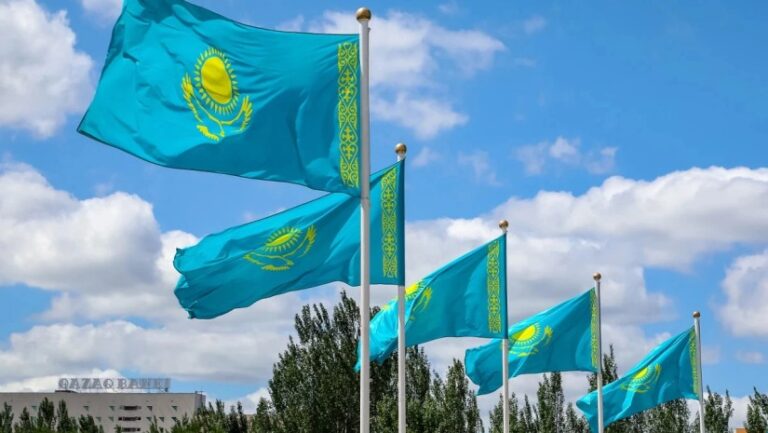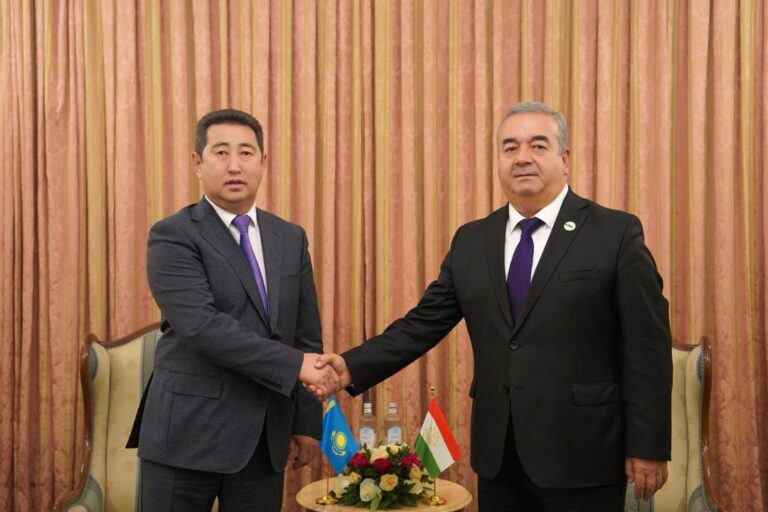
On May 16, a ceremony was held in Kazakhstan’s Turkestan region to launch a project for artificial precipitation enhancement, and starting May 17, Kazakhstan began the full-scale application of artificial rain technologies. This was reported by the Ministry of Artificial Intelligence and Digital Development of Kazakhstan (MAIDD).
The project is being implemented in the Turkestan region and aims to increase the filling of reservoirs and provide water to agricultural lands spanning more than 900 thousand hectares.
The potential economic effect is reportedly estimated by the authorities at up to 35 billion tenge annually. Kazakhstan positions itself as the first Central Asian country to transition to the practical use of cloud seeding technologies, Fergana news agency writes.
According to official information, the technology of local impact with a radius of about five kilometers is used: reagents based on salts, used in international weather modification practices, are sprayed into the clouds from airplanes. The agency emphasizes that the technology is not intended to form large-scale weather processes and is primarily designed for areas with water shortages.
The project is being implemented in collaboration with the National Center of Meteorology of the UAE, which has been conducting hundreds of cloud seeding operations annually since the late 1980s.
The scientific community and international organizations generally recognize that cloud seeding can have a local effect, but they emphasize the high degree of uncertainty and the need for strict control.
The World Meteorological Organization (WMO) in its updated position on weather modification notes that it does not take a stance for or against such technologies but insists on scientific verification of project effectiveness, data transparency, and assessment of potential risks. The organization also emphasizes that weather modification should not be considered a simple solution to climate issues.
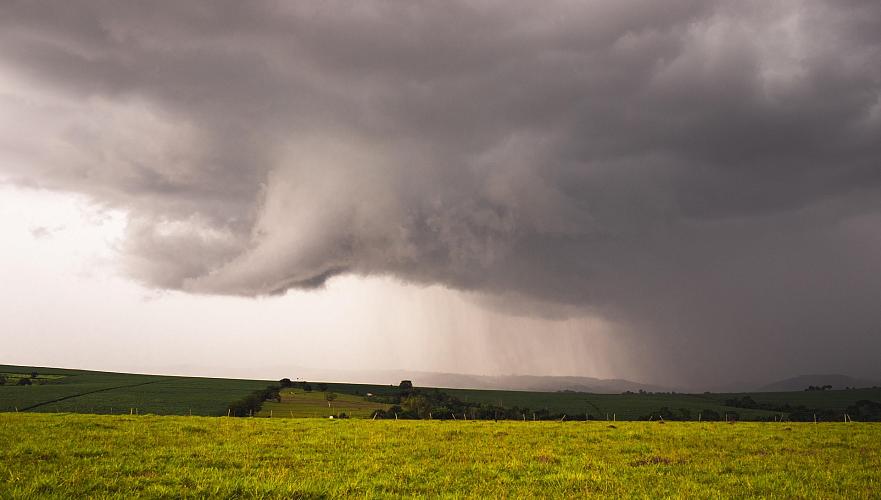
According to WMO estimates, intervention in atmospheric processes can have a limited effect in terms of scale and time, while the consequences for the water cycle, precipitation distribution, and cloudiness in neighboring regions are not fully studied. This is why international experts speak about the need for long-term observations and independent monitoring.
However, ecologists and water policy experts in the region warn of possible side effects—from disrupting the fragile balance of desert ecosystems to potential impacts on soils, plants, and health with prolonged accumulation of reagents, even if they are salt compounds.
On the international level, geopolitical risks of such technologies are also discussed. Some researchers indicate that artificial rain can redistribute existing moisture, enhancing precipitation in one area at the expense of other territories. In the transboundary water basins of Central Asia, this could potentially lead to political disputes if neighboring countries feel that their “rain is being taken away.”
Against this backdrop, the WMO and international experts emphasize the need for transparency, data exchange between countries, and regional consultations—especially in regions with complex water balances, including the basins of the Syr Darya and Amu Darya rivers.
At present, there are no direct statements specifically concerning the Kazakh project.
Kazakh authorities, commenting on public concerns about climate interventions and talks of “acid rain,” emphasize that the substances used are not aggressive chemicals.
According to the Ministry of Ecology, the reagents disperse quickly and are not capable of causing large-scale chemical pollution of atmospheric precipitation.