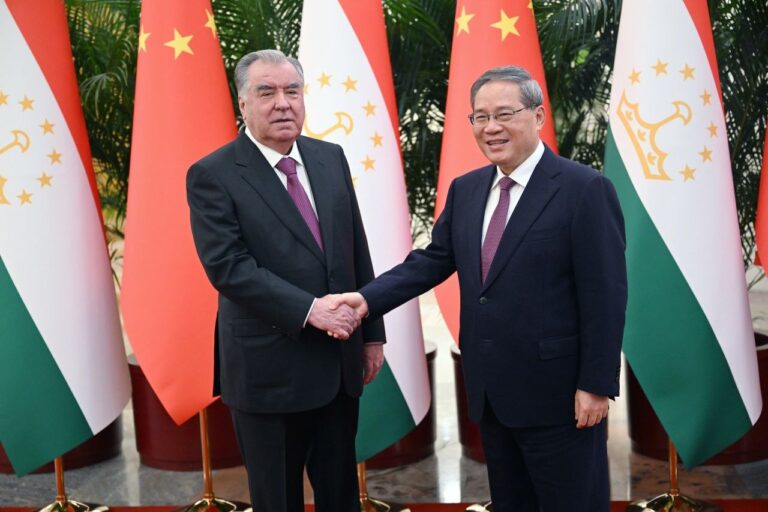
Chinese Ambassador to Tajikistan, Guo Zhijun, said a “new chapter of comprehensive strategic cooperation” has begun in relations between China and Tajikistan following President Emomali Rahmon’s recent state visit to China.
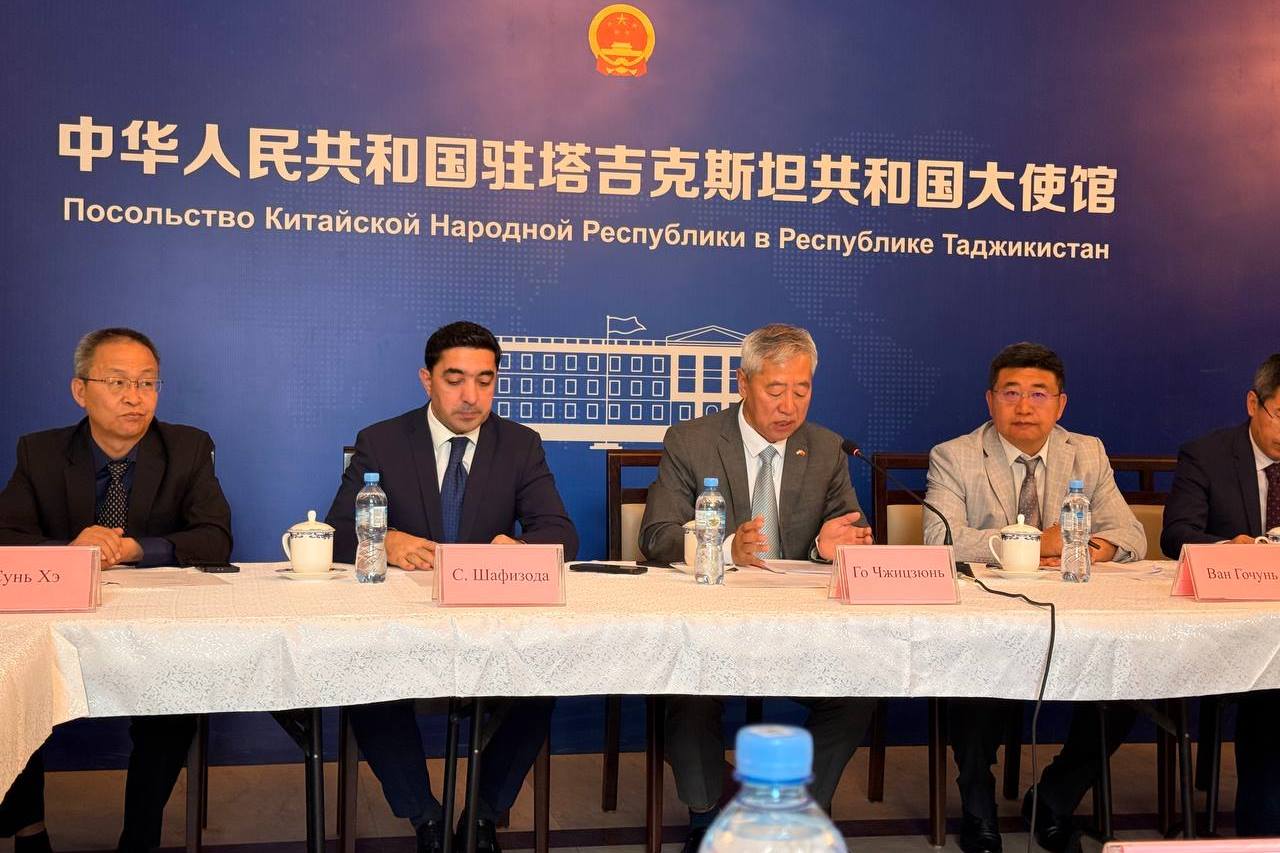
Speaking at a press conference at the Chinese Embassy in Dushanbe on May 20, the ambassador summarized the results of Rahmon’s May 11–14 visit, which took place at the invitation of Chinese President Xi Jinping.
The event was attended by representatives of Tajik and foreign media, as well as Saidjon Shafizoda, acting deputy head of the Information and Press Department of Tajikistan’s Foreign Ministry.
According to Guo Zhijun, the talks between the two leaders focused on strengthening political trust, expanding cooperation under the Belt and Road Initiative, boosting trade and investment, enhancing humanitarian exchanges, deepening security cooperation, and coordinating positions on international platforms.
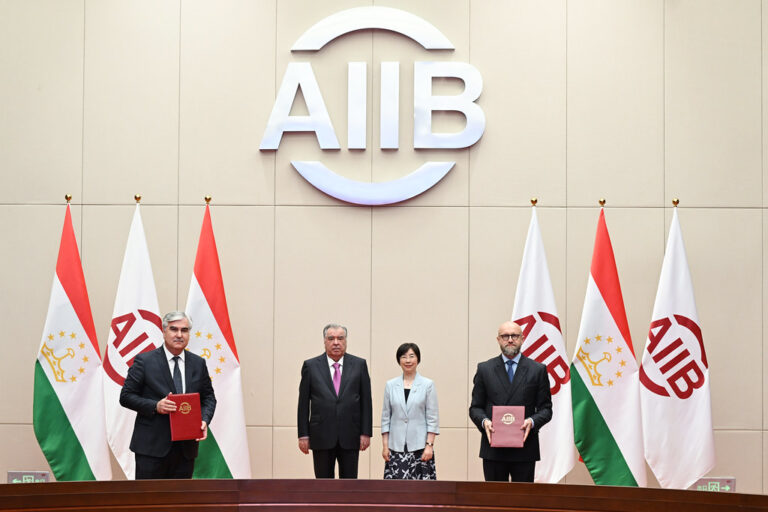
The ambassador noted that 31 bilateral agreements and cooperation documents were signed during the visit, including the Treaty of Eternal Good-Neighborliness, Friendship and Cooperation and a Joint Statement on Deepening the Comprehensive Strategic Partnership in a New Era.
“The signing of these documents became an important historical milestone in the development of relations between the two countries,” Guo Zhijun said.
He emphasized that China’s Belt and Road Initiative is increasingly aligned with Tajikistan’s National Development Strategy through 2030, adding that bilateral cooperation is rapidly expanding across multiple sectors.
According to the diplomat, Tajikistan and China have become “a model of mutually beneficial cooperation between neighboring states.” He highlighted new areas of cooperation such as the digital economy, artificial intelligence, green energy, high technology, agriculture, education, culture, and media.
Guo Zhijun also pointed to the economic outcomes of the visit. A Tajik-Chinese digital business forum held in Beijing reportedly brought together more than 120 Chinese technology companies and 70 Tajik enterprises. Among the Chinese firms participating were TikTok, BYD, and Huawei. More than 50 additional cooperation agreements were signed during business meetings and negotiations.
The ambassador said China remained Tajikistan’s largest trading partner and leading source of foreign investment in 2025. The bilateral trade reached $790 million in the first quarter of this year, an increase of more than 50% compared to the same period in 2025.
Responding to a question from Asia-Plus about prospects for establishing joint ventures in Tajikistan with major Chinese companies, Guo Zhijun spoke about Emomali Rahmon’s visit to Chongqing, where the Tajik president toured the SERES super factory and the Zongshen industrial park. Rahmon also tested the AITO Wenjie M9 electric vehicle and expressed interest in expanding industrial and investment cooperation with Chinese manufacturers, the ambassador said.
Educational and humanitarian cooperation was another major topic of discussion. During the visit, Rahmon visited Peking University, where he was awarded the title of honorary professor.
Guo Zhijun noted that the Tajik president emphasized the importance of cooperation in education, science, and personnel training. Around 6,000 Tajik students are currently studying at Chinese universities, and Tajikistan is ready to open a third Confucius Institute in Danghara, according to the diplomat.
Concluding the press conference, Guo Zhijun expressed confidence that the agreements reached during Rahmon’s state visit would provide fresh momentum for bilateral cooperation and create new opportunities for joint projects in various sectors.