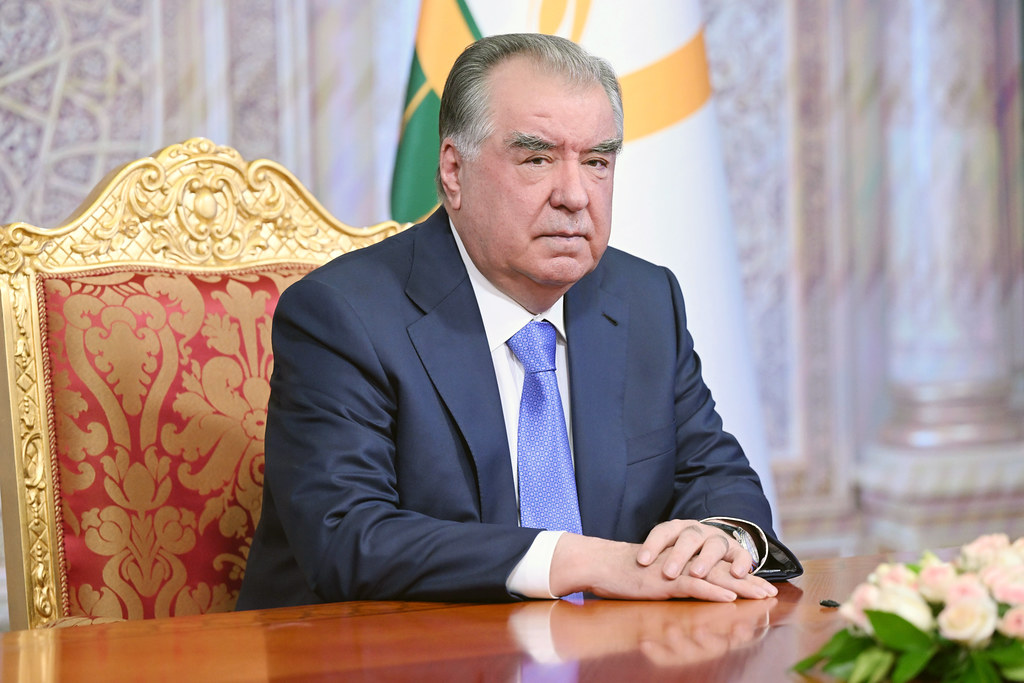
The President of Tajikistan, Emomali Rahmon, congratulated Tajikistanis on the occasion of Eid al-Adha (Idi Qurbon) and urged them to celebrate it without excessive expenses and ostentatious luxury, according to the president’s official website.
In his congratulatory message, the head of state noted that Idi Qurbon is one of the important holidays in Islam and symbolizes the strengthening of friendship, mutual respect, support for those in need, care for parents and elders, as well as the performance of good deeds.
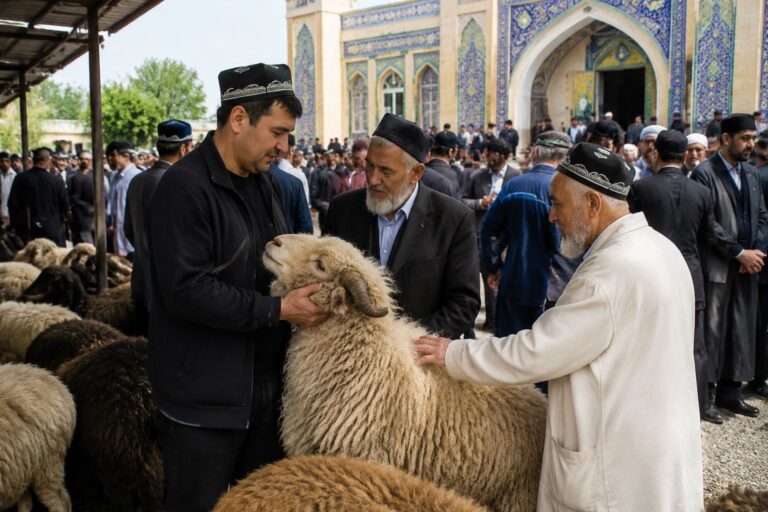
Rahmon reminded that “the sacrifice can be performed during three days, so there is no need to conduct it on one day with large gatherings and disorder.” According to him, the slaughtering of livestock should take place in designated areas and in compliance with sanitary standards.
The President also urged citizens to comply with the law on regulating traditions, celebrations, and rituals, to avoid extravagance, and to allocate saved funds for children’s education, improving family living conditions, and community betterment.
“Idi Qurbon is not a wedding but a religious rite that should be conducted based on moral values and with adherence to principles of frugality,” the congratulatory message states.
This year in Tajikistan, the holiday Idi Qurbon (Eid al-Adha, Kurban Bayram) will be celebrated on May 27, which is why the residents of the country will have a day off on this date.
On the day of the holiday, early in the morning, a festive prayer is held in all the congregational mosques, and clergy members in their sermons urge people to peace and harmony, respect for elders, and support for those in need. After the mosque prayer, people visit cemeteries to pray for their deceased.
Those with the means and property, according to Sharia, sacrifice livestock (sheep, cows, or camels). The meat of the sacrificial animal is divided into three parts: one part for the family, the second part for relatives, and the third is necessarily given to the needy and orphans.
One of the important aspects of this holiday is helping the less fortunate. During these days, Muslims help those in need not only with the meat of the sacrificial animal but also with clothing, food, or cash.