DUSHANBE, June 23, 2011, Asia-Plus DUSHANBE, June 22, 2011 – While economic reforms and high remittances helped Tajikistan to recover from a severe transition-related recession and civil conflict of the 1990s, future growth will require much bolder economic reforms to create an economic foundation for a diversified, inclusive and sustainable growth path, according to the World Bank’s latest Country Economic Memorandum (CEM) on Tajikistan released on June 22.
The World Bank Country Office in Tajikistan says Department for International Development (DFID) of the UK co-financed the eight thematic background studies for this report.
The report entitled “Tajikistan’s Quest for Growth: Stimulating Private Investment” takes stock of the country’s recent economic growth, analyses the key constraints to sustained future growth, and recommends how the authorities can focus their efforts to progressively transform the economy from one that is dependent on remittances and public-sector investment to one that is economically diversified and led by the private sector.
Tajikistan grew strongly during 2000–08, with GDP growth averaging nearly 8 percent a year (although per capita GDP, despite doubling, is still below pre-transition levels). People living in poverty fell sharply, from 72 percent in 2003 to 47 percent in 2009, with more than a million people moving out of poverty; during the same period, the share of the extremely poor population fell from 42 percent to 17 percent. Key social indicators (for example, primary and secondary school enrollment rates, infant mortality, maternal mortality, and child malnutrition) also improved.
Following a severe downturn due to the food and oil price shocks of 2007 and the global economic crisis of 2008–09, Tajikistan is recovering. Real GDP grew by 6.5 percent in 2010, due to higher output in power, construction, and manufacturing, and an increase in remittances and exports. Cotton and aluminum prices have recovered since the crisis and non-cotton agricultural exports have risen.
“With a less favorable external environment than in the past, the government will need to accelerate reforms to meet its ambitious growth target,” said Yvonne Tsikata, World Bank Economic Director for Europe and Central Asia, who is in Tajikistan on a three-day visit to discuss the reform program with Government counterparts and visit some project sites.
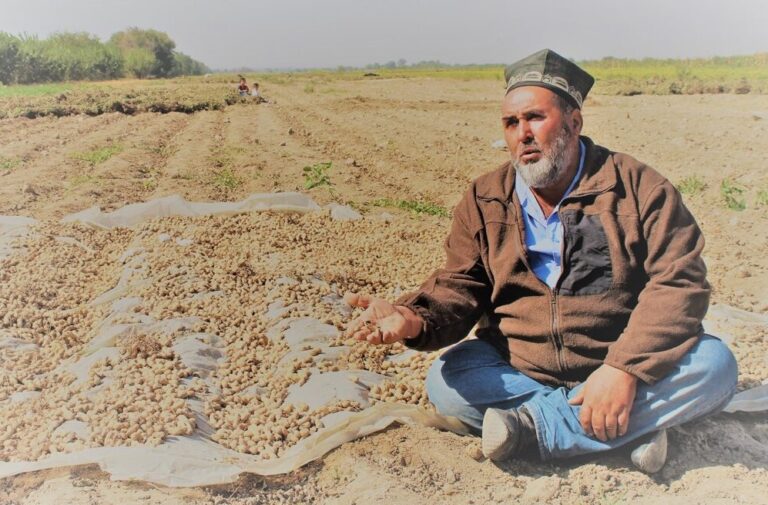
Further, the report finds that migration and remittance inflows are expected to grow more slowly, given substantially lower forecast medium-term growth rates for Russia. The main policy priority is to encourage greater use of remittances for domestic investment, while keeping government intervention to a minimum. Similarly, efforts to improve productivity in cotton production would be helpful, even if growth prospects for cotton exports (by volume) are limited. Recent growth in non-cotton agricultural exports suggests that reform and investment have considerable room to tap the potential for future growth in agriculture and in agro-processing. If appropriate conditions for implementing hydropower projects can be created, hydropower exports could be a new medium-term growth driver.
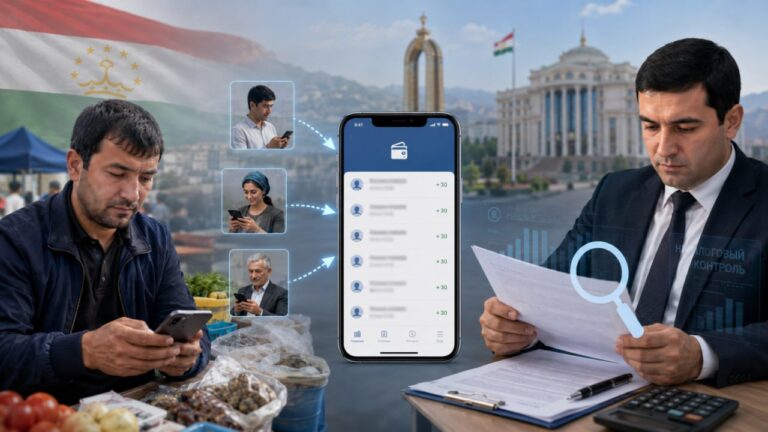
“Tajikistan’s biggest challenge in the coming years will be lifting its low rates of private investment, and this requires a better investment climate,” says Sudharshan Canagarajah, World Bank lead economist and lead author of the report. “Existing regulations for starting a business are still too restrictive and past arbitrary government actions have discouraged investors. In addition, poor reliability of electricity supply, difficult tax administration processes, and insufficient storage facilities, among other hindrances, reduce private investment profitability even in the cities.”
The study proposes a growth strategy for Tajikistan aimed at significantly increasing private investment and better integrating the country with the global economy.
Recommendations focus on four broad areas: 1) stimulate private investment, especially in agriculture; ensure macroeconomic stability and sound public financial management; 3) maintain remittance inflows at current or higher levels; and 3) strengthen the electricity sector for reliable domestic supply and larger hydropower exports.
“The Country Economic Memorandum reflects the strong partnership of the Bank and the Government in identifying constraints to growth and actions to address them,” says Marsha Olive, World Bank Country Manager for Tajikistan. “We will continue to collaborate closely with the Government in implementing the reforms required for Tajikistan’s future growth and development.”