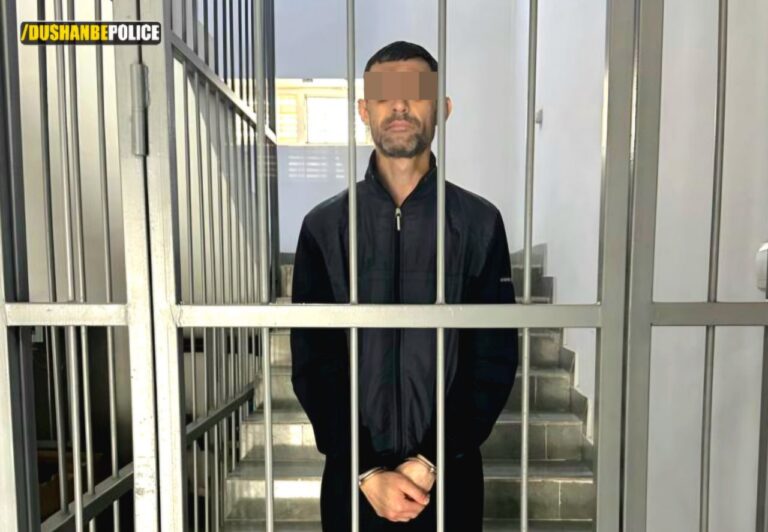
Kulob prosecutor’s office issues warrant on arrest of shipping clerk with “Kulobgaz” enterprise

KULOB, February 15, Asia-Plus – Prosecutor’s office in Kulob has issued a warrant for arrest of Vali Ghulomov, a shipping clerk with open joint-stock company (OJSC) “Kulobgaz” (Kulob gas company), who faces charge of embezzlement of state funds. Kulob prosecutor Mirzo Aminov has told Asia-Plus that Ghulomov is charged with embezzlement (Article 245, Part 2) […]

Turko Dikayev

KULOB, February 15, Asia-Plus – Prosecutor’s office in Kulob has issued a warrant for arrest of Vali Ghulomov, a shipping clerk with open joint-stock company (OJSC) “Kulobgaz” (Kulob gas company), who faces charge of embezzlement of state funds.

Kulob prosecutor Mirzo Aminov has told Asia-Plus that Ghulomov is charged with embezzlement (Article 245, Part 2) and negligence (Article 322, Part 1).  

“In 2004, Vali Ghulomov obtained by proxy from “Dushanbegaz” supplies for a total amount of 38,293 Somonis,” said Aminov, “He pushed them on the black market and misappropriated the money.”

Join us on social media!

Article translations:

Related Article

Tenisi
Оби зулол
Оби зулол

Most Read

Коммерсбонк Точикистон

Recent Articles

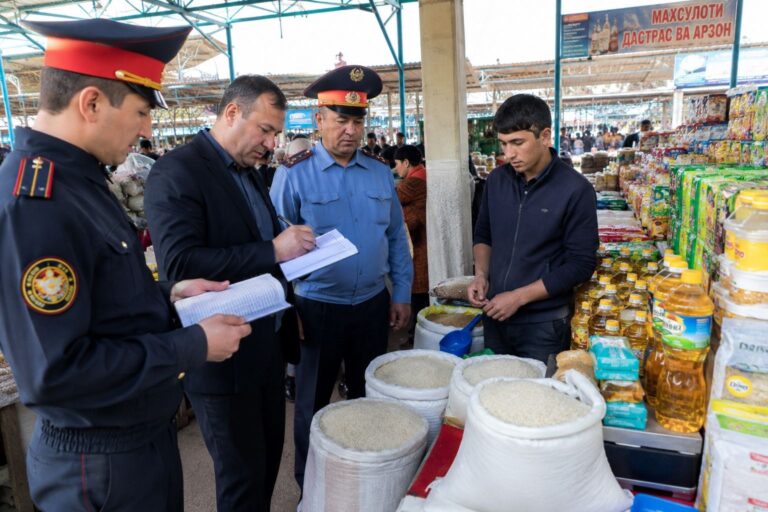
In Dushanbe, 28 sellers fined for unjustified price increases

On the eve of Idi Qurbon, inspections are being conducted at the capital's retail outlets.

Software Updates: Your First Line of Defense Against Cyber ​​Threats

In today's digital age, the importance of timely software...

The number of migrants from Central Asia, including Tajikistan, has increased in Poland — expert

Many migrants from Central Asian countries are increasingly reluctant to work in Russia and are exploring new destinations.

Tajikistan to transfer rural water utilities to a unified digital platform

The task is to integrate all 500 drinking water supply organizations in the country into one system.

Dushanbe authorities tighten price controls ahead of the Eid al-Adha holiday

Briefings and explanatory discussions are being conducted with vendors in the capital's markets, and violators face administrative protocols.