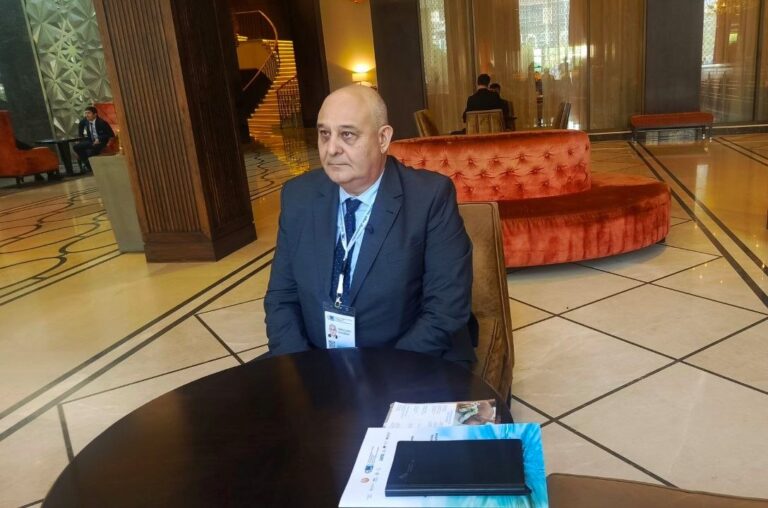
DUSHANBE, June 6, Asia-Plus — Tajikistan annually loses some 50,000 hectares of arable lands because of erosion, Mr. Saulius Smalys, Environmental Officers at the OSCE Center in Dushanbe, announced at a meeting with journalists in Dushanbe yesterday.
According tom, some 50 percent of arable lands in Tajikistan have become useless. Mr. Smalys also noted with present rate of growth in population (2 percent per year) this problem might acquire global scales in 15 years.
The Environmental Officer of the OSCE Center in Dushanbe named low living standards and lack of funds for purchasing fuel as one of the main factors contributing to deterioration of arable lands in the republic. “People are obliged to cut down trees,” Mr. Smalys said. Besides, poor state of irrigation canals also leads to erosion, according to him.
“Erosion of land brings to other problems, migration of rural population in particular,” Saulius Smalys said, noting that labor migration is frequently caused by poor state of lands and people are obliged to leave for other places seeking better employment opportunities. “International organizations have not yet assessed this problem,” Mr. Smalys stressed.
“I sound the alarm in order that existence of ecological migrants should be recognized and authorities and international organizations should pay attention to them, especially to those who do not receive any aid,” the Environmental Officer of the OSCE Center in Dushanbe stressed.
Besides, according to Mr. Smalys, resettlement of residents of one region of Tajikistan to another one has been organized not quite correct. People who had previously been engaged only in stock-raising were moved to areas, where farming is developed, and as a result they cannot adapt themselves to this life. Since they do not have enough experience in cultivating land they may damage it, according to him.
As a good example of bringing the situation back to normal Mr. Smalys termed a project for new forest plantations in Tajikistan drafted by the OSCE. A total cost of this project is more than US$3 million.