Issues of providing sustainable agricultural growth discussed in Tajik capital

DUSHANBE, May 31, Asia-Plus – A two-day session of the Consultative Group on International Agricultural Research (CGIAR) concluded in Dushanbe on May 30.   According to Tajikistan’s Academy of Agricultural Sciences, the session participants included representatives of agriculture institutes from 30 countries, heads of international research centers, as well s representatives of international programs, specialists in […]

Malika Rakhmanova

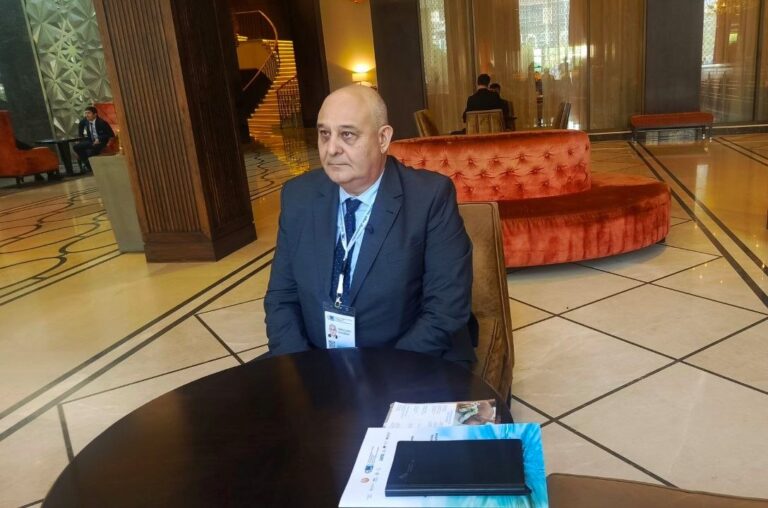
DUSHANBE, May 31, Asia-Plus – A two-day session of the Consultative Group on International Agricultural Research (CGIAR) concluded in Dushanbe on May 30.  

According to Tajikistan’s Academy of Agricultural Sciences, the session participants included representatives of agriculture institutes from 30 countries, heads of international research centers, as well s representatives of international programs, specialists in agriculture and farmers. 

The meeting staged by Tajik Academy of Agricultural Sciences and the International Center for Agricultural research in the Dry Areas (ICARDA) discussed the results of work carried out by agriculture institutes in the Central Asian and trans-Caucasian states as well as perspectives of their development and plans.   

Established in 1977, ICARDA) is one of the 15 centers strategically located all over the world and supported by the Consultative Group on International Agricultural Research (CGIAR).  With its main research station and offices based in Aleppo, Syria, ICARDA works through a network of partnerships with national, regional and international institutions, universities, non-governmental organizations and ministries in the developing world; and with advanced research institutes in industrialized countries.

The Consultative Group on International Agricultural Research (CGIAR), established in 1971, is a strategic partnership of countries, international and regional organizations and private foundations supporting the work of 15 international Centers. In collaboration with national agricultural research systems, civil society and the private sector, the CGIAR fosters sustainable agricultural growth through high-quality science aimed at benefiting the poor through stronger food security, better human nutrition and health, higher incomes and improved management of natural resources.
Article translations:

Related Articles

Оби зулол

Most Read

Join us on social media!

Aura

Recent Articles

Against the backdrop of bombings of Iran, Tajik-Iranian bilateral trade decreased by almost 10%

The reduction in exports amidst the growth in imports has exacerbated the trade imbalance between Tajikistan and Iran.

Tokayev opposed the use of any weapons in the Caspian Sea

According to him, this is necessary for the preservation of the Caspian ecosystem and the maintenance of regional stability.

Emomali Rahmon proposes the creation of an interstate energy commission for Central Asia

What did the President of Tajikistan say to the leaders of the founding states of the International Fund for Saving the Aral Sea?

Aluminum prices hit record highs. How can Tajikistan take advantage of rising prices?

The republic intends to increase the production and export of this metal.

Varesh Airlines resumes flights between Mashhad and Dushanbe amid ceasefire

The first flight is scheduled to take place this week and will be operated by Varesh Airlines.

Emomali Rahmon: “Mountain ecosystems of Tajikistan play a key role in the sustainable development of the region”

The President of the Republic of Tajikistan spoke at the Regional Environmental Summit taking place in Astana.

Tajikistan’s economy grew by 8% in the first quarter of 2026

The main drivers remain agriculture, industry, and construction.

Tajikistan to be represented by ten athletes at the 2026 Asian Beach Games

The games will take place from April 22 to 30 in the Chinese resort city of Sanya.

Protection of depositors’ interests is our concern, – Deposit and Savings Insurance Fund of Tajikistan

The main task of the Fund is to protect the interests of depositors and strengthen public confidence in the country's banking system.