DUSHANBE, February 19, Asia-Plus – The Flash Appeal for Tajikistan was presented in Dushanbe yesterday.
During the meeting, it was noted that the United Nations appealed today, on behalf of the Government of Tajikistan, for nearly $25.1 million to meet urgent humanitarian needs arising from the most severe winter in 25 years and to avoid foreseeable life-threatening situations during spring and early summer.
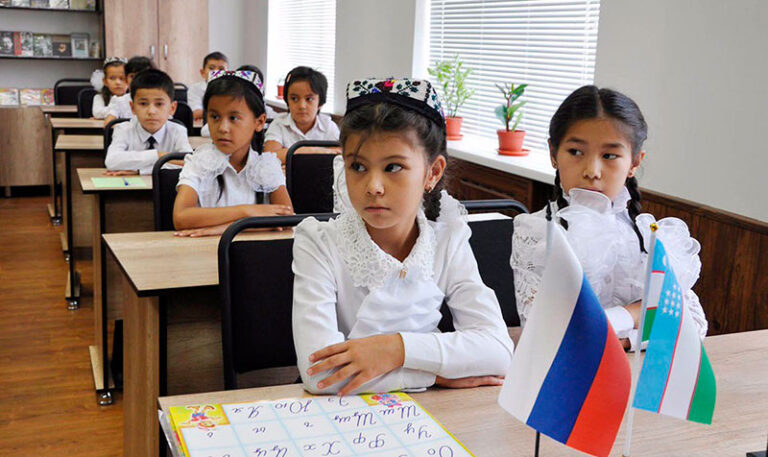
As a result of the atypical weather, hydroelectric power stations are barely producing any electricity and the country’s main source of energy has been compromised, leading to a severe disruption of heating, water supplies and basic social services. Urban areas have been especially affected; hospitals, orphanages and schools are now relying heavily on generators, which cannot produce sufficient power for heating and other essential services.
Earlier this year, the Government of Tajikistan outlined an action plan to avert a more extreme power shortage, but it is still estimated that the country’s main source of power will be operating at 40 percent capacity until spring.
“Such a rapid loss of power in winter on this scale is unprecedented. In the capital city, residents only have electricity for 10 hours per day, leaving them without heat and water for the majority of the time,” said Michael Jones, United Nations Resident Coordinator for Tajikistan.
The economic and social shocks, as a result of the current cold weather conditions and energy crisis, have worsened an already precarious food-security situation, especially in the rural areas.
Humanitarian agencies report that more than a half a million people may face food shortages; at least 260,000 people are in need of immediate food assistance. Moreover, the government reports that up to 2 million people may require food assistance through the end of the winter if limited food and fuel supplies in rural areas are not replenished.
The Flash Appeal for Tajikistan aims to enable humanitarian agencies to ensure adequate food, water, fuel and electrical power for heat, essential health care and other basic commodities during this critical period. The Appeal also includes provisions for immediate efforts to avert a life-threatening situation in the spring by reinforcing in-country capacity to warn of and prepare for floods and landslides, and provide critical shelter and livelihoods to communities, if these events do occur.
“Although we are all waiting for this cold spell to end, the spring will bring its own set of hazards. Since there has been an unusually heavy snowfall, it is likely that there will be increased flooding and landslides as it melts,” said Mr. Jones. “We are going to need a great deal of support from the international community if we are to meet the needs of the Tajik people now and over the coming months,” he added.