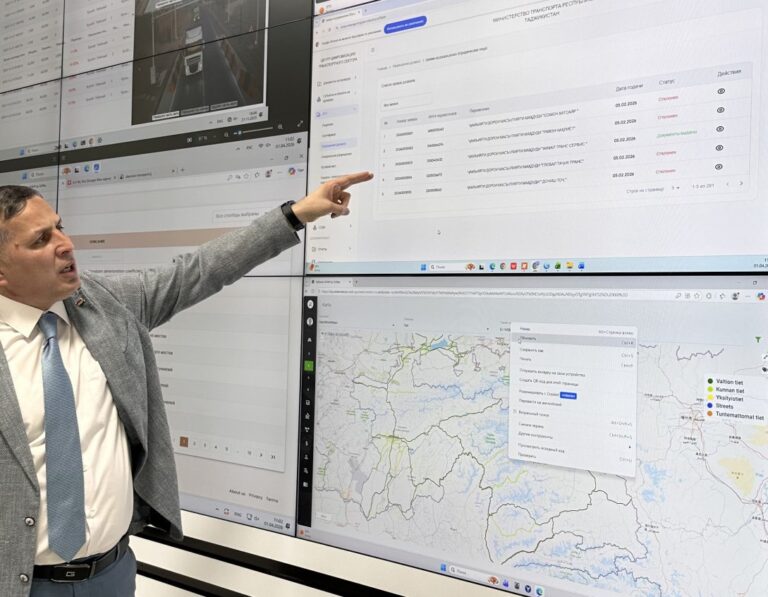
DUSHANBE, November 5, 2008, Asia-Plus — An official presentation of the United States Agency for International Development (USAID) Land Reform and Market Development Project II (LRMDP II) was held in Dushanbe on November 4.
According to the USAID Dushanbe Office, this new project follows in the footsteps of the USAID Land Reform and Market Development Project (LRMDP), which worked from September 30, 2005 until October 31, 2008.
During its three years of activity, LRMDP supported efforts by the Government of Tajikistan and Parliament to reform land legislation and create opportunities for economic growth in the agricultural sector. In January 2008 amendments to the Land Code were signed into law modernizing land relations by improving the security of land use rights, facilitating the creation of a market in land use rights, and creating the conditions for a mortgage market to develop.
LRMDP also assisted farmers in Tajikistan to learn more about their land rights and obligations. A media program provided information in weekly television and radio broadcasts, and project-supported legal aid centers conducted on-site trainings for farmers in the fields. The project and its local partners also advocated for farmers experiencing legal problems by providing legal consultations, mediating disputes on behalf of farmers, and representing them in court.
LRMDP II will now build on and continue the work of its predecessor project. The project will support the Government of Tajikistan and the Parliament to carry out further reforms, including the creation of regulations for the conveyance of land use rights, the establishment of a unified registration system, and the implementation of a new system of land valuation.
It will also continue to support rural citizens, whom it will train on changes to land rights and responsibilities. Media outreach will be carried out through weekly television and radio broadcasts, and legal aid centers will advocate on behalf of farmers in resolving legal issues related to land. LRMDP II will focus on increasing the sustainability of these legal aid centers this year through collaboration with the Swiss Agency for Development and Cooperation (SDC) on a project that will strengthen the centers financially and technically through the establishment of an association of legal aid centers.
LRMDP II will work until September 2009.