DUSHANBE, November 18, 2007, Asia-Plus — The 16th four-day session of the UN Special Program for the Economies of Central Asia (SPECA) is opening in Almaty, Kazakhstan today.
According to the Tajik MFA, a meeting of the Project Working Group SPECA (PWG-Energy) on Rational and Efficient Use of Energy and Water Resources of Central Asia and practical training session on power efficiency in Central Asia will be held on sidelines of the session.
The Project Working Group will review implementation of the strategy of cooperation in promoting rational and efficient use of water and energy resources in Central Asia. The meeting participants will also discuss the review of appropriate decisions made by the SPECA Governing Council and safety of dams in the Central Asian region.
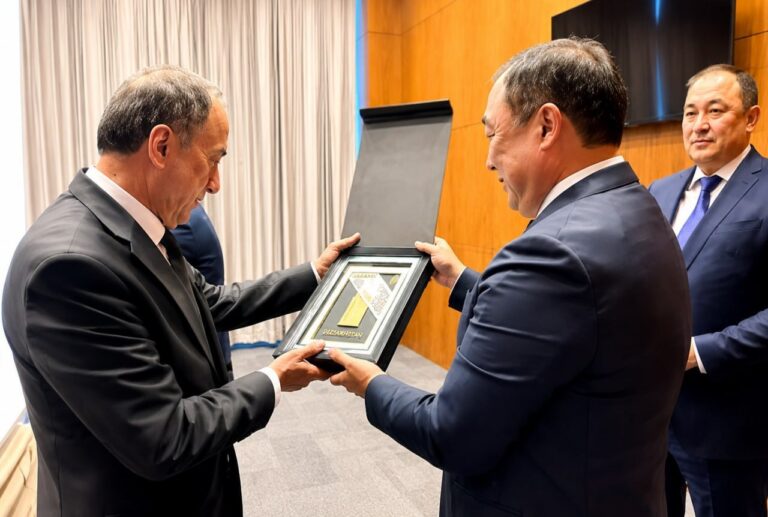
Deputy Minister of Land Reclamation and Water Resources, Anvar Zoirov, is representing Tajikistan at the session.
The UN Special Program for the Economies of Central Asia (SPECA) was launched in 1998 to strengthen sub regional cooperation in Central Asia and its integration into the world economy. The members of SPECA are Afghanistan, Azerbaijan, Kazakhstan, Kyrgyzstan, Tajikistan, Turkmenistan and Uzbekistan.
The United Nations Economic Commission for Europe (UNECE) and United Nations Economic and Social Commission for Asia and the Pacific (UNESCAP) jointly provide overall support to the activities under this program.
The new governing structure (the Governing Council attended by deputy prime-ministers and the Coordinating Committee attended by deputy foreign ministers) provides dynamic and effective strategic guidance to the six Project Working Groups (PWG on Transport, Water and Energy, Trade, Statistics, ICT for Development and Gender and Economy). The activities of each Project Working Group are supported by the relevant Divisions.
The PWG on Water and Energy, among others, worked out the Cooperation Strategy for the Rational and Efficient use of Energy and Water Resources of Central Asia (2003) and prepared diagnostic reports on the energy and water resources of Central Asia. It played a key role in establishing institutionalized cooperation between the Kazakh and Kyrgyz governments in the management of water installations on the Chu-Talas Rivers. Presently it works on a project on dam safety for Central Asia, strongly and actively supported by all SPECA member countries.