U.S. surge in Afghanistan could lead to more violence: ISAF

While an expected surge in the number of U.S. troops in Afghanistan next year will be welcomed by NATO forces there, their arrival could herald an increase in violence, says a senior spokesman for those forces. U.S. president-elect Barack Obama could send up to 12,000 more U.S. troops to Afghanistan in the spring. They would […]

CBC

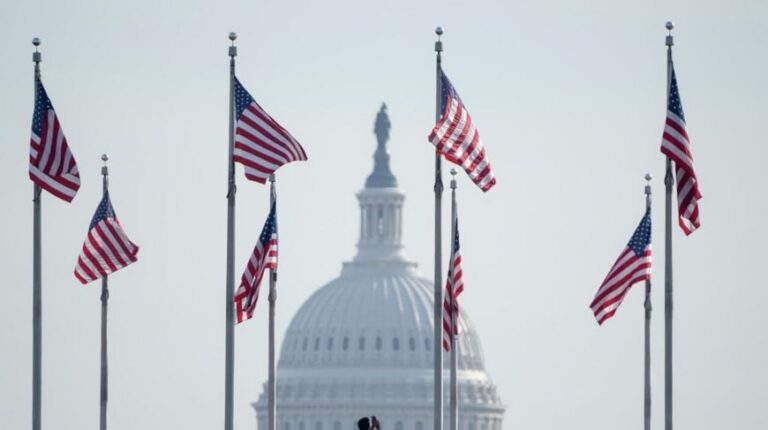
While an expected surge in the number of U.S. troops in Afghanistan next year will be welcomed by NATO forces there, their arrival could herald an increase in violence, says a senior spokesman for those forces.

U.S. president-elect Barack Obama could send up to 12,000 more U.S. troops to Afghanistan in the spring. They would join 50,700 NATO-led International Security Assistance Force soldiers, of which 2,500 are Canadian.

But there will be more confrontations with Taliban forces as additional U.S. forces arrive, said Brig.-Gen. Richard Blanchette, a Canadian who serves as a spokesman for ISAF.

“There is a risk that it gets worse before it gets better – when you have more troops, you have more interface between the insurgents and the forces from ISAF,” Blanchette said Wednesday during a visit to Kandahar Airfield.

Blanchette did not say whether he thinks the increased instances of conflict will lead to more casualties.

For the first time ever, the average number of daily insurgent attacks in Afghanistan exceeded those in Iraq from August through October.

Half of those were directed against Canadian and other foreign troops, the rest at Afghan security forces and civilians.

Blanchette stressed that Afghan troops are taking on an increasingly prominent role in combating insurgents.

“It is a reality that the Afghan National Army has taken a lead in a lot of the operations. They are much more involved than before,” Blanchette said.
Join us on social media!

Article translations:

Related Article

Оби зулол
Оби зулол
Tenisi

Most Read

Коммерсбонк Точикистон

Recent Articles

RZD announces the restoration of passenger services between Moscow and Dushanbe

Direct rail services between the capitals of Russia and Tajikistan were suspended in March 2020 due to the COVID-19 pandemic.

#AP30/Stories. “Selam! Heller nichek?” How Tatars live today in Sughd province

On the 30th anniversary of "Asia-Plus," we continue to publish reports that remain relevant even after years. This story was told in 2021, and since then, little has changed in the life of the Tatar community in Tajikistan.

15,000 cameras, drones, and robots: how technology monitors pilgrims in Mecca and Medina

During Hajj 2026, Mecca and Medina were under unprecedented digital control.

Another child in Dushanbe removed from family and sent to boarding school

The Ministry of Internal Affairs reports that the parents did not pay adequate attention to the child.

Emomali Rahmon instructs to address issues in seed production following criticism of the industry

Issues have been noted with certification, seed quality, and the material and technical base of the industry.

Water, climate, and a $130 billion deficit: seven key outcomes of the Water Conference in Dushanbe

At the forum, countries and international organizations discussed new mechanisms for cooperation, investments, and technologies that are essential for addressing the global water crisis.

Eskhata Bank introduces a new generation children’s wallet

"Eshkata Bank" has created a full-fledged digital platform that helps children aged 7 to 16 learn how to manage money.