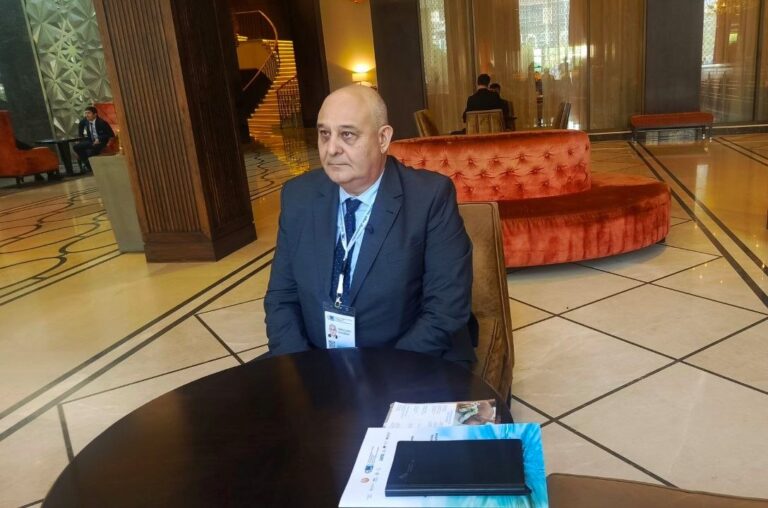
DUSHANBE, February 12, 2009, Asia-Plus — Amendments to the country’s tax code, requiring introduction of water royalty regime, are a reasonable step, Homidjon Orifov, Executive Secretary of Tajikistan’s National Committee for Large Dams within the Ministry of energy and Industries (MoEI), said in an interview with Asia-Plus.
According to him, royalties on natural resources are currently paid practically in all countries of the world. “Introduction of the royalty regime will allow increasing receipts to the national budget,” Orifov said.
“Foreign investors are currently building hydropower plants in our country. These facilities will use water for generating electrical power and the water royalty practice allows the country to get additional funds to the budget,” the expert said, noting that the royalty practice would not affect the country’s investment attractiveness.
He noted that hydropower engineering was one of the most profitable sectors of economy in the world and introduction of the water royalty regime for large hydroelectric power plants would not affect foreign investors who were well-familiar with that practice.
“In any case, investors will have good profit and I think these amendments to the country’s tax code will not stop them,” said Orifov, “However, we ought to think how we will have profit from the power plants built in the country by foreign investors and using our waters.”
Moreover, introduction of the water royalty regime is the first step taken by the country towards asserting its own interests on international arena, the expert said. “Tajikistan has given its neighbors to understand that water carries a price as natural resource and it is necessary to pay for it,” said Orifov, “Kyrgyzstan has already taken certain steps in this direction, having persuaded Kazakhstan to partially compensate for regulation of the Toktogul reservoir waters.”
Before demanding payment for water resources from other countries it is necessary to introduce such payments in Tajikistan itself, the expert said.