DUSHANBE, March 5, Asia-Plus – After first striking the advanced economies and then emerging markets, a third wave of the global financial crisis has begun to hit the world’s poorest and most vulnerable countries, threatening to undermine recent economic gains and to create a humanitarian crisis, IMF Managing Director Dominique Strauss-Kahn said in Washington, press release issued by the International Monetary Fund (IMF) on March 3 said.
Speaking at a Brookings Institution seminar on the impact of the global crisis on low-income countries, Strauss-Kahn said that global economic conditions are worsening and that the IMF’s already gloomy January forecast that world growth would grind to a virtual halt this year might have been too optimistic. He said a global recovery will be “delayed into 2010,” even if countries adopt the right policies to fight recession. Although countries are by and large getting fiscal stimulus right, there has been less progress on financial restructuring, he said.
Most low-income countries escaped the early phases of the global crisis, which began in the financial sectors of advanced economies. But it is now starting to hit them hard, mainly through trade, as financial problems in advanced countries trigger recessions that dampen demand for imports from low-income countries. Of 71 countries classified as eligible for concessional IMF lending, many will at best see per capita incomes stagnate this year. And in some cases, per capita incomes could shrink. Commodity exporters will be hit hard, facing both lower export volumes and lower prices, Strauss-Kahn said.
But financing problems are also beginning to affect developing countries, Strauss-Kahn stated. Foreign direct investment is expected to fall by 20 percent this year. The cost of borrowing has risen significantly, and in some cases may be unavailable. Remittances from citizens working abroad are likely to fall. And aid flows are potentially threatened by budget pressures in donor countries.
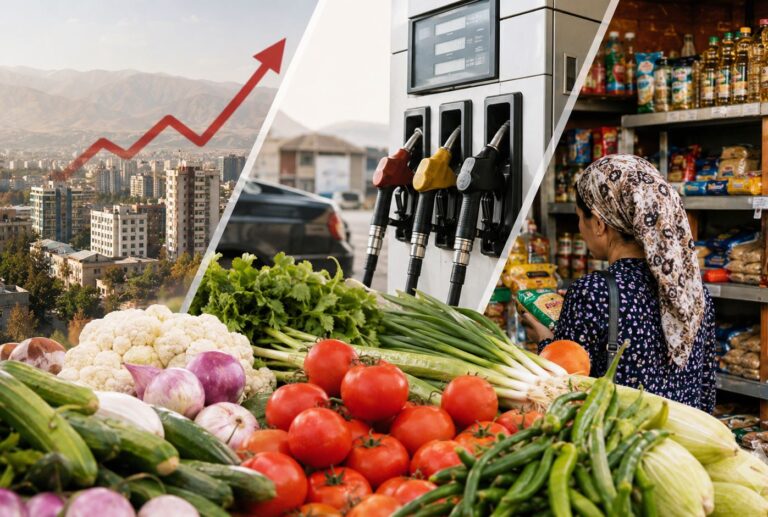
These two shocks, trade and finance, will hurt the external finances of the world’s poorest countries, Strauss-Kahn said. Although the decline in food and fuel prices will help some, others will see their balance of payments decline. Moreover, he said, those external shocks are creating domestic budgetary crises, which have the potential to force poor countries to reduce social spending.
Strauss-Kahn is deeply worried about the humanitarian costs of the crisis, especially its impact on children. He cited World Bank estimates that an additional 1.4–2.8 million children would die between now and 2015 if the crisis continues. He said the potentially high social costs could trigger political unrest and even conflicts.
Strauss-Kahn stressed that low-income countries must safeguard vital spending on health, education, and infrastructure, while boosting social safety nets for the most vulnerable. He observed that “transfer programs that do a good job of reaching the poor, such as targeted food distribution or school meal programs,” can help mitigate the effects of the crisis. Countries might even implement public works programs or provide income support through existing programs, he added.
Because of better policies and improved macroeconomic conditions, some low-income countries were in a better position to confront such a crisis than in the past. Some countries can even safely boost spending to cushion the impact, he said.
But many of the most vulnerable do not have the fiscal ability to deal with the crisis and will need outside help. He said the new IMF study found that the 22 countries in most acute need would require at least $25 billion in additional concessional financing in 2009. If, as seems likely, global conditions continue to deteriorate, that number could grow sharply, up to $140 billion.
Strauss-Kahn said the IMF hopes to have in place shortly the capacity to make concessional loans of $11 billion over the next five years, about twice its current ability.
But the main responsibility for meeting the financing needs of the poorest countries lies with donor countries, he said. The donor countries must find some room to help poor countries in stimulus packages they are putting in place and must live up their 2005 commitment to double annual aid to Africa to $50 billion by 2010 and raise it to $75 billion by 2015.
He also called upon advanced countries to resist protectionism. He said he is not overly worried about standard trade protectionism, although there are strong constituencies in many countries that seek to protect domestic industries from foreign competition. Instead, Strauss-Kahn said, he is worried about “back-door” financial protectionism. In many low-income countries much of the banking sector is foreign owned and the parent banks are bringing back funds to the home countries. This hurts finance in the low income countries, which in turn affects income and growth.