DUSHANBE, May 29, 2009, Asia-Plus — The European Union (EU) Troika is meting its Central Asian Counterparts in Dushanbe on May 29-30 to continue developing the partnership between the EU and Central Asia. The President of the EU Council of Ministers and Minister of Foreign Affairs of the Czech Republic Jan Kohout is chairing the EU – Central Asia meeting in Dushanbe.
Press release issued by the European Commission’s Delegation to Kazakhstan, Kyrgyzstan and Tajikistan notes that for the fourth time the EU is meeting the Foreign Ministers of Turkmenistan, Uzbekistan, Kazakhstan, Tajikistan and Kyrgyzstan all at the same time.
On the agenda are implementation of the EU Strategy for Central Asia, regional issues including cooperation in fields of education, rule of law, economy, trade, energy and environment, as well as common threats and challenges (border management, the fight against drug trafficking).
In addition to the plenary session, bilateral meetings with all Foreign Ministers are also taking place.
EU relations with Central Asia are growing in significance and are supported by strengthened cooperation in the areas of education and the rule of law, including by making more resources available for cooperation in these fields, building on the more than doubling of EC assistance to the region in the period 2007 – 2013, with a total of €750 million.
Since Central Asia’s states gained independence in the early 1990s the European Commission has provided more than €1.2 billion assistance to the reform process in the region. The Partnership and Cooperation Agreements in place with Kazakhstan, Kyrgyzstan, and Uzbekistan provide a solid working basis. Similar agreements are expected to come into force with Tajikistan and Turkmenistan. Recently the European Parliament approved the interim trade agreement with Turkmenistan.
In the next years, poverty reduction and good governance will continue to be the key priority for EC assistance. The content of all programs will be tailored to the specific needs of each country and come in addition to significant assistance provided by a number of EU Member States.
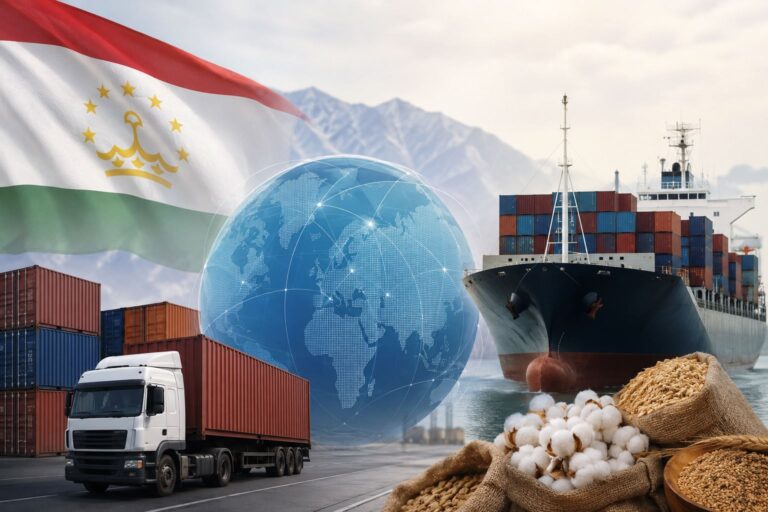
Energy and trade relations are increasingly important areas of cooperation between the EU and Central Asia. The European Commission”s “Baku initiative” is already supporting closer integration of transport and energy networks. Cooperation on new energy transport routes, including the Trans-Caspian corridor will continue, as well as promotion of energy saving, energy efficiency and renewable energy sources.
Cooperation in higher education will be enhanced through such programs like TEMPUS and ERASMUS MUNDUS.
The European Commission already has a Delegation office in Kazakhstan and regionalized offices in Tajikistan and Kyrgyzstan. These offices will be upgraded to full fledged delegation sin the course of this year. In April 2009, the first Head of Delegation was accredited to Turkmenistan. As the EU”s engagement with the region increases, it plans to open offices in all the Central Asian countries in the years to come.