DUSHANBE, March 13, 2010, Asia-Plus — A new US$1.5 million project to make 16 health facilities and the staff working in them better able to deal with humanitarian crises is being rolled out along the Tajikistan-Afghanistan border, the UN World Health Organization (WHO) said on March 12.
The yearlong project is being funded by the Government of Japan and implemented by the World Health Organization and by the Agency for Technical Cooperation and Development (ACTED), a French nongovernmental organization active in Tajikistan since 1996.
“Natural disasters, including flooding, in southern Tajikistan and conflict in neighboring Afghanistan endanger the health of thousands of people and over-burden hospitals and clinics, many of which can”t cope with extra demands to deliver health care,” said Dr Santino Severoni, WHO”s Representative to Tajikistan. “The aims of this new project are to equip and prepare health facilities to provide health care during and after crises and to train health staff to prevent and treat diseases.”
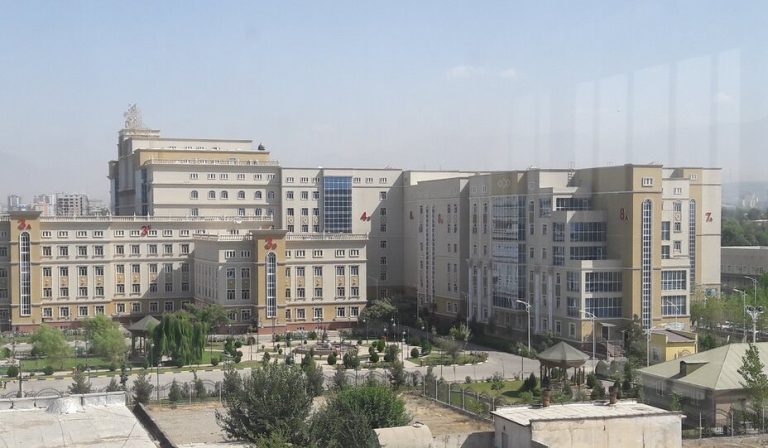
The project has two components. The first, being led by WHO, is to improve the ability of 16 Tajik hospitals in vulnerable districts along the 1200 kilometer border with Afghanistan to withstand disasters and emergencies and provide health care in their wake.
More than 1.2 million Tajik people are expected to benefit from the project through having access to better health care, as well as refugees displaced by conflict in Afghanistan. At least 4400 Afghan refugees are currently registered in Tajikistan, more than double the number for this time last year.
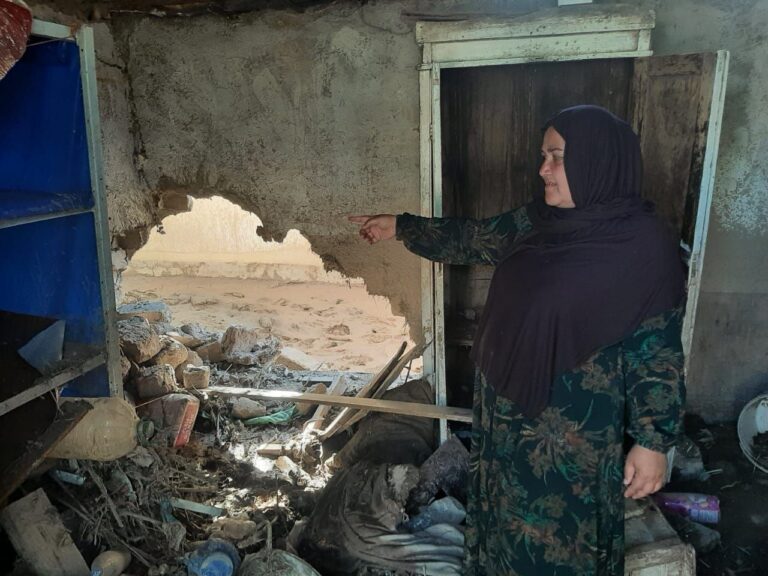
The second component is being run by ACTED to help communities in the Panj and Qumsangir districts recover from severe flooding that occurred in 2009. Primary health care facilities damaged in the flooding will be rehabilitated, staff will be trained in combating water-borne diseases, preventing and treating childhood infectious diseases and promoting good hygiene, and medicines will be bought and distributed to prevent diarrhea and other similar illnesses.
Heart disease, hypertension and respiratory infections are the top three causes of death in Tajikistan. The most vulnerable segments of the population are young children, pregnant or lactating women, the elderly, and people with disabilities or suffering from chronic diseases. District health authorities have limited resources, lack essential medicines and medical supplies, and do not have adequate skills to prepare for and respond to crises.
The deterioration in rural food security in Tajikistan in 2007 and its continued drought until 2008, when it experienced its worst winter in 44 years, impacted heavily on health facilities and their ability to treat patients. During the worst phase of the 2007-2008 crisis, just 5-10% of patients had their needs covered on admission to health facilities.
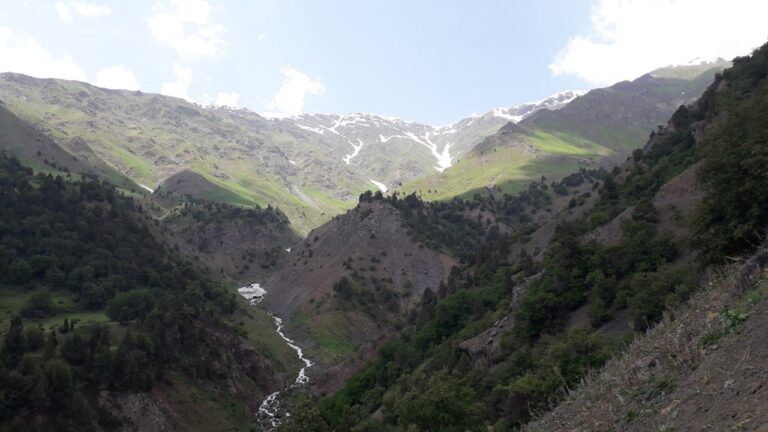
In the meantime, the UN News Center reported on March 11 that the United Nations is helping Tajikistan, a mountainous country prone to natural disasters, enhance its capacity to withstand catastrophes such as floods, avalanches and earthquakes which often destroy homes in the country.
Through its Disaster Risk Management Programme, the UN Development Programme (UNDP) is supporting the country’s Committee of Emergency Situations and Civil Defense to strengthen its search-and-rescue capacity nation-wide.
New buildings are being erected while existing ones are being rehabilitated, including in the capital, Dushanbe, to provide office space, storage capacity and resting areas for search-and-rescue teams.
Specialists from Sweden’s Civil Contingencies Agency will train staff in line with international standards.
The UN rushed emergency aid to the country in January after an earthquake measuring 5.3 on the Richter scale affected some 7,000 people and destroyed more than 100 houses, the UN News Center said.