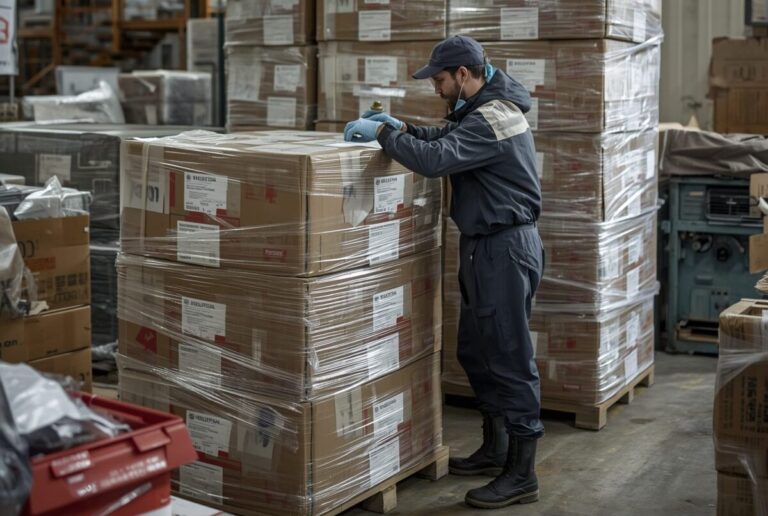
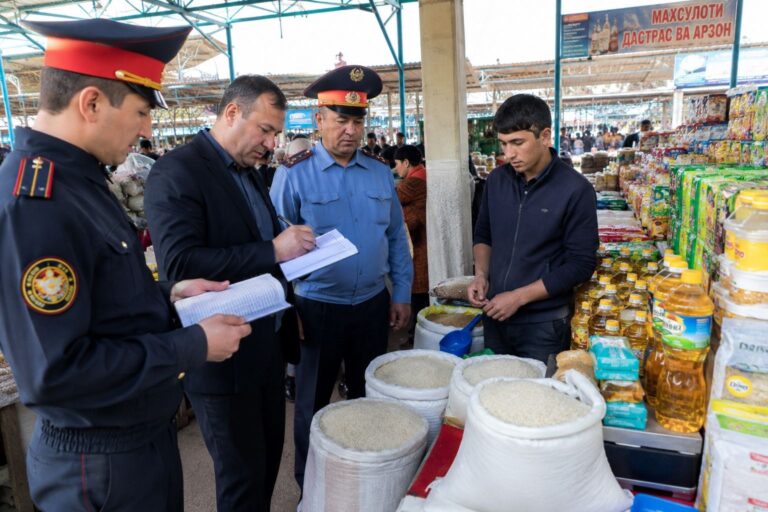
DUSHANBE, September 3, 2010, Asia-Plus — To ensure food security Tajikistan has to import at least 250,000 tons of grain this year, Tajik expert Firouz Saidov said in an interview with Asia-Plus.
Despite the forecast volume of grain Tajikistan may produce this year, Tajikistan should come to an agreement on this subject with Kazakhstan now, he said.
“Increase in the international grain prices will affect Tajikistan as well, because the country imports grains and wheat flour primarily from Kazakhstan,” noted the expert. “Inflation will rise because the government will not be able to curb rise in prices of basic food products for along time.”
According to Saidov, the problem is that grain exporting countries will not begin to realize grains until they stock grains for themselves.
“Spike in grain prices will lead to the rise in prices of basic food products (meats, milk, eggs and others) in Tajikistan and affect the standard of living in the country,” said he, “If we consider a food ration of Tajik family we will see that bread and bakery products account for more than 50 percent of it.”
The expert also notes that inflation cannot be forecasted but there are mechanisms to curb it. “Currency intervention for example,” said he. “The currency intervention is the action that increases or reduces the value of a particular currency against another currency. To keep the exchange rate of the national currency the government, for example, dumps large amounts of foreign currency from its currency reserves. However, this will negatively impact the country’s budget its currency reserves, but when it comes to the crunch that mechanism helps curb inflation.”
Tajikistan’s annual requirements in cereals are now 1.429 million tons, while specialists from the Ministry of Agriculture expect local farmers to produce 917,000 tons of grains this year.
Kazakhstan, Russia and Belarus provide the bulk of Tajikistan’s grain and flour imports. Kazakhstan now accounts for 96 percent of the overall volume of Tajikistan’s grain imports and the remaining 4 percent are delivered from Russia and Belarus.
We will recall that FAO reported on August 4 that the impact of unfavorable weather events on crops in recent weeks has led FAO to cut its global wheat production forecast for 2010 to 651 million tons, from 676 million tons reported in June. Devastating drought afflicting crops in the Russian Federation, coupled with anticipated lower outputs in Kazakhstan and Ukraine have raised strong fears about the availability of world wheat supply in the 2010/11 marketing season, the FAO report said, noting that international wheat prices have jumped by over 50 percent since June. This rapid increase in prices is prompting concerns about a repeat of the crisis of 2007/08.