DUSHANBE, January 18, 2012, Asia-Plus — Aftershocks are reportedly continuing in the Darvoz and Rasht districts, eastern Tajikistan.
Jamshed Kamolov, the head of the department for protection of the population within the Committee for Emergency Situations (CES), told reporters yesterday that tectonic movements are taking place in the Darvaz-Karakul fault area.
“In this connection, a constant recording station will be set up to monitor the situation in the Darvaz-Karakul fault area,” Kamolov said, noting that the station will be set up under support of specialists from the CES and seismologists.
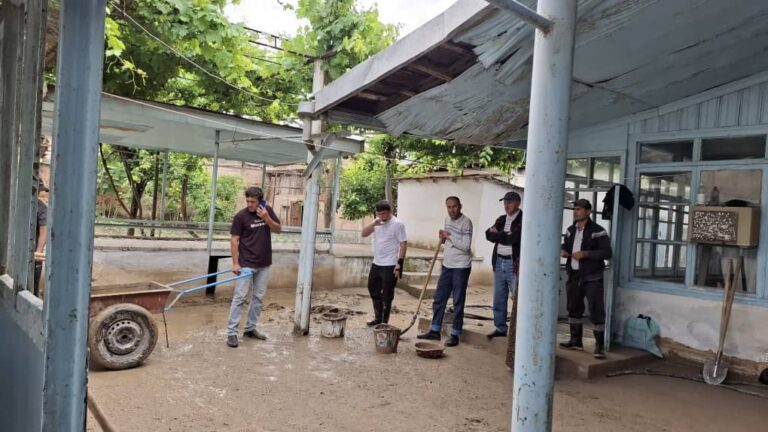
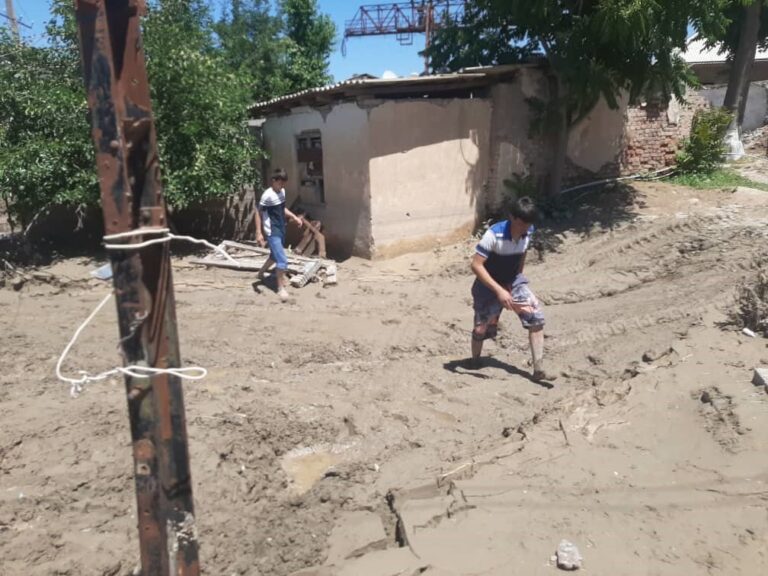
According to him, specialists from the CES jointly with representatives from other ministries and organizations have monitored the situation in the fault area. “53 residential houses, primarily rammed loam structures, have been partially damaged by tremors,” he said, noting that no casualties were reported during the main tremor and the aftershocks.
We will recall that according to the Geophysics Service of the Academy of Sciences, the main tremor measuring 5.0 on a 12-point scale was registered in the Darvoz and Rasht districts on December 29 and the aftershocks have lasted in recent weeks.
The Darvaz-Karakul fault is reportedly one of major tectonic features in the region. Russian specialists note that detailed geological and seismological studies of the Darvaz fault area have revealed a very close correlation between its tectonic structures and the seismotectonic strain (STS) pattern determined from focal mechanisms of numerous earthquakes in the Rasht area. These data and results of regional geological studies are used to revise the current ideas of the leading role of the Darvaz strike-slip fault in the tectonic structure of the junction zone of the Tajik depression and the Northern Pamirs.