DUSHANBE, September 5, 2012, Asia-Plus — Three Rome-based UN agencies, the Food and Agriculture Organization of the United Nations (FAO), the International Fund for Agricultural Development (IFAD), and the World Food Programme (WFP) issued a joint statement on international food prices on September 4.
The statement, in particular, notes that the current situation in world food markets, characterized by sharp increases in maize, wheat and soybean prices, has raised fears of a repeat of the 2007-2008 world food crisis, but swift, coordinated international action can stop that from happening.
“We need to act urgently to make sure that these price shocks do not turn into a catastrophe hurting tens of millions over the coming months.”
According to the statement, two interconnected problems must be tackled: 1) the immediate issue of some high food prices, which can impact heavily on food import-dependent countries and on the poorest people; and 2) the long-term issue of how we produce, trade and consume food in an age of increasing population, demand and climate change.
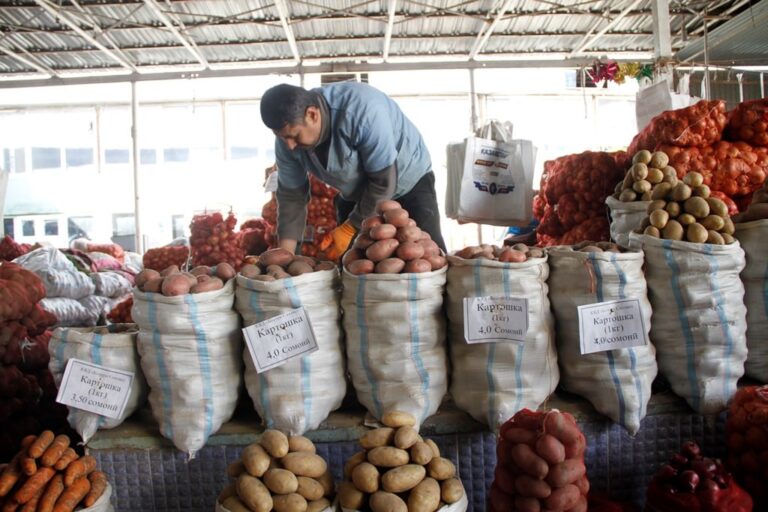
The statement notes the urban and rural poor and people in food import-dependent countries are most vulnerable to international commodity price increases, when these are transmitted to local markets, because they spend the largest proportions of their incomes on food.
Smallholder farmers, many of whom are also poor and food insecure, can be enabled to benefit from higher food prices and become part of the solution by reducing price spikes and improving overall food security, the statement said.
Many countries have social protection systems including safety nets to ensure that their poorest citizens have enough to eat; yet, these need to be expanded significantly in poorer countries.
Small-scale food producers also need to be better equipped to raise their productivity, increase their access to markets and reduce their exposure to risk. And, of course, people need decent jobs and incomes so that they can afford the food they need and escape from poverty, the statement said.
The UN agencies note that high food prices are a symptom, and not the disease. “So while the international community must take early action to prevent excessive price increases, it should also move to act on the root causes behind such surges.”
The statement says there have been three international food price spikes in the last five years. “Until we find the way to shock-proof and climate-proof our food system, the danger will remain. In the short term, this has costs, not only for those directly impacted, but also for the international community at large.” For instance, WFP estimates that every 10 per cent increase in the price of its food basket means it has to find an extra $200 million a year for food assistance.
The statement authors urge to invest much more in agriculture and social protection, including programs that help poor people to access food that has become unaffordable in their local markets.