DUSHANBE, March 14, 2013, Asia-Plus – In statement delivered at the Central Asia Forum at Cambridge University, MEP Struan Stevenson noted on March 6 that Tajikistan can play a major role in the international arena as a key strategic partner of Europe and the West in Central Asia.
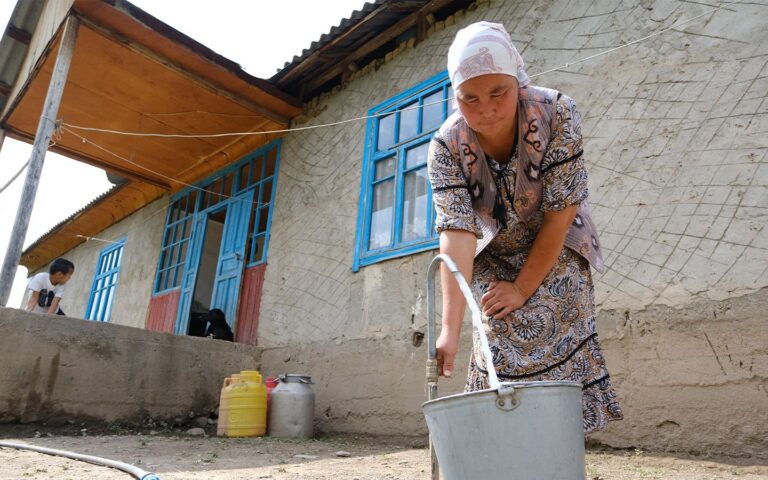
“By virtue of its mountainous landscape, scarce water resources and limited water availability are not a concern for Tajikistan. However, as an upstream country in Central Asia”s vast natural water network, I acknowledge that Tajikistan has responsibilities towards its downstream neighbors.
“Such water issues affecting the upstream and downstream nations in Central Asia are a source of constant tension and the proposed construction of the Roghun reservoir on the Vakhsh River has become a particular focus of controversy. When operational, Roghun will produce a massive 3600 MW at peak capacity. Over 45 miles of underground tunnels have already been completed during the Soviet era and 5000 workers are engaged day and night in the construction of giant underground halls where the turbines will be located.
“It is intended to dam the Vakhsh River in the steep narrow valley in which Roghun is located with a 335 meter height one and clay embankment. When I visited Roghun, I was deeply impressed by what I saw.
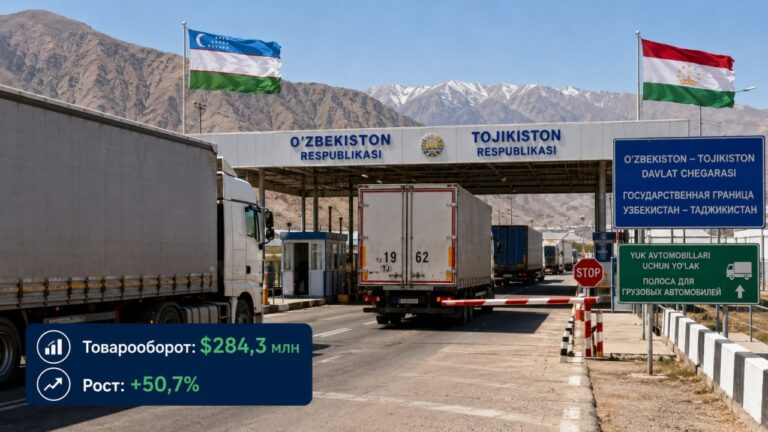
“Uzbekistan has vehemently objected to the Roghun project, claiming it would give control of the river”s flow to Tajikistan and could cause devastation if breached by an earthquake. The Uzbeks must be allowed to voice their concerns and we must also take balanced, logical and rational approach to this issue in order to ascertain the best outcome for both countries and more importantly, the people of Central Asia.
“In a report I wrote for the OSCE, I noted that such negative reactions to the project maybe premature. I suggest that Uzbekistan and other downstream nations in Central Asia should await the outcome of a critical analysis of the project by World Bank experts which is due to be published soon.
“I have also pointed out that the Roghun reservoir will be broadly similar to the Nurek reservoir, located about 75km east of Dushanbe. Nurek also has a 300m high earthfill dam, with currently the largest reservoir in Tajikistan, stretching back for 70 km with a surface area of over 98 km2 and a maximum depth of 220m. Nurek, constructed during Soviet times, has withstood countless major earthquakes over four decades and is still functioning perfectly.
“If constructed with sufficient expertise and materials to withstand seismic activity, I am certain however, that both the Nurek and Roghun dams are vital structures which can be used to maintain both financial security in Tajikistan and regional stability in Central Asia. 95% of electricity in Tajikistan is generated from hydro electric power projects. The overhead lines and infrastructure needed to sell this electricity to neighboring countries like Afghanistan and Pakistan are already being built. The new reservoirs being planned at Roghun will take ten years to complete before they are fully operational, but Tajik officials have guaranteed that they will continue to supply their downstream neighbors with the same amount of water that they enjoy now via the Amu Darya and Syr Darya rivers. They claim that their new system of dams will provide a properly managed water source which will benefit everyone. The Tajiks point out that 60% of the rivers which serve Central Asia are sourced in Tajikistan. They claim that they have never and will never restrict water flow to their downstream neighbors.
“If constructed properly, once it is operational, Roghun will provide a source of green, environmentally friendly energy which is both cheap and plentiful and will meet the needs of Tajikistan while also providing essential energy for neighboring countries like Afghanistan and Pakistan. It seems like a win-win situation in an area that is desperate for energy. Combined with a more strategic use of water in the downstream countries, with concrete-lined reservoirs and droplet irrigation, there is no reason why the abundant water resources of Central Asia cannot be distributed fairly and used in a way that enhances, rather than threaten the future of the Ferghana Valley.
“Tajikistan is leading the way in water resource management in Central Asia, providing energy and water for its neighbors. Tajikistan takes this responsibility very seriously and it deserves the encouragement of the West in its endeavors.”