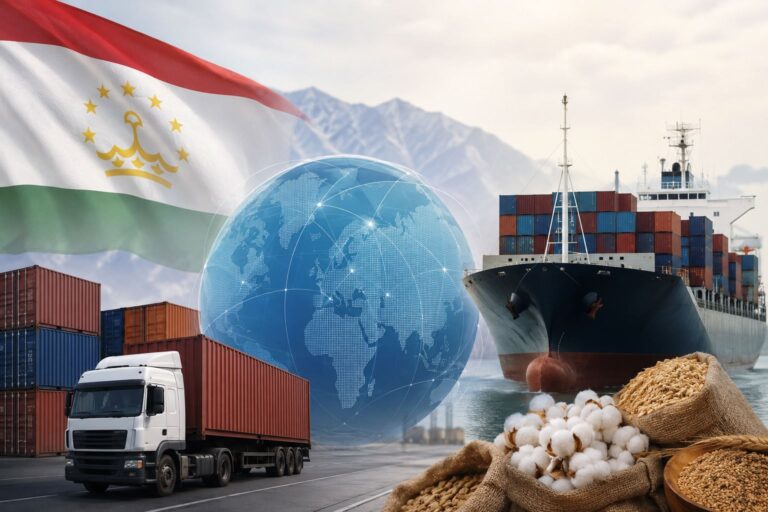
DUSHANBE, December 8, 2013, Asia-Plus — A study conducted by the International Trade Center (ITC) analyzed trade obstacles faced by Tajikistan’s private sector in exporting their goods and services to five selected foreign markets and possible solutions in the frame of Tajikistan’s accession to World Trade Organization (WTO). Two of five of the selected countries are WTO members (China, Kyrgyzstan) and three are acceding countries (Kazakhstan, Afghanistan and Iran).
Challenges in the transit of trade goods through neighboring countries; internal taxes on imports from a trade partner; difficult market access with trade partners; export duties and import tariff quotas by other trade partners – these were some of the main business obstacles for Tajik exporters in foreign markets, press release issued by ITC says.
The study was reportedly conducted as one of the activities in support of Tajikistan’s WTO accession and post accession implementation efforts.
The report says that Tajikistan, as a WTO member, is now in a position to put forward requests to countries in accession that reflect the concerns of its private sector. It may also address some of the issues its private sector faces when exporting to other WTO members, through technical working groups established within the WTO structure. Another option is to engage in bilateral diplomatic negotiations to address these issues.
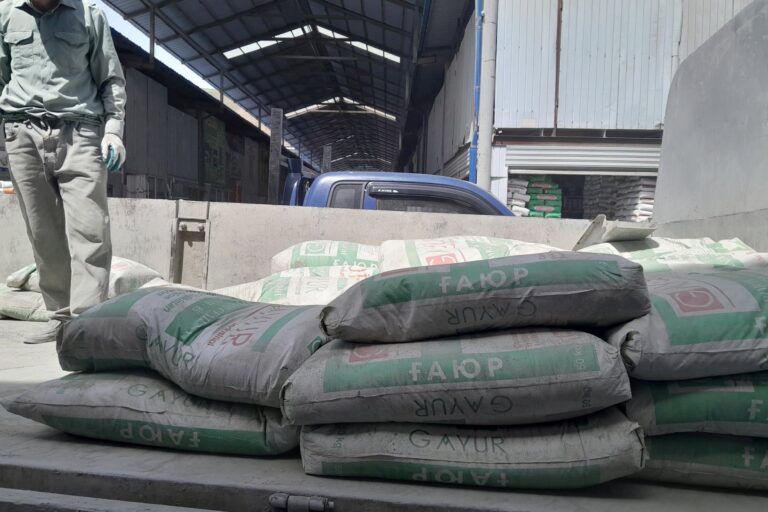
The study’s aim was to identify the concerns of the Tajik private sector, which can be addressed within the ambit of the WTO. Rahat Toktonaliyev, ITC International Consultant on WTO Accession, the author of the study, says it is based on a survey of Tajik exporters, as well as on interviews with the main representatives of the private sector, business associations, companies, related governmental agencies, and stakeholders. He says the survey results were analyzed in order to identify the principal trade obstacles faced by Tajik businesses, and the issues that could be addressed within the domain of the WTO with suggestions of how. Food and light industries, agricultural production, metallurgy, construction, and transport were covered under this study as the key priority sectors, where Tajikistan already exports or has potential for export of goods services.
Mr. Toktonaliyev, in particular, notes that the study revealed that Tajik exporters face challenges in accessing neighboring markets and in the transit of their goods and services. “They consider internal taxes, charges, duties and tariff quotas in their target markets as obstacles. It should also be noted that some of the interviews indicated internal export procedures and requirements in Tajikistan as major trade obstacles. In some cases, it became apparent that requirements that were officially eliminated during the accession process are still being applied. It became apparent that exporters are not aware of the procedures/issues in export markets because their partners in the importing countries were responsible for handling them.”
The World Trade Organization (WTO) is an international organization established in 1995 regulating trade among its Members. The WTO is primarily concerned with the creation of an open, free and fair trade environment where all Members have equal access to wealth gains. With its accession on 2 March 2013, Tajikistan has become the 159th Member of the organization.
The results of the study will be provided to the relevant governmental agencies, as well as all interested stakeholders from international organizations, business associations, or the private sector. The study is also available online in English and Russian via ITC Tajikistan’s web-home.
This study was conducted under SECO’s Trade Cooperation Program in Tajikistan Component ONE: Policy Advice and Capacity Building.