DUSHANBE, December 24, 2013, Asia-Plus – Negative impact of global financial crisis makes the Tajik Aluminum Company (TALCO) work in a hard anti-crisis regime, TALCO management noted on December 23.
The fall in the international aluminum prices and the rise in cost of the main raw materials and railway tariffs as well as other factors reportedly can lead to the rise in aluminum cost prices and the cost price of one ton of primary aluminum will rise by 400-450 U.S. dollars.
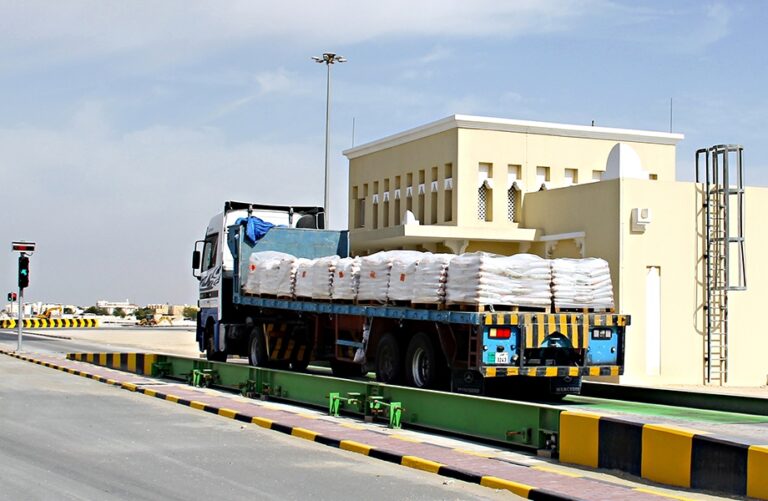
TALCO incurs serious financial losses due to long transport arms, high power costs and geographical remoteness from sources of the main raw materials. Today, transport expenses account for more than 30 percent of the cost prices of the primary aluminum.
TALCO has reportedly worked out the strategic anti-crisis measures to reduce production expenses. The company managements has analyzed external and internal risk factors and has come to a conclusion that further increase in aluminum production volume will lead to increase in financial expenses and will extremely affect the state of the enterprise. Therefore, the production program for 2013 provided for 20 percent decrease in production volumes against last year.
Over the first eleven months of this year, Tajik aluminum smelter has produced 218,200 tons of raw aluminum, which is 30.7 percent fewer than in the same period last year.
Over the same eleven-month period, the plant has produced little more than 216,000 tons of primary aluminum, which is 79.3 percent of the January-November 2012 level.
In January-November 2013, the company’s external trade turnover has amounted to 610.4 million U.S. dollars, including exports estimated at 351.1 million U.S. dollars and imports worth 259.3 million U.S. dollars. The balance was positive and amounted 73.3 million U.S. dollars.
Being in an awkward situation due to effects of the ongoing global financial crisis, the company today needs a real financial support from the government for further post-crisis restoration of its capacity as never before, TALCO management stressed.