Tajikistan, Iran sign one more document on completion of the Istiqlol Tunnel

DUSHANBE, July 8, 2015, Asia-Plus — Tajikistan and Iran have signed one more document on completion of the Istiqlol Tunnel. The Tajik MFA information department reports the governments of Tajikistan and the Islamic Republic of Iran  have signed a memorandum on cooperation on completion of the Istiqlol Tunnel.  The document was reportedly inked by Tajik […]

Payrav Chorshanbiyev

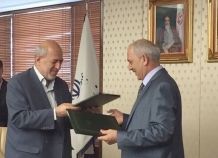
DUSHANBE, July 8, 2015, Asia-Plus — Tajikistan and Iran have signed one more document on completion of the Istiqlol Tunnel.

The Tajik MFA information department reports the governments of Tajikistan and the Islamic Republic of Iran  have signed a memorandum on cooperation on completion of the Istiqlol Tunnel.  The document was reportedly inked by Tajik Ambassador to Iran Nematullo Emomzoda and Iranian Energy Minister Hamid Chitchian  in Tehran on July 7.

According to the Tajik Ministry of transport (MoT), construction of the Istiqlol tunnel is expected to be completed in November this year.

The Istiqlol Tunnel, better known among the population as the Anzob Tunnel, has been built with assistance of Iranian specialists.  Iran’s Saber International has constructed the Istiqlol Tunnel.

The total project cost was estimated at 40 million US dollars, and Iran has provided US$10 million in a form of grant and extended a preferential loan worth US$21 million to Tajikistan.

The Istiqlol Tunnel is a five kilometer long tunnel located 80 kilometers northwest of Dushanbe.  It connects the Tajik capital to Tajikistan’s second largest city, Khujand.  It is also a transit route between Dushanbe and Uzbekistan’s capital Tashkent.  Previously, especially during the cold seasons, a lack of a direct link between northern and southern Tajikistan led to disruptions of commerce.  The tunnel makes the highway from Dushanbe to Khujand open for traffic the whole year round and drops the transit time by four to five hours.

An official opening ceremony of the Istiqlol Tunnel was held in July 2007; however, some works have remained unfinished.

In April 2013, Tajik parliament endorsed a memorandum of understanding (MoU) between the governments of Tajikistan and Iran on completion of the Istiqlol Tunnel that provides for allocation of additional 6 million U.S. dollars.  This amount includes a US$3 million grant provided by the Government of Iran and US$3 million provided by the Government of Tajikistan.

Article translations:

Related Article

Оби зулол

Most Read

Join us on social media!

Aura

Recent Articles

Sanctions lifted: Dushanbe City Bank resumes international operations

The bank is returning to full-scale international operations.

Gasoline and diesel fuel in Dushanbe rose in price by 8.9% due to the war in the Middle East

The rise in global oil prices and, consequently, the cost of petroleum products has triggered the closure of the Strait of Hormuz.

The Ministry of Labor organizes consultations for migrants returning from Russia at Dushanbe airport

Employees of the Migration Service explain the requirements of Russian legislation and offer job vacancies in their homeland.

Tajikistan and Uzbekistan discuss simplification of customs procedures and implementation of VIN.TJ system

The VIN.TJ system is designed to simplify the process of vehicle registration and control.

Tajikistan climbs four places in the global fixed internet speed ranking

This is the country's best performance in the past five years.

President of Tajikistan launches hydro unit No. 7 at Nurek HPP

As of today, three units have been completely replaced at the country's largest hydroelectric power station.

Italian Opera in Dushanbe: Shohrukh Yunusov invites to an evening of musical revelations

The evening will feature the most recognizable Italian works alongside world and Tajik classics.

The European Union lifts sanctions on Tajik banks

This is attributed to successful reforms and improved financial transparency in the country.

Meta announced plans to lay off about 10% of its staff

The reason cited is the high costs of artificial intelligence development.