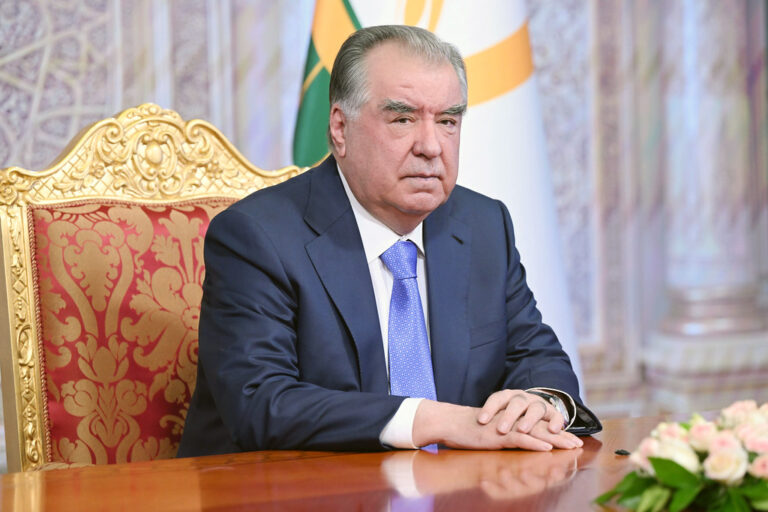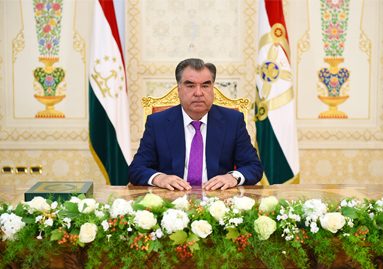
DUSHANBE, July 5, 2016, Asia-Plus – President Emomali Rahmon has congratulated Tajikistanis on the Idi Ramazon or Eid ul-Fitr holiday.
In his televised message, Rahmon, in particular, called on people to provide assistance to vulnerable people, orphaned children and elderly people.
The president also wished well-being and success to the Tajik people, according to the Tajik president’s official website.
The president notes that “during the festive days and always each conscientious and honest person, based on good traditions of ancestors and injunctions of Islam, strives to protect achievements of independence, strengthen peace and stability, enhance mutual understanding, and provide wellbeing and stability of our free Homeland and calmness of each Tajik family.”
He called on parents to foster the spirit of patriotism in their children, set their children on the right path and inculcate in them a thirst for knowledge.
This year, Tajikistan will celebrate Idi Ramazon on July 6.
Eid ul-Fitr is a Muslim holiday that marks the end of Ramadan, the Islamic holy month of fasting. Eid is an Arabic word meaning “festivity”, while Fitr means “to purify”; and so the holiday symbolizes the purification after completing the fasting month, which is after the end of the Islamic month of Ramadan, on the first day of Shawwal.
Eid ul-Fitr lasts for one day of celebrations and is sometimes also known as the “Smaller Eid”: as compared to the Eid al-Adha that lasts three days following the Hajj and is casually referred to as the “Greater Eid.”
On this day, Muslims attend the special Eid prayer (salah). An obligatory charity is paid to the poor and the needy before performing the ‘Eid prayer by all those adult Muslims who are required to pay Zakat. Eid prayer is performed in congregation in open areas like fields, squares etc or at mosques.
After the prayers, people visit their relatives, friends and acquaintances. Gifts are frequently given; it is common for children to be given small sums of money by adult relatives or friends. It is also common for children to salam parents and adult relatives; they usually get sweeties or money from the adult relatives or friends.