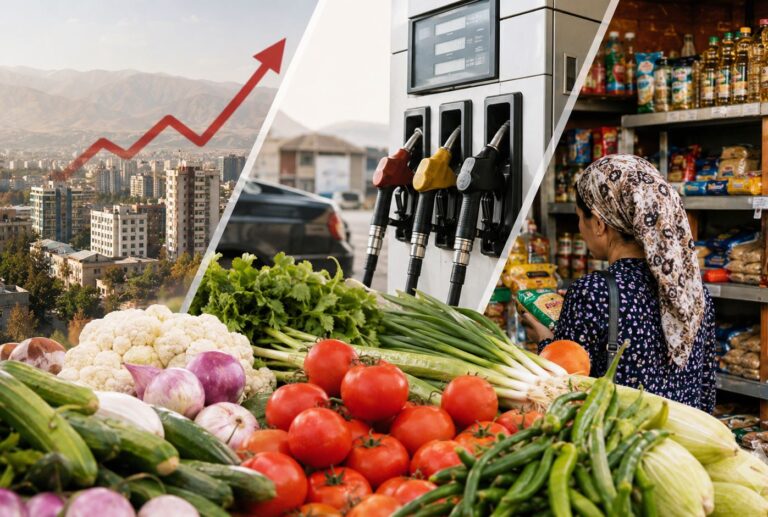
The FAO Food Price Index averaged 172.6 points in October, up 0.7 percent for the month and 9.1 percent from a year earlier, with the staple grains' index rising for the first time in three months.
The Food Price Index, which has risen continuously throughout 2016 except for a brief dip in July, is a trade-weighted index tracking international market prices for five major food commodity groups.
October's rise was driven primarily by jumps in sugar and dairy prices.
The FAO Sugar Price Index rose 3.4 percent in October amid reports of production shortfalls in Brazil's Centre South region and India's Maharashtra state.
The FAO Dairy Price Index rose 3.9 percent from September, led by rising prices of cheese and in particular butter, as a result of sustained internal demand in the European Union after a period during which stocks were drawn down.
By contrast, the FAO Meat Price Index fell, dropping 1.0 percent in October, with the drop largely driven by slacker demand for European pig meat from importers in China.
The FAO Cereal Price Index, meanwhile, rose 1.0 percent in October, buoyed by tightening supplies of high-quality wheat even as the overall prospects for global wheat harvests have improved.
FAO notes that world cereal production for 2016 should amount to 2,571 million tons, up marginally from FAO's October forecast and 1.5 percent above the 2015 output.
The updated figure, released in the Cereal Supply and Demand Brief, reportedly reflects a substantial upgrade of the outlook for world wheat production, which is now expected to rise to 746.7 million tons, a 4.3 million increase from FAO's October forecast.
The Russian Federation's wheat output is now anticipated to set a new record, while favorable weather is also boosting yield prospects in Kazakhstan.
Early signs from the planting of the 2017 winter wheat crop in the northern hemisphere indicate that U.S. farmers are reducing the area because of low price prospects and a subdued export outlook due to a stronger U.S. dollar. However, wheat plantings in the Russian Federation and Ukraine are ahead of last year's pace.
Meanwhile, sowing of summer 2017 cereal crops is underway in southern hemisphere countries, and conducive weather conditions are leading to expansion in South America.
Total cereal utilization for the 2016/17 season is now forecast at 2,562 million tons, up slightly from October and 1.7 percent higher than a year earlier.
A primary driver of increased utilization of cereals is global feed use, which is likely to expand by 2.7 percent. The use of wheat for animal feed, buoyed by ample supplies of lower-quality wheat, is anticipated to grow by 6.1 percent to 146.6 million tons, an all-time high.
Global food consumption of cereals is forecast at 1,106 million tons, up 1.3 percent from a year earlier and sufficient to maintain a broadly stable per capita consumption level globally.
World cereal stocks will likely increase to nearly 662 million tons by the end of the 2017 seasons, driven by growing wheat inventories, especially in China, the U.S. and Russia.
Coarse grains stocks are projected to drop by 1.7 percent, led by reductions in China, Brazil and South Africa. World rice inventories are expected to fall slightly to 169.8 million tons.