Tajikistan plans to increase its cement production by launching new joint Tajik-Chinese ventures.
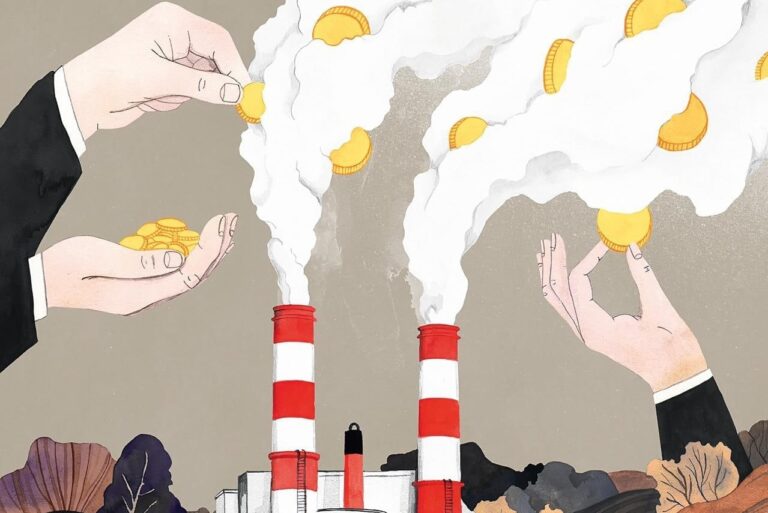
Over the past eight years, Chinese investors have helped increase cement production in Tajikistan almost ten times as much. Meanwhile, this can turn into disaster for Tajikistan’s environment but few people are thinking about that.
In 2016, Tajikistan increased its cement production to 2 million tons, an increase of 500,000 tons from 2015, according to the Minister of Industry and New Technologies. This is due to new cement plants opening in Vahdat, Bobojonghafourov and Yovon. The country has begun exporting its excess to neighboring countries. In 2016, Tajikistan exported cement to Afghanistan, Kyrgyzstan and Uzbekistan. Small volumes of cement were also exported to Russia.
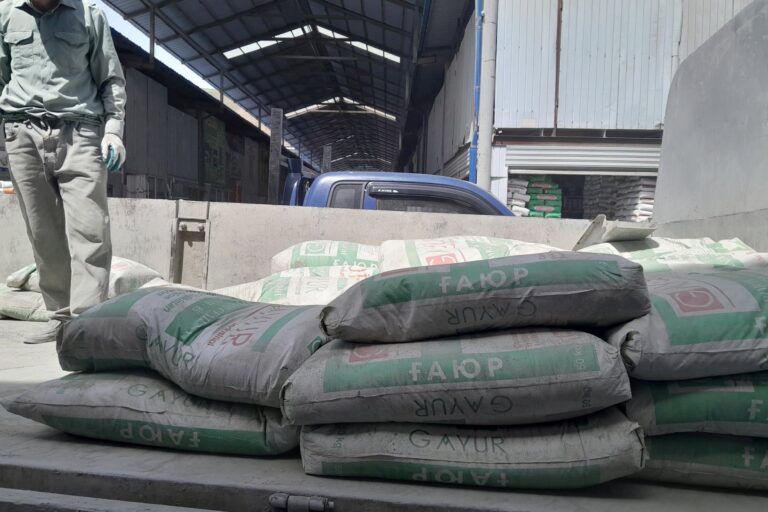
Over the first two months of this year, Tajikistan has produced more than 197,000 tons of cement, which was 7,000 tons more than in the same period last year. More than 30 percent of cement produced over the report period has been exported Afghanistan (about 54,000 tons), Uzbekistan (more than 6,000 tons) and Kyrgyzstan (160) tons. The export cement has been produced by Huaxin Gayur Cement and Chzhungtsai Mohir Cement.
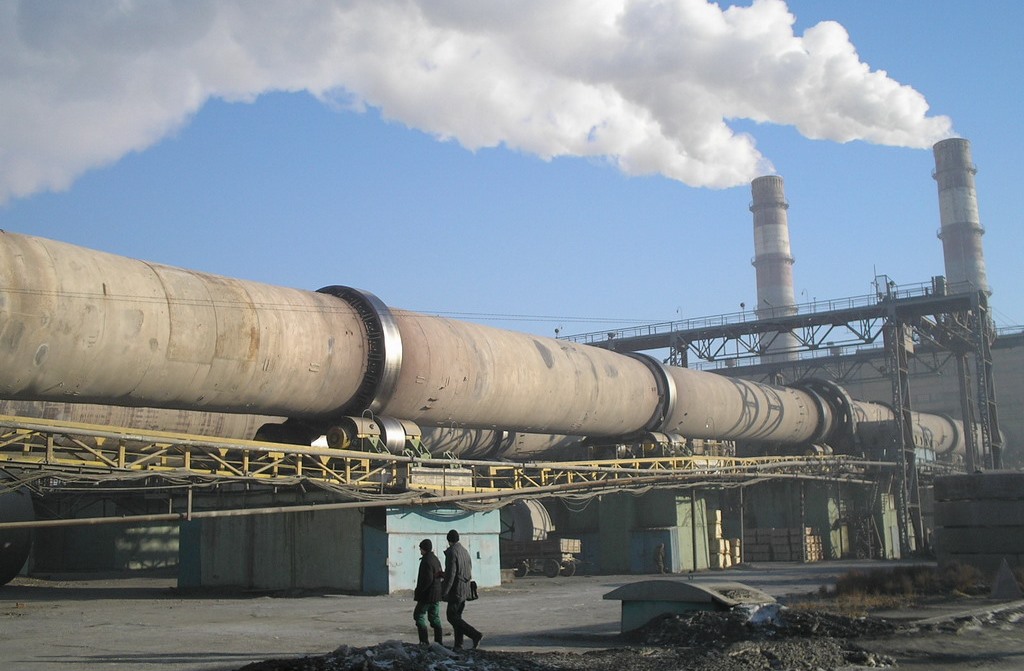
13 cement plants with total capacity of 4.7 million tons now operate in Tajikistan. Most of them have been built in recent years with the help of Chinese investors.
According to the Ministry of Industry and New Technologies, one more cement plant will be launched in Tajikistan this year due to Chinese investments. The joint-venture “Bilol Suyulin” (phonetically spelled) with annually capacity of 200,000 tons is being constructed in Konibodom, Sughd province.
However, not all are happy of such achievements. Some experts say increase in a number of cement plant in Tajikistan can inflict harm on the country’s environment.
“In connection with serious environmental problems, China has shifted the main hazardous productions to other countries in recent years. Tajikistan, which has significant requirements in cement, has turned out to be convenient country for Chinese cement producers,” Tajik independent ecologist told Asia-Plus on the basis of anonymity.
Australian expert Dirk van der Kley last year noted in his article China Shifts Polluting Cement to Tajikistan that Chinese cement companies are scouring Central Asia for new opportunities as profits dry up at home.
In the space of three years, Chinese investors have reportedly transformed Tajikistan’s cement industry. A handful of new, large Chinese-funded cement plants increased Tajik production of the material fivefold between 2013 and 2015, amid huge overcapacity in the Chinese market.
According to him, Chinese cement companies are facing a tougher time at home, as profits fall and less efficient, more polluting plants are forced to shut down or pay the costs of environmental damage in the wake of new laws and a crackdown on pollution. Cement is one of the world’s most polluting industries and a major source of carbon dioxide and smog that is causing a health crisis in China.
Chinese producers are now scouring the world for locations where cement prices are high and local competition weak.
The Chinese government is reportedly now explicitly supporting Chinese producers to move excess capacity offshore. It is seen as one of the major planks of China’s One Belt One Road (OBOR) initiative – a plan aimed at improving infrastructure and providing a huge market for Chinese investment across Asia and beyond. Central Asia is one of the key regions for the initiative as it can provide an overland pathway to markets in Europe and the Middle East.
In Tajikistan, Chinese companies face less hostility than in other Central Asian countries. In Kyrgyzstan and Kazakhstan, protests against Chinese companies, and laws perceived to benefit Chinese companies, have been relatively commonplace. These have not materialized in Tajikistan probably due to greater levels of autocratic control, Dirk van der Kley noted.
“The Chinese cement plants mainly use coal for their fuel. The companies claim that their plants are using advanced environmental and energy saving technology, without specifying exact standards. It is almost certain that they use cleaner technology than the small pre-existing cement plants in Tajikistan. However enforcement of environmental regulations in Tajikistan remains lax and limited government transparency makes independent verification difficult,” the expert said.