Syrian army: US coalition air strike hit IS poison gas supplies releasing substance ‘killing hundreds’

The Syrian army has accused the US-led coalition of launching an air strike on Wednesday evening that hit an Islamic State (IS) chemical weapons supply, killing “hundreds including many civilians.” Accusation follows a week after Syrian government was accused of launching its own chemical attack. Syrian state-run news agency Sana reported the air strike, on […]

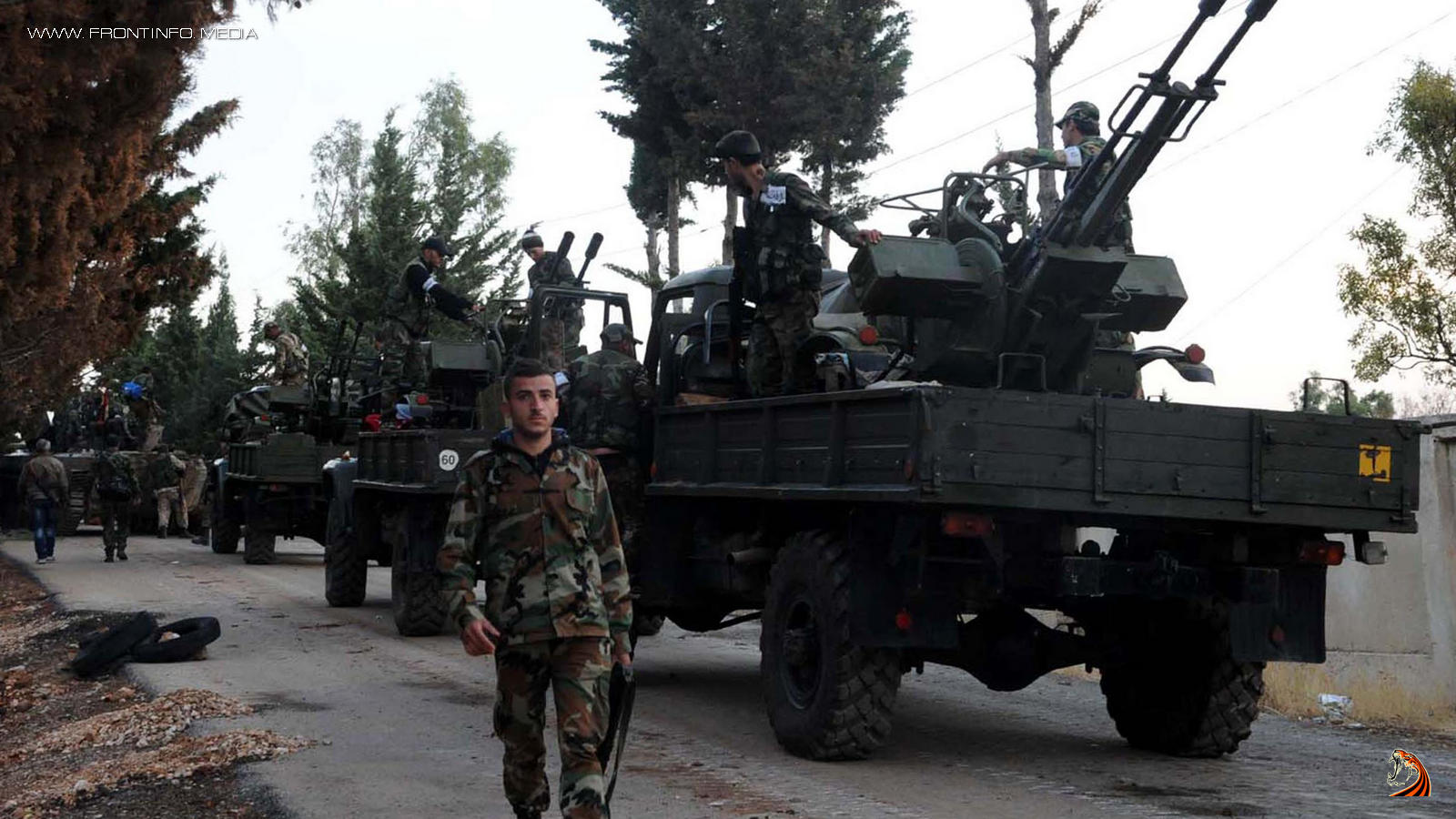
The Syrian army has accused the US-led coalition of launching an air strike on Wednesday evening that hit an Islamic State (IS) chemical weapons supply, killing “hundreds including many civilians.”

Accusation follows a week after Syrian government was accused of launching its own chemical attack.

Syrian state-run news agency Sana reported the air strike, on the village of Hatla, as a “white cloud that became yellow as a result of the explosion of a huge store that includes a large amount of toxic materials”.

A statement on behalf of the Syrian army said the bombing at around 5:30 pm local time (3:30 pm BST) on Wednesday in the eastern Deir al-Zor province hit the terror group’s stockpile, without giving details of which toxic substance it might be.

“The jets of the so-called US-led coalition launched a strike at about 17:30-17:50 on a Daesh warehouse where many foreign fighters were present.  First a white cloud and then a yellow one appeared at the site of the strike, which points at the presence of a large number of poisonous substances.  A fire at the site continued until 22:30,” the statement from the Syrian General Staff reads.

The incident proved that IS and al Qaeda-linked militants "possess chemical weapons", the statement said. 

The British online newspaper The Independent says there was no immediate independent confirmation or reaction from the US coalition, which has operated in the skies above Syria since 2014.
Join us on social media!

Article translations:

Related Article

Tenisi
Оби зулол
Оби зулол

Most Read

Коммерсбонк Точикистон

Recent Articles

President of Tajikistan instructed to develop measures for stabilizing the cement market within a week

Despite the increase in the production of this building material in the country, the domestic market faced a shortage, supply disruptions, and a sharp rise in the price of the building material.

Gusty winds and mudslides damage houses, roads, and cars in Dushanbe and some other regions

At least 9 vehicles were damaged, including three in Dushanbe and six in Vahdat.

The US struck military facilities in Iran. Trump expressed dissatisfaction with Tehran’s proposals and threatened Oman.

Earlier, Iran's state TV reported receiving a draft unofficial framework agreement between Tehran and Washington to settle the conflict.

How much did Tajikistan’s budget earn from the “Google tax”?

The law is already 5 years old, but the Tax Committee provided data only for the last 2 years.

The bilateral trade between Tajikistan and Iran increased by 8% in Q1 2026

Another meeting of the joint intergovernmental commission of the two countries took place in Dushanbe.

Russia and Taliban government sign military-technical cooperation agreement

The document may open up opportunities for the exchange of weapons, military technologies, and other types of defense cooperation.

“Hit with fists on the lower back and abdomen.” A teacher from Nurobod, claiming he was beaten by a student’s brother, details the attack

According to him, he is being threatened with murder, and law enforcement agencies have not yet detained the attacker.

International internet starts coming back in Iran after long shutdown 

Western media reports says Iranians ​isolated by a long...

Tajikistan listed among countries with low generative AI usage

Among the Central Asian countries, Kazakhstan has the highest rate.

Prices in Tajikistan rise almost 2% in January-April: apples, fuel, and utilities become particularly more expensive

In April, inflation was 0.6%: food products became more expensive, non-food products increased in price comparatively less, and tariffs for paid services remained unchanged.