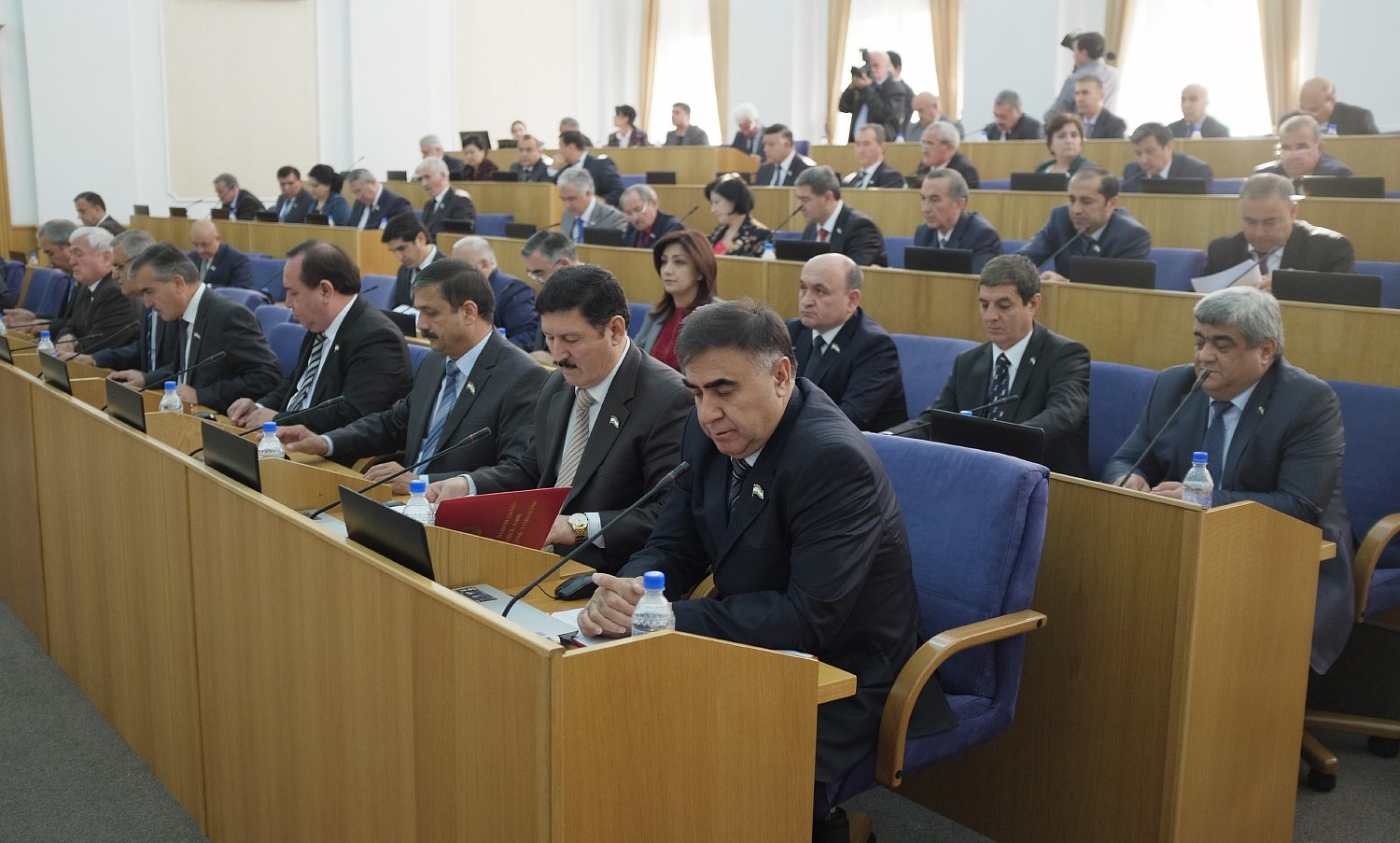
Deputies of Tajikistan’s lower house (Majlisi Namoyandagon) of parliament will meet their voters from September 10-20 to explain amendments made to the law on the order of observing national traditions and rituals, Muhammadato Sultonov, a spokesman for the Majlisi Namoyandagon, told Asia-Plus in an interview.
While visiting their constituencies, parliamentarians will also get acquainted with the social and economic situation in the districts and report back to the electors on the process of implementation of their election programs, Sultonov said.
Recall, the legislative body, in particular, approved a ban on slaughtering cattle for funeral activities on the 3rd, 7th and 40th day, as well as its anniversary and a funeral treat.
People must carry out rituals of naming, cradle, ending forty days after the birth of the child, the first haircut of the child and others associated with the birth of the child only within the family without treatments for others, involving musicians and singers. The same applies to the circumcision rite, the procedure itself will be carried out with the consent of the parents until the twentieth day after the birth of the son in medical institutions and free of charge.
It is also forbidden to honor the “hajis” who returned from the pilgrimage to the shrines of Islam, as well as some other rituals.
“All these measures envisaged to save the parents' money and prevent a decline in people's standard of living,” the press service of the Tajik president explains.
The law urges citizens to wear traditional clothes. Though the recommendation is vague and carries no penalties, authorities reportedly appear to have a specific goal in mind: discouraging women from wearing the Islamic hijab.
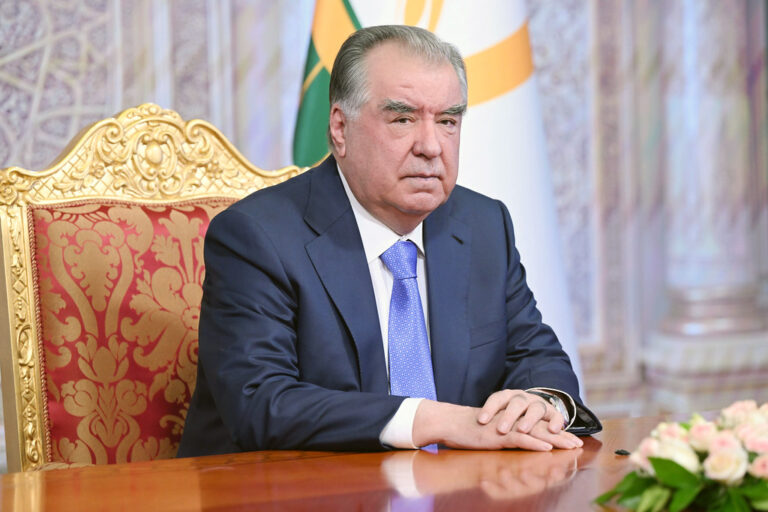
The law regulating expenses for celebrations by people initially drafted by President Emomali Rahmon is actual since 2007. According to the document, citizens who spend lavish weddings and funerals, thereby damaging their family budget, are subject to fine.