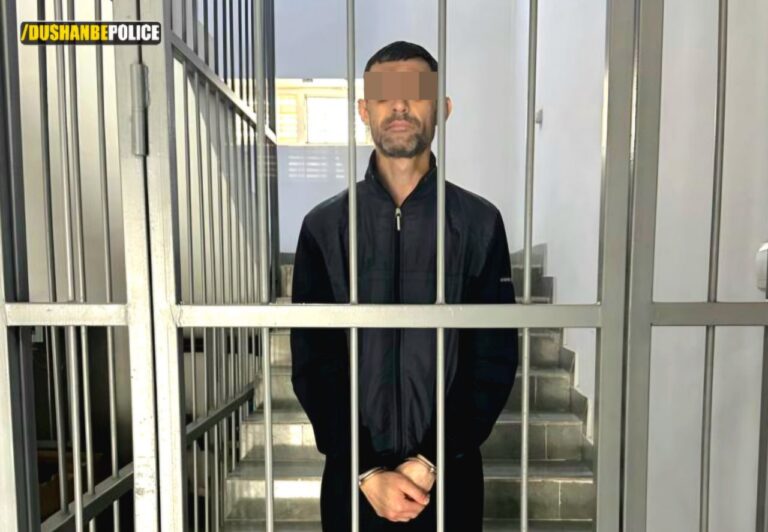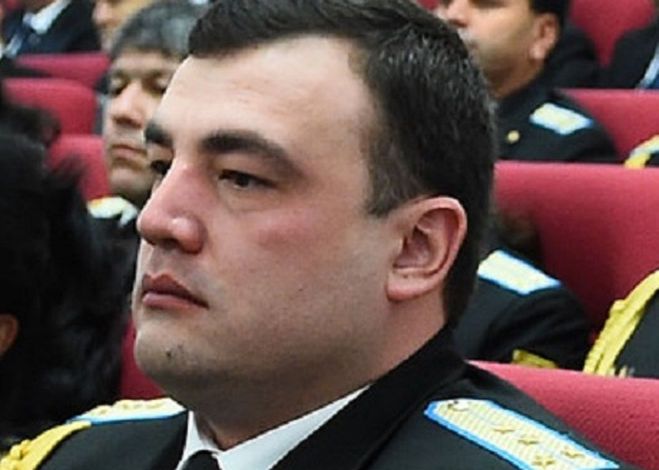
Firdavs Abdughafforzoda (formerly Firdavs Niyozbadalov), an investigator with the anticorruption agency and son-in-law of the former secretary of the Security Council Amirqul Azimov, has got a lengthy jail term on bribery conviction.
The Supreme Court of Tajikistan sentenced Firdavs Abdughafforzoda to thirteen years in prison yesterday evening. He will serve his term in a high-security penal colony.
The court's ruling was nearly identical to the prosecution's earlier demand for a 15-year prison term.
Besides, the court yesterday sentenced Safarali Homidzoda, the deputy chief of the anticorruption agency’s office for Khatlon province, and Afzalzoda, former officer with the anticorruption agency, to six year in prison each.
The name and position of Mr. Afzalzoda have remained unknown for media because the case materials are classified.
Recall, three other anticorruption officers charged with bribe taking were convicted yesterday morning.
The Supreme Court sentenced Firouz Kholmurodzoda, the former head of the investigative directorate at the Agency for State Financial Control and Combating Corruption, Amirsho Sultonzoda, the former head of the investigation department at the anticorruption agency’s office for Dushanbe, and Qosim Saidzoda, the former head of the department for combating economic crimes in the sphere of transport, to 15, nine and seven years respectively. The sentence followed their conviction on charges of fraud and bribery. They will serve their terms in a high-security penal colony.
A it had been reported earlier, the former deputy chief of the anticorruption agency, Davlatbek Khairzoda, and the former deputy head of the Customs Service’s office in Sughd province, Faridoun Benazirzoda, who had previously served in the anticorruption agency, were sentenced to 10 ½ years in jail each on July 28. They were found guilty of bribe taking.
The trial of the anticorruption officers charged with bribe taking that began on July 19 is closed to the public and officials have not disclosed details of their investigations.
Fourteen people have been under investigation. Ten of them are former employees of the anticorruption agency, while four others belong to other bodies.