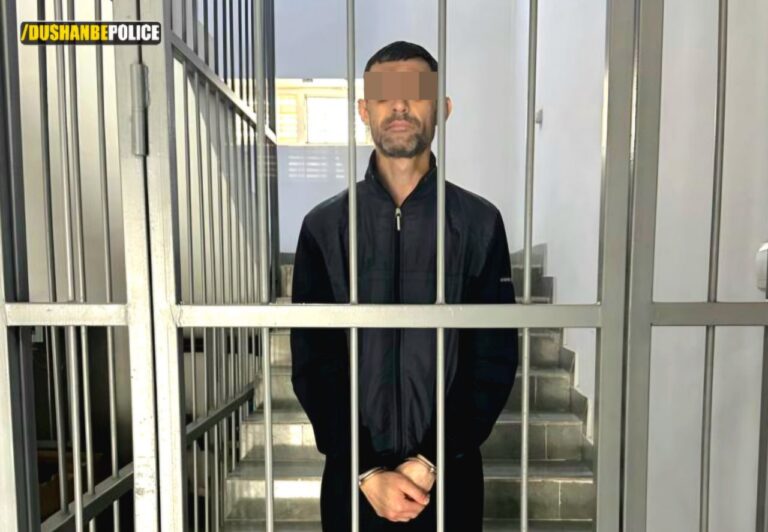
Imam-khatib of one of mosques in the northern province of Sughd has been jailed for membership in the outlawed Salafi group.
A court in the city of Guliston (formerly Qairoqqum) sentenced the 42-year-old Ilhomiddin Abdulloyev, imam-khatib (the leader of prayers in the mosque) of the mosque in Choruk-Daarron settlement, to 5½ years in prison.
The sentence followed his conviction on charges of organizing activities of an extremist group (Article 307 (3) of Tajikistan’s Penal Code).
A source at the Guliston city court says Ilhomiddin Abdulloyev joined the Salafi group while studying in a religious school in Kuwait in 1994-1998. He was reportedly disseminating Salafi beliefs and calling on parishioners to join the Salafi group.
The Tajik authorities banned Salafism as an illegal group on January 8, 2009, saying the Salafi movement represents a potential threat to national security and the Supreme Court added Salafists to its list of religious groups prohibited from operating in the country.
The movement claims to follow a strict and pure form of Islam, but Tajik clerics say the Salafists’ radical stance is similar to that of the Taliban in Afghanistan.
Salafists do not recognize other branches of Islam, such as Shi’a and Sufism. The movement is frequently referred to as Wahhabism, although Salafis reject this as derogatory.
The overwhelming majority of Tajiks are followers of Hanafia, a more liberal branch of Sunni Islam.
On December 8, 2014, the Supreme Court of Tajikistan formally labeled the banned Salafi group as an extremist organization. The ruling reportedly followed a request submitted to the court by the Prosecutor-General’s Office. The ruling means that the group’s website and printed materials are also banned.