We have calculated that electricity generated by the first two units of the Roghun hydroelectric power plant (HPP) will be enough to just only provide with electricity a new aluminum smelter, construction of which is expected to start in February next year.
The new aluminum smelter will receive electricity from the Roghun HPP.
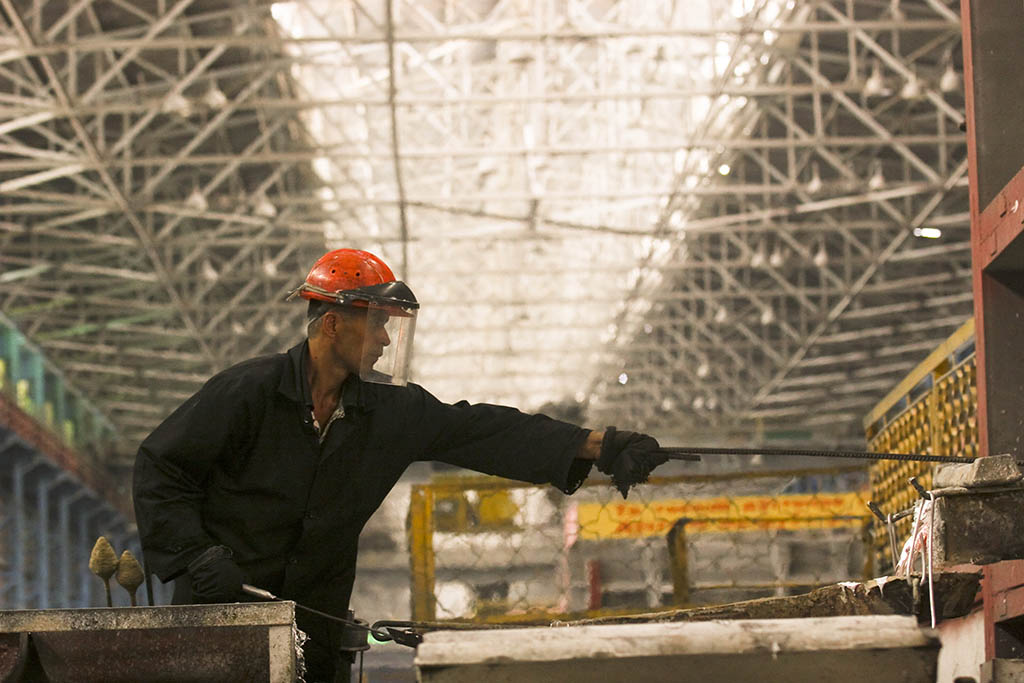
To produce one ton of primary aluminum the Tajik aluminum plant operating in Tursunzoda consumes 19,000 kWh of electricity, while the new aluminum smelter is projected to consume 11,800 kWh of electricity for production of one ton of primary aluminum.
Under this state of things, the new aluminum plant will take all the electricity generated by the first two units of the Roghun HPP. This, in its turn, means that power rationing will not be canceled with the beginning of operation of the Roghun HPP.
But that is not all.
Introducing the new aluminum smelter into operation can lead to sharp rise in prices for electricity in the country as well as to environmental problems in the region.
Recall, a new aluminum smelter with annual capacity of 503,000 tons is also expected to be built in Tursunzoda. An agreement on construction of a new aluminum smelter in Tursunzoda was reportedly reached between the Tajik Aluminum Company (TALCO) and China’s Yunnan Company during Tajik President Emomali Rahmon’s visit to China in later August this year. The estimated budget for construction of the new aluminum plant is 1.6 billion U.S. dollars. The construction of the plant is expected to commence in February next year and it will be finished in one and a half years.
Roghun HPP is an embankment dam in the preliminary stages of construction on the Vakhsh River in southern Tajikistan. It is one of the planned hydroelectric power plants of Vakhsh Cascade.
In 2016, construction duties on Roghun were assigned to Italian company Salini Impregilo. It is estimated that the project will cost $3.9 billion to complete. The project is broken down into four components, with the most expensive one involving the building of a 335-meter-high rockfill dam — the tallest in the world — which will entail costs of around $1.95 billion.
According to Salini Impregilo, two of the six turbines will start producing energy for sale by 2019 to raise funding to complete it. The first turbine is expected to go into service in August 2018, followed by the second one in October of the same year.
If built as planned, the dam will be the tallest in the world at 335 meters and have a capacity of 3600 MW.