The World Bank’s report Cities in Europe and Central Asia notes that Tajikistan’s population has increased over the last years. Between 2000 and 2014 Tajikistan’s population reportedly grew 34.10 percent. During this period Tajikistan averaged an annual population growth rate of 2.05 percent with a high of 2.26 percent between 2011 and 2012. Europe and Central Asia (ECA)’s average annual population growth rate was only 0.31 percent in the same period.
Despite an increasing population Tajikistan’s urbanization level increased only by 0.21 percent between 2000 and 2014. Tajikistan’s urbanization level, remains low, reaching only 26.69 percent in 2014 compared to ECA’s average of 70.52 percent. This results from the urban population growing at similar rates than the rural population—and suggest that only a very small share of the rural population is moving to urban areas in Tajikistan.
According to the report, the majority of cities in Tajikistan have less than 50 thousand inhabitants. Despite this, an important share of the urban population (39.37 percent in 2014) live in cities with more than 500 thousand inhabitants although these cities make-up only 2.63 percent of Tajikistan’s urban system. The average size of Tajikistan’s cities increased by 11,945 between 2000 and 2014 up to 52,700 inhabitants. In the same period the percentage of cities with more than 100 thousand inhabitants doubled to 10.52 percent (from 2 to 4 cities).
There is only one agglomeration in Tajikistan, according to the nighttime lights threshold used in this analysis. This agglomeration is composed of Khujand and surrounding cities.
Despite the country’s low urbanization levels and slow urbanization rates, many cities in Tajikistan are rapidly growing.
The cities in southwestern Tajikistan, around Dushanbe, reportedly underwent an average population growth of 40.10 percent between 2000 and 2014. In the north (Sughd province), the cities around Khujand were on average growing slower than the cities around Dushanbe, averaging 25.72 percent population growth between 2000 and 2014.
Roghun and Qurghon Teppa (the capital of the Khatlon province) both experienced population growth above 65.00 percent between 2000 and 2014.
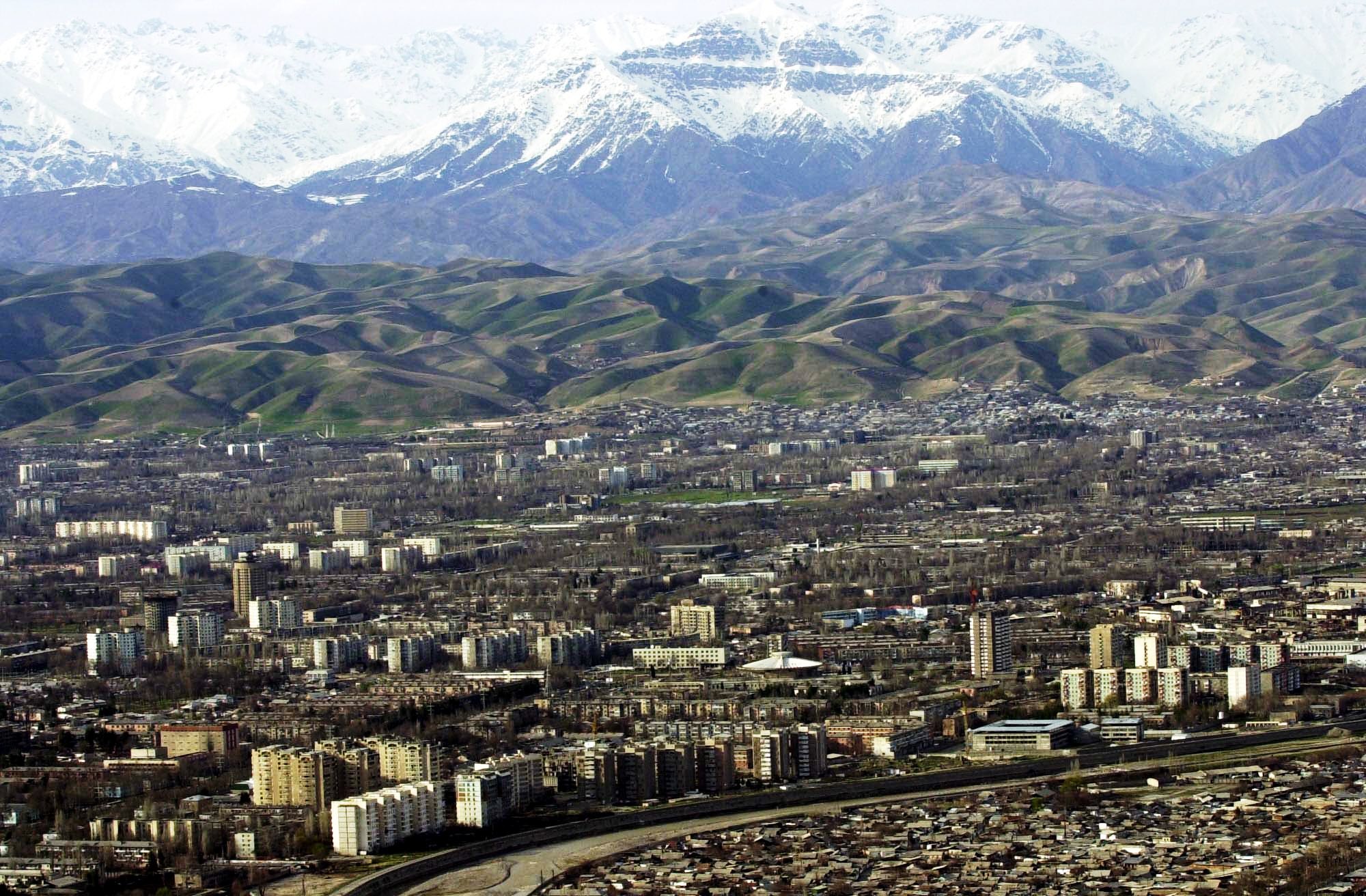
Dushanbe, the largest city by population in Tajikistan, grew by 36.13 percent in population between 2000 and 2014.
The report concludes that Tajikistan has a long way to urbanize before reaching urbanization levels on par with those throughout the region. This suggest that there is an abundance of opportunity for the country to shape urban development and foster economic activities in Tajikistan’s cities. However, to achieve this there must be a minimum standard of infrastructure (reliable provision of electricity, access to basic services, etc) available to ensure adequate living conditions and to support local economic development.