Tajikistan’s lower house (Majlisi Namoyandagon) of parliament has decided to postpone endorsement of a law on ratification of an agreement between Tajikistan and the World Bank on financing the Strengthening Critical Infrastructure Against Natural Hazards Project
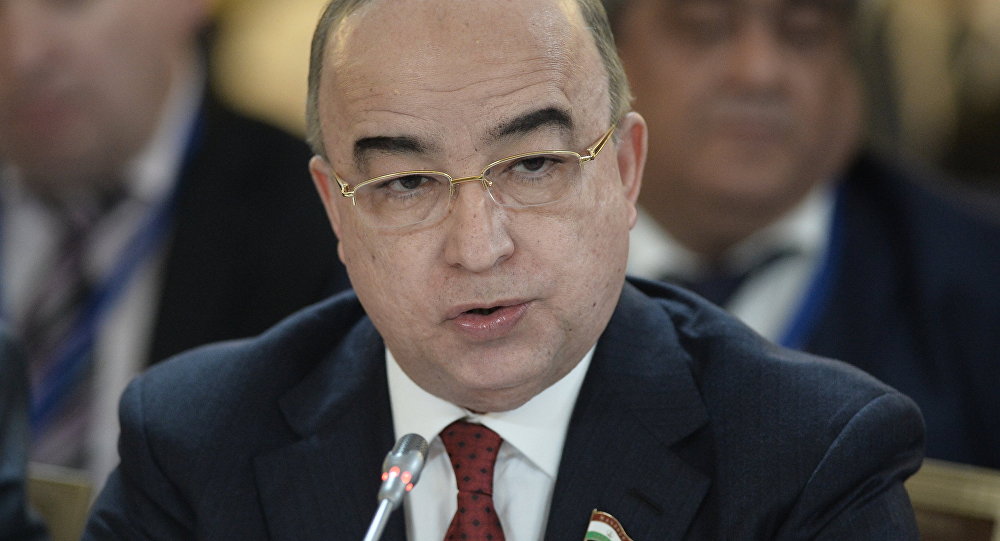
Presenting the bill to lawmakers, Deputy Finance Minister, Ms. Mehrinamo Jonmamadova, noted today that the project provides for constructing 18 bridges in the Gorno Badakhshan Autonomous Region (GBAO) and 31 kilometers of river embankments in the Khatlon province.
She said the World Bank would provide US$50 million, including US$25 million in a form of grant, for implementation of the project.
Meanwhile, Majlisi Namoyandagon speaker noted that “millions of somoni are spent every year for rehabilitation and construction of riverbank protection works but nobody reports on the work done.”
“We will postpone consideration of this issue until heads of ministries and agencies responsible for implementation of this project report to us on the work done and plans,” Zuhurov added.
Parliamentarians supported the speaker on this issue.
The mentioned project aims at strengthening Tajikistan’s capacity to prepare for, mitigate and respond to natural disasters. Related investments will help Tajikistan—a country prone to floods, mudslides, and earthquakes, and exposed to considerable climate change risks—to be able to prepare for potential natural disasters and to improve critical infrastructure.
Through the Strengthening Critical Infrastructure Against Natural Hazards Project, the World Bank and the Government of Tajikistan aim to protect the population and people’s livelihoods from the impacts of natural disasters and climate change risks, by improving the national capacity to effectively mitigate and respond to natural disasters.
The project will finance the modernization of crisis management centers under the Committee for Emergency Situations and Civil Defense to generate timely early warnings, crisis communication and emergency preparedness and response. It will improve the seismic hazard assessment capacity of the Institute of Seismology and Earthquake Engineering for more accurate disaster risk identification. In addition, the project will support the Government in preparing a financial protection strategy to mitigate the risk of fiscal shocks caused by disasters.
In addition, the institutional strengthening will be complemented by the reconstruction of key infrastructure, including roads, bridges, and river embankments in the Khatlon province and GBAO, which were damaged during the 2015 disasters.