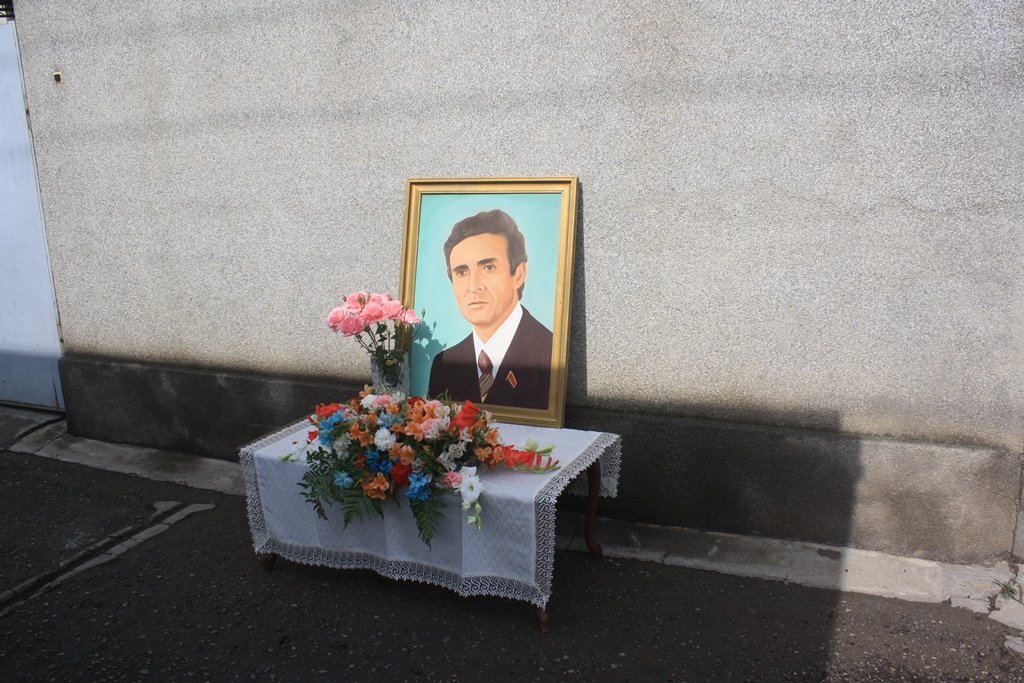
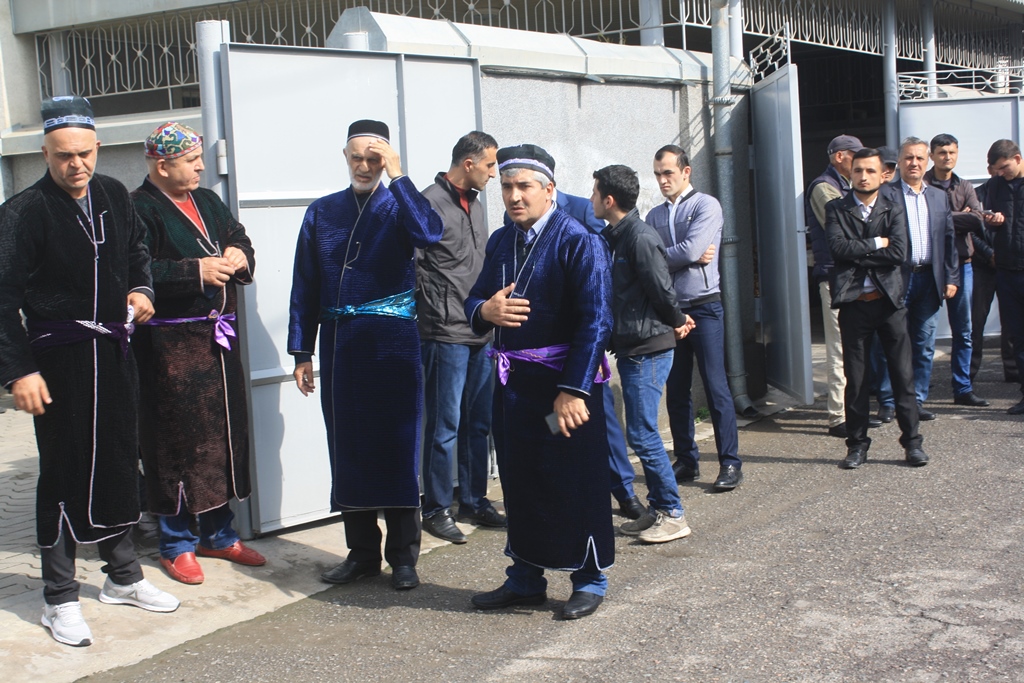
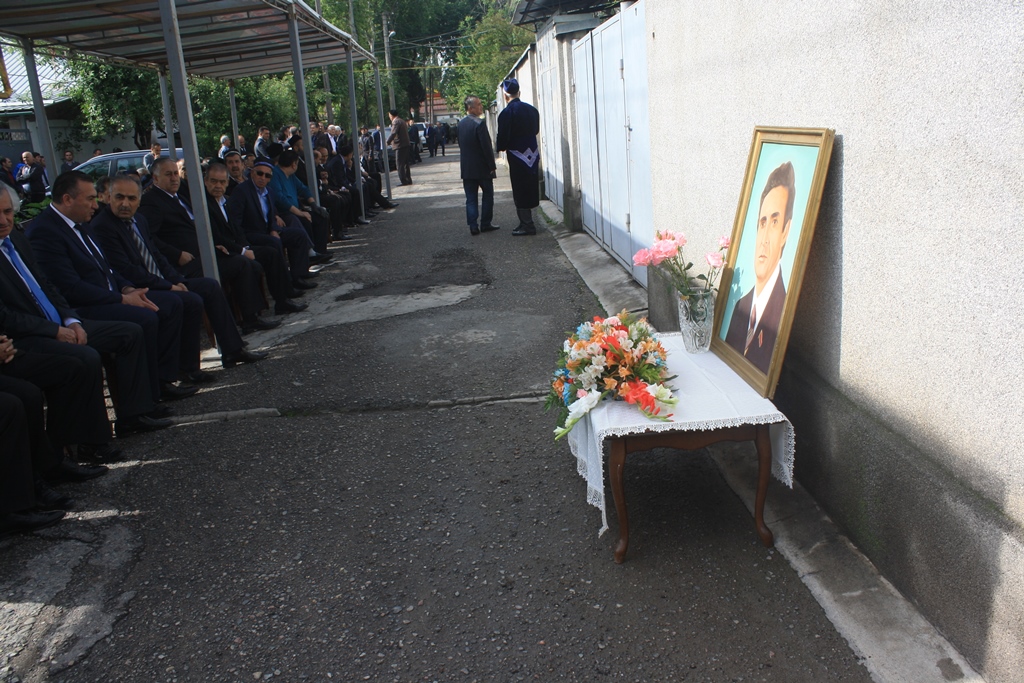
On Saturday May 19, residents of Dushanbe could pay their last respects to Tajik famous poet Mumin Qanoat. Thousands queued to pay respects to Mumin Qanoat, who died in Dushanbe Friday (April 18) afternoon, aged 86 after a long illness.
The famous poet was buried at Luchob cemetery in Dushanbe.
Mumin Qanoat was born in the village of Kurgovad in the Darvoz district of the Gorno Badakhshan Autonomous Region (GBAO) on May 20, 1932.
Mumin Qanoat received his early education in Darvoz and Gharm districts. He graduated from the Department of Tajik Philology Faculty at the Historical-Philological Faculty of Tajik National University in 1956.
His first verses were published in a district newspaper in the Gharm district in the late 1940s.
Mumin Qanoat had worked for Maorif va Madaniyat (Education and Culture) magazine and Irfon publishing house. From 1978 to 1991, He had headed the Union of Poets and Writers of Tajikistan.
Mumin Qanoat had been member of the Union of the Poets and Writers of the Soviet Union since 1961.
In 1977, Mumin Qanoat was awarded the USSR State Prize for his poem “Surushi Stalingrad” (Voices of Stalingrad).
Mumin Qanoat’s verses and poems were translated into many languages.