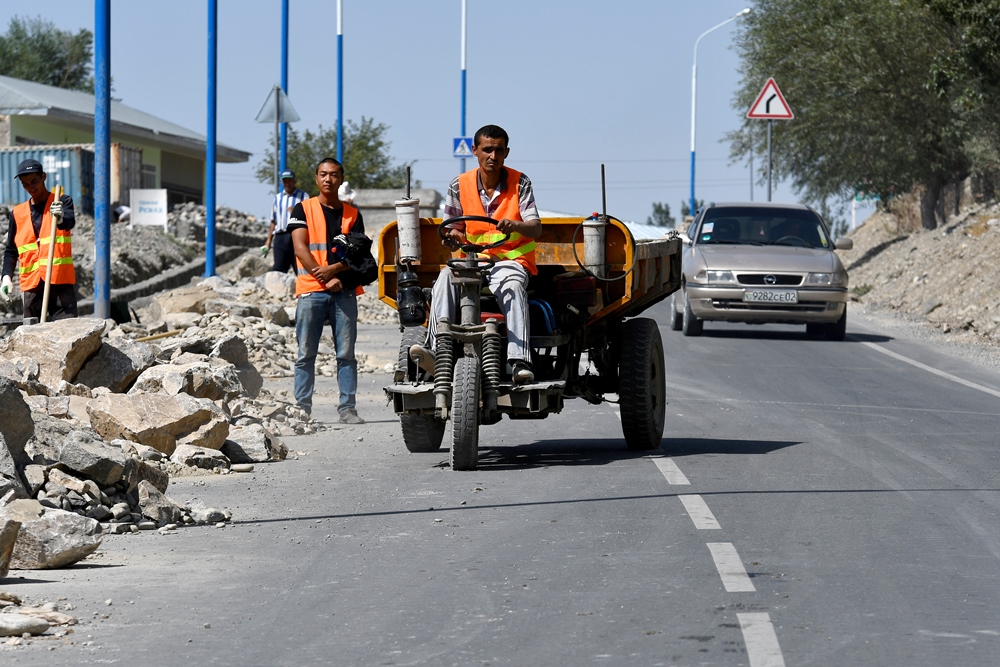
Before 2015, the road linking Ayni and Panjakent was terrible. People spent up to four hours to travel between the places, and cars needed urgent repair after those trips. Poor road conditions restricted access of more than 300,000 inhabitants living in the region to markets, educational and medical services, and limited the region's capacity to develop agriculture, mining, and tourism.
In 2012, the Asian Development Bank (ADB) approved a $100 million grant to Tajikistan to reconstruct the Ayni-Panjakent-Uzbekistan border road. And life of locals divided into “before the road repair” and “after”.
The 113 km Ayni-Panjakent-Uzbekistan border road is part of the historic Silk Road. It runs along the Zeravshan River in the Zeravshan Valley and reaches the Uzbekistan border. The road is critical for the economic development of the Zeravshan Valley and the country, as a whole, and supports regional cooperation.
Total cost of the project was $136 million. The government of Tajikistan provided $22 million, and OPEC fund for international development – $14 million loan.
The reconstruction works started in 2013 and continued for two years. In addition to reconstructing the main road, the project improved rural roads and road safety. It also improved infrastructure of Sarazm border-crossing point at the Tajik-Uzbek border which was closed at that time, but it is open now.
In 2015, President Emomali Rahmon inaugurated the reconstructed Ayni-Panjakent road. Since then, the life of locals has changed. “Before the road was repaired" and "after" became a landmark for them.
We met with several residents, and that's what they told.
Dostonboy Shodmonov, Ayni District:
– Repair of this road has made life easier not only for drivers and passengers who travel to Panjakent, but, above all, for me. Before it was repaired, I could not even imagine that I would get to the neighboring village by wheelchair myself. Along the broken road it was difficult for me to travel even with the help of one of my relatives. Now I drive around without problems.
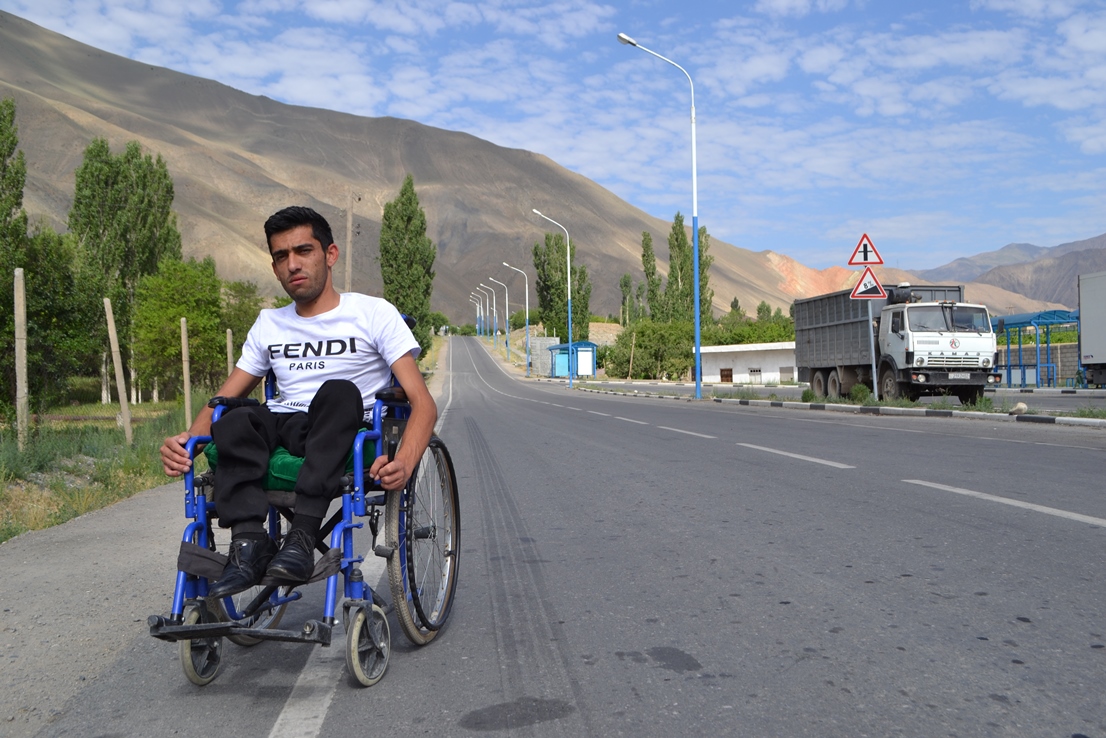
Every day, in the morning I go to relatives in neighboring villages, and my hard life has become much lighter, because I can get where I want to go.
Shahlo Rafieva, Arzanda Green Foods Company, Panjakent District:
– For me, time is the most valuable thing. I had to spend four or five hours to go to Ayni. Now you can reach Dushanbe within the same time.
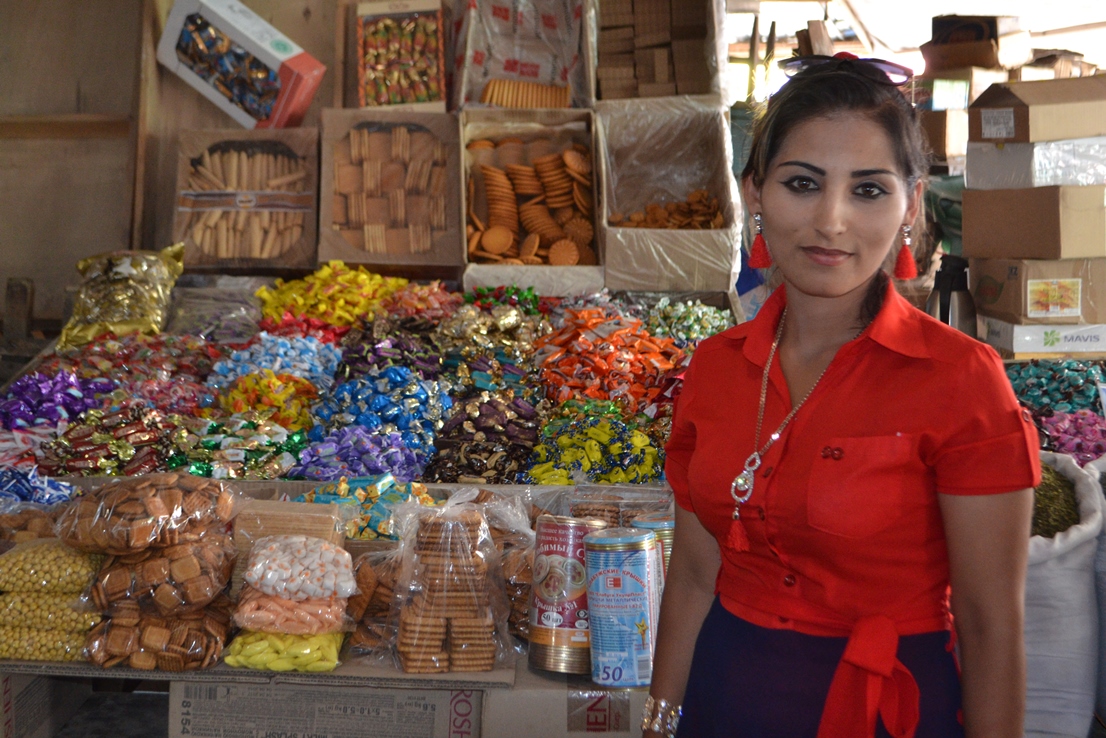
And my work is constantly connected with the road. We try to deliver products for Panjakent residents faster. Previously, it was difficult: cars broke down, drove for a long time, products spoiled. Now we do not have such issues.
Faizullo Holov, secondary school teacher, Dar-Dar village, Ayni District:
– I studied at the pedagogical school in Panjakent. There were only buses at that time, and the road was terrible. It is about 100 km to Panjakent and we travelled for three or four hours, but now you can get there in an hour.
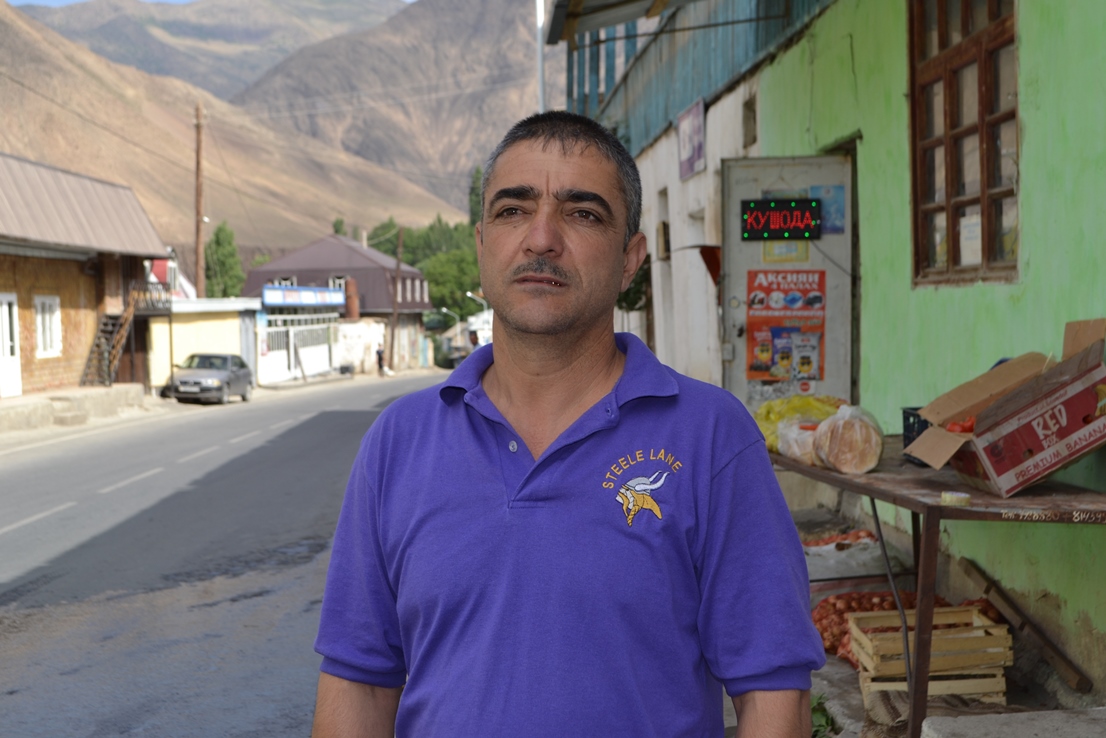
The road was asphalted and levelled, new bridges were built. You can now go to Panjakent in the morning, do your business and return before lunch. We have never dreamed of this before.
Valijon Solehov, taxi driver, Panjakent
– I have been working as a taxi driver on the route Panjakent-Ayni-Khujand-Dushanbe for 20 years. Before the road repair, there were only losses. To get from Panjakent to Ayni you need to drive 113 kilometers, and we drove for three or four hours. And now it's one hour. Well, a maximum of 1 hour and 20 minutes.
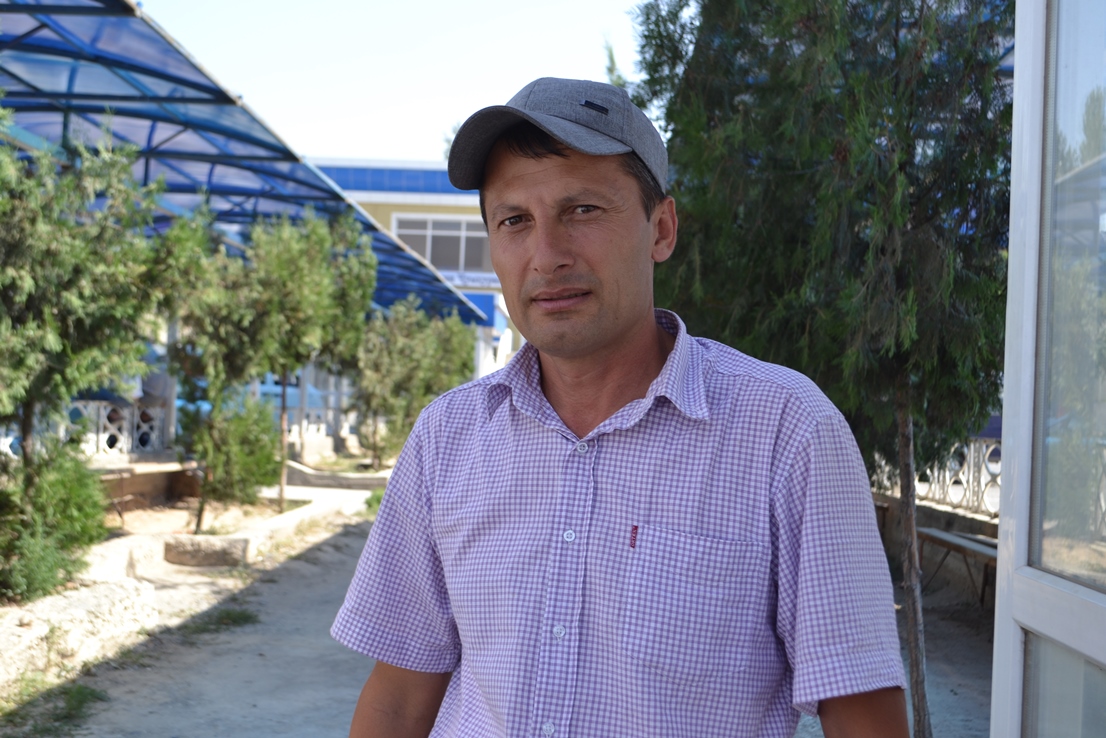
Before the road renovation, I had to repair my car every week, and it was expensive. We could not increase fare for passengers and we worked almost at a loss. Very few taxi drivers drove along this road at that time. Now everything is different, we save both time and money, fuel is consumed less. Fares have decreased, but we still do not lose. Everyone gains.