Leaders from 164 countries have agreed to a global pact that sets in action a plan “to prevent suffering and chaos” for global migration despite opposition and several withdrawals, including from the United States.
The Global Compact for Safe, Orderly and Regular Migration (GCM) was agreed upon on December 10 at an intergovernmental conference in Marrakech, Morocco.
A non-binding agreement, the GCM aims to better manage migration at local, national, regional and global levels, including reducing the risks and vulnerabilities the migrants or refugees face at different stages of their journey.
"Migration is a natural phenomenon," German Chancellor Angela Merkel said. "It happens all the time all over the world. If it happens legally, it’s a good thing."
Meanwhile, the non-binding pact agreed in July last year has become a target for right-wing and populist politicians who have denounced it as an affront to national sovereignty.
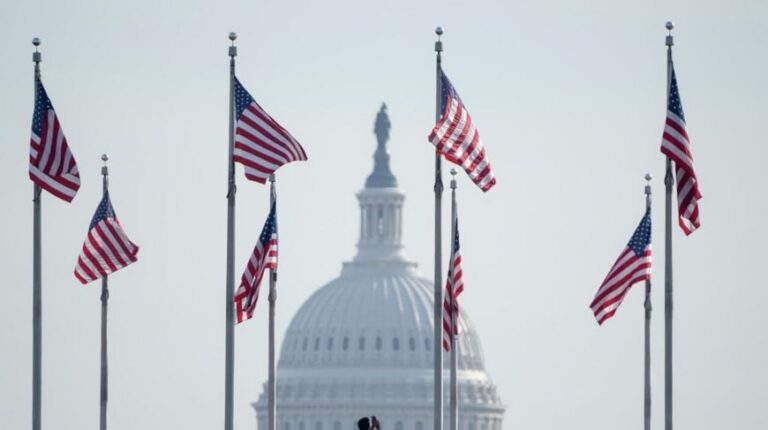
The US, which quit negotiations in December 2017, expressed concern that supporters of the agreement would use it to build "customary international law" or "soft law" in the area of migration.
In a lengthy statement released on December 7, the United States said the Global Compact for Safe, Orderly and Regular Migration represents “an effort by the United Nations to advance global governance at the expense of the sovereign right of states to manage their immigration systems.”
The three-page US statement outlined a number of objections such as a provision in the compact stating that detention of migrants should be "a last resort," arguing that this was inconsistent with US law.
Washington is also concerned that it "downplays the cost of immigration to destination countries" such as the "loss of employment opportunities" for low-skilled workers and "stresses on public services."
Hungary withdrew last year and since then Australia, Israel, Poland, Slovakia, the Czech Republic, Austria, Switzerland, Bulgaria, Belgium, Latvia, Italy and the Dominican Republic have quit the pact or expressed strong reservations.