Radio Liberty’s Tajik Service, known locally as Ozodi, reports Afghan abductors want an astronomical sum for release of a Tajik shepherd who was abducted by mistake on the first day of 2019.
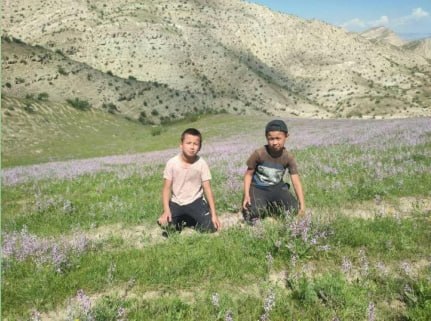
Recall, armed Afghan drug traffickers illegally crossed the border river in the Shamsiddin-Shohin (formerly Shouroobod) district in the Khatlon province on January 1 and kidnapped a 42-year-old shepherd Tourakhon Nourmatov, taking from his village of Sari Chashma.
RFE/RL’s Tajik Service says Nourmatov’s abductors want 40,000 U.S. dollars for his release.
Nourmatov is reportedly employed by the Qurbonov family as a shepherd, and the Afghan drug smugglers apparently came looking for a Qurbonov family member when they showed up at the village of Sari Chashma, some 10 kilometers from the Afghan border.
The hostage-takers possibly intended to abduct Saymuddin Qurbonov. His uncle, Abdughaffor Qurbonov, told Ozodi that the kidnappers phoned him from Afghanistan several times and said Saymuddin owed them $40,000 for narcotics they had passed on to him. They told him to pay the money and the shepherd would go free.
However, Saymuddin Qurbonov was convicted of drug smuggling in 2015 and is serving a 17-year prison term.
Abdughaffor Qurbonov told Ozodi that the Afghans came to him first. “They were curious what I was doing in the pasture. I told them I lost my cow. I gave them a different name, so they did not know the flock belonged to me,” he said, adding, “After a while, they took the shepherd away with them.”
Abdughaffor Qurbonov gave the kidnappers’ phone number to Ozodi and, amazingly, someone answered and acknowledged he was holding the shepherd. The man on the phone did not give his name, saying that Nourmatov was not going hungry.
“I well understand the herd does not belong to him,” the voice said.
The kidnapper had his own hard-luck story. According to him, those narcotics belonged to another person, who recently took away his house and his wife. “The government of Afghanistan didn’t help me, so I decided to take someone hostage, too. I don’t have any other way,” he said.
Tajiks living near the border with Afghanistan are falling prey to drug dealers who are taking desperate measure to recover debts. A number of Tajiks had been kidnapped by Afghan drug dealers in the previous years and held hostage until their families paid ransom money to clear debts.
The Shamsiddin-Shohn district is the most vulnerable part of the Tajik border. Its key location has made its residents an easy target of Afghan dealers looking for Tajiks to carry the drugs on to the next point of transit — the capital Dushanbe, or even a location outside the country.