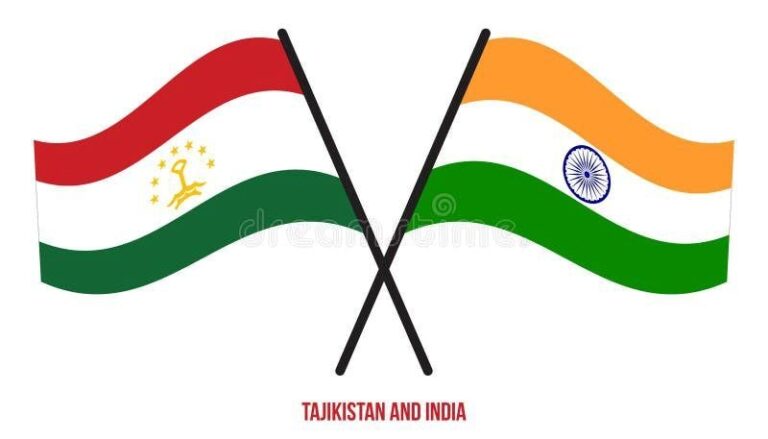
Seventy years have passed since Constitution of Republic of India came into effect. It is considered one of the most comprehensive and detailed constitutions of the world, according to the Indian Embassy in Dushanbe.
“The Constituent Assembly of India adopted Indian Constitution on 26 November 1949 and it came into effect from 26 January 1950.
“It was a wonder that the drafting committee, under the Chairmanship of Dr. Baba Saheb Ambedkar could finish this task of drafting a Constitution having more than 90,000 words for a diverse country like India in less than 3 years. There are many smaller and less diverse countries in the world which struggled for decades and yet could not work out a stable constitution acceptable to all their citizens.
“Interestingly, two copies of large volume of original Indian Constitution were basically handwritten, one in English and one in Hindi. All the members of constituent assembly signed on these original copies. Copies of this original hand written Constitution are well preserved in the library of the Indian Parliament.
“If we question as to what is great about this Constitution, the answers we get are many. This constitution has assured rule of law in the country for the last 70 years. Indian democracy has been successful because of this embodiment of law, it is secular and it treated all citizens genuinely as equal without any consideration of religion, language or any other identity. Indian Constitution passed the test of time. It has allowed changes according to the requirements of the times. That is why, though 100 amendments have been brought to original constitution, the core principles and ideals of the Constitution remained unaltered. If law-makers try to alter the basic structures of the constitution then the Supreme Court strikes it down. Hence the Constitution of India with 395 articles, 22 parts and 12 schedules has remained the backbone of the largest democracy of the world.
“India believes in the principle that let good things come from all sides of the world. While preparing the Constitution, the drafting committee chose the good concept and practice from many Constitutions of other countries. Indian Constitution borrowed ideas from USA, USSR, England, Netherlands, Ireland and many other countries for its finer points. Hence it is a combination of rigidity and flexibility and unitary and federal forms of government. It guarantees fundamental rights but incorporates fundamental duties to all its citizens. By enacting this Constitution to themselves Indian citizens ended centuries of discrimination and economic, political and social exclusion under the colonial rule over millions of people. The adoption and implementation of this ‘law of the land’ marked the beginning of a new era in the history of one of the earliest civilizations of the world.
“26th January is important for India and peace-loving democracies of developing countries in general. On this day, the Indian Constitution, which encompasses the vision and aspirations of hundreds of millions of people of a multicultural, multi-lingual and multi religious country came into effect. This has carried the country of billion plus people into the twenty first century and expected to carve out a better future. The Constitution has not failed so far and has not allowed the democratic system of over billion people to collapse. This is the day to remember and respect the creators of the Constitution of India, which is now the guiding spirit for many Constitutions of the world.”