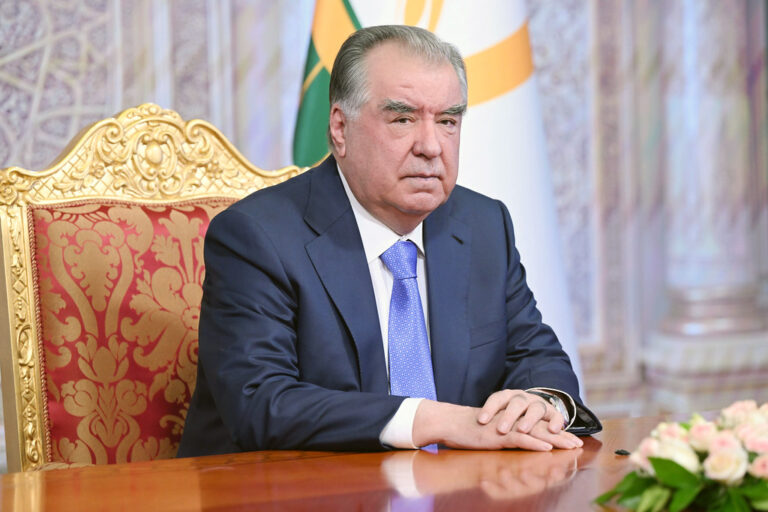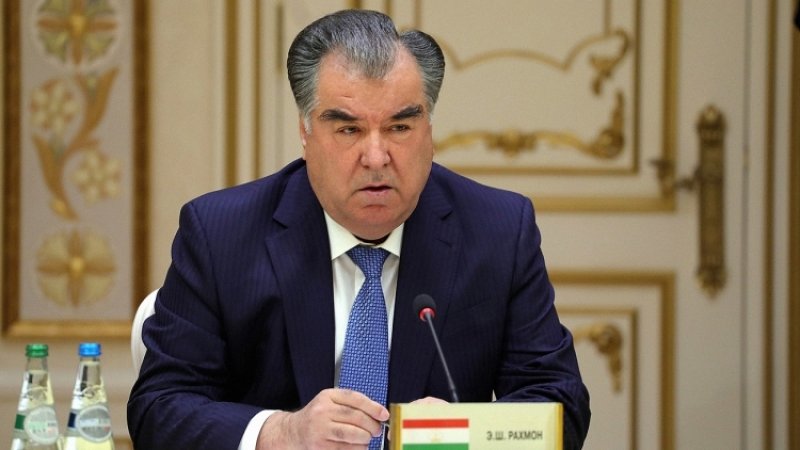
President Emomali Rahmon yesterday issued an order that reversed the Internet rate hikes. By president’s order appropriate measures have been taken against responsible persons.
Recall, earlier in the day, Antimonopoly Agency chief Saadi Qodirzoda had been dismissed from his duties “due to his transfer to another job.” He was appointed deputy chief of President’s Executive Office.
Ikromiddin Valizoda, who had previously served as deputy chief of the Agency for for Standardization, Metrology, Certification and Trade Inspection (Tojikstandart), was appointed to head the Antimonopoly Agency.
According to some source, the decisions to increase Internet fees in Tajikistan has been canceled in the face of online protests.
As it had been reported earlier, it was the Antimonopoly Agency under Qodirzoda that last month ordered all Internet providers in the country to nearly double the minimum fee for Internet connections, as of April 18. Officials have said the price hike was “a necessary step” to take the youth “out of the virtual world back to reality.”
The move has been criticized among Internet users across Tajikistan. Activists have I the past two days been collecting signatures in support of a petition urging President Emomali Rahmon and the Prosecutor-General's Office to cancel the Antimonopoly Agency order. One of the organizers of the campaign noted yesterday that more than 200 people have signed the petition.
According to Radio Liberty’s Tajik Service, Khushbakht Azizbekov, a young Tajik campaign organizer for a petition against the Internet price hikes, argued that the move was crippling to individuals who rely on the Internet for their livelihood.
“A lot of people use the Internet to earn a living and I am one of them,” Azizbekov said. “People use the Internet for work every day. Here in Tajikistan, people earn about $120 per month," he said, noting that the doubling of Internet costs was already making life harder for Tajiks.
Others complained that the Internet price hike hit families who have sent their sons to Russia and other countries to work as migrant laborers and send their earnings back to Tajikistan as remittances, RFE/RL’s Tajik Service said.