significant fiscal challenges for Tajikistan, says World Bank
DUSHANBE, May 7, 2019, Asia-Plus — The World Bank notes that earthquakes, severe droughts and extreme temperatures are major challenges facing the Central Asian region. In 2008, for example, an exceptionally cold winter created a humanitarian crisis in Tajikistan, affecting more than two million people.
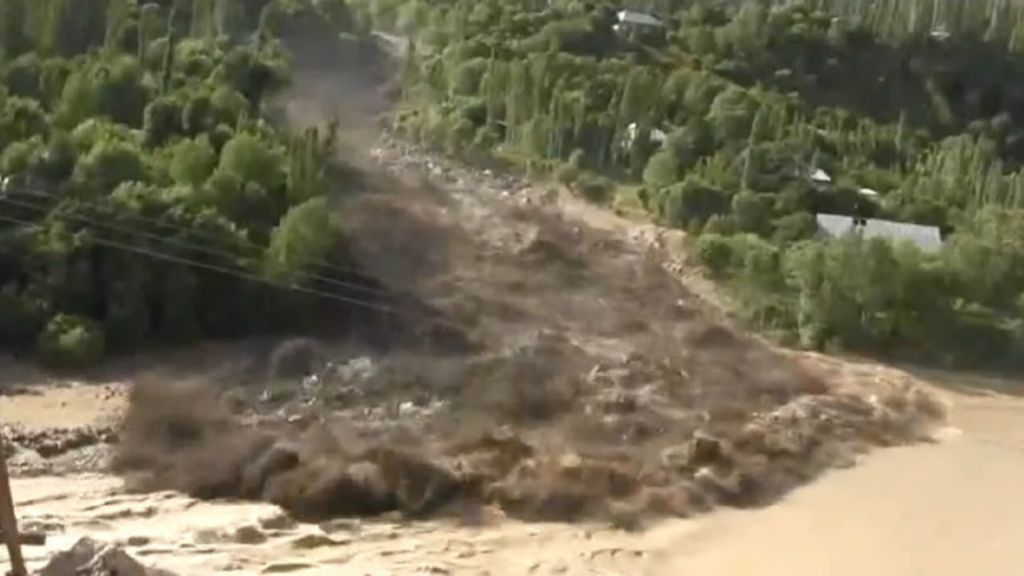
Apart from these rare and devastating events, other disruptive hazards like floods, landslides, avalanches and mudflows reportedly also threaten the livelihoods and well-being of more than 70 million people throughout the region. Beyond their localized impacts, these more frequent hazards can also drain local and national budgets over time, damage economic development, and push vulnerable populations into poverty.
The impacts of natural disasters create significant fiscal challenges for Tajikistan, according to the World Bank.
According to the World Bank, the social and economic impacts from natural disasters have been significant in Tajikistan.
During 1992–2016, disasters reportedly caused economic losses to a total estimated cost of US$1.8 billion, and affected almost 7 million people.
A World Bank study on earthquakes and floods estimated that average annual losses from floods could reach 1.4 percent of GDP and those from earthquakes 5 percent.
To strengthen Tajikistan’s capacity to prepare for, mitigate and respond to natural disasters the World Bank’s Board of Executive Directors in July 2017 approved US$50 million from the International Development Association for the Strengthening Critical Infrastructure against Natural Hazards Project in Tajikistan.
Designed for six years, the project finances the modernization of crisis management centers under the Emergencies Committee to generate timely early warnings, crisis communication and emergency preparedness and response.
The project also aims to improve potential of the Institute of Geology, Seismic Construction and Seismology in assessing seismic hazard for more precise identification of the disaster risk.
Besides, the project supports the country to develop financial protection strategies for mitigation of risk of fiscal shocks caused by disasters.