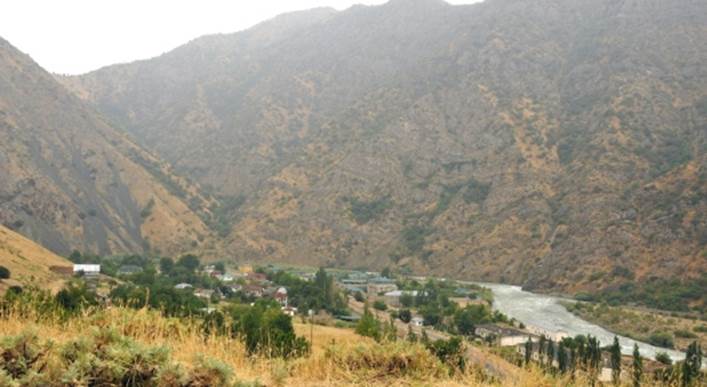
The first overview of forests in the Caucasus and Central Asia was launched at the United Nations Forum on Forests in New York yesterday.
On May 7, the UNECE/FAO Forestry and Timber Section released the first regional overview of the forest sector in the Caucasus and Central Asia (CCA) region since countries of this region became independent in the 1990s.
The State of Forests of the Caucasus and Central Asia publication describes forest resources, the forest sector of the region, and the major threats facing forests. It also covers forest sector policies, institutions and policy responses that are planned or already in place, and it lists the main issues and challenges facing the forest sector in the region.
The forests of the Caucasus and Central Asia are vital in fighting erosion and desertification in the harsh climates of the region. They host a rich biodiversity and provide livelihoods for the rural population, who have few other sources of revenue. These forests also serve as important sources of wood for energy.
Forests in the Caucasus occupy less than 15 percent of the territory, and in Central Asia less than 10 percent. The exception is Georgia, more than 40 percent of which is covered by forests. Together, the forests and other wooded lands of the eight countries of the Caucasus and Central Asia cover more than 30 million ha, which is the size of Italy.
The forests of the region are special due to their crucial role in protection against erosion and soil loss in highly vulnerable ecosystems. Almost 90 percent of the forests and other wooded lands is designated for protective functions. In many areas, non-wood products from the forests – nuts (pistachios, walnuts, almonds, hazelnuts), fruit and berries, hay, medicinal herbs, mushrooms, honey, flower bulbs, tree seeds and others – play important roles in supporting rural livelihoods. Plantations of saxaul, for example, are one of the few means of helping villages around the Aral Sea, where a reduction of the water area has created a salty desert, with windblown toxic dust that is damaging to health and the environment.
However, these forests are subject to strong pressures, reducing their area and quality and limiting their ability to perform protection and livelihood functions. There is excessive cutting to provide fuelwood for local communities, who have few alternative sources of energy. The grazing of animals vital to local communities also degrades forests. Local forest management units are often ill-equipped and under-resourced to carry out their tasks.
All forests in the region are publicly owned and managed by government forest organizations, funded from central government budgets. All of the countries have forest laws and policy statements in place. However, forest sector issues have little visibility at the highest policy level.