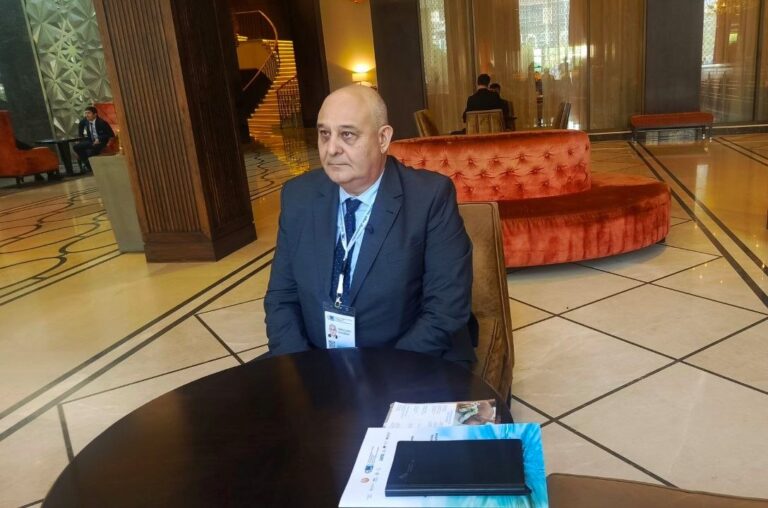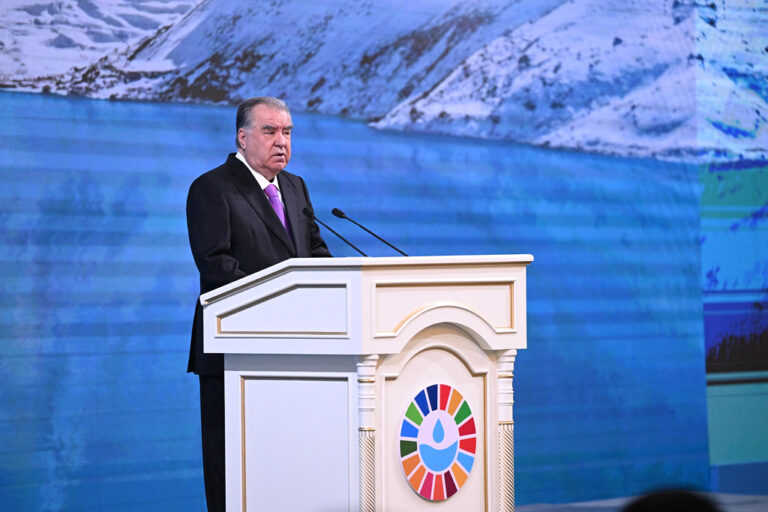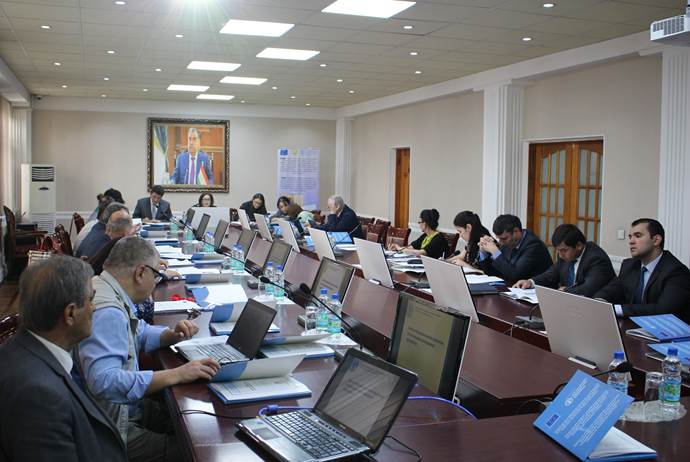
The draft of the National Food Safety Strategy of Tajikistan was presented and discussed on May 8 at the 2nd intergovernmental technical working group workshop and Development Coordination Council meeting in Dushanbe.
The meetings were organized with the support of the Food and Agriculture Organization of the United Nations (FAO) and the European Union, in close cooperation with the Ministry of Economic Development and Trade.
According to the FAO Country Office in Tajikistan, the strategy summarizes the country's vision and long-term goals on providing safe and quality food and protecting consumers from hazards associated with food in both domestic and export markets.
The intergovernmental working group reportedly includes representatives of the Ministry of Economic Development and Trade, Ministry of Agriculture, the Food Security Committee, Ministry of Health and Social Protection of Population, and TAJIKSTANDARD. Besides that, representatives of educational institutions, private sector and international partners are participating.
“The strategy serves as a comprehensive, step-by-step plan for strengthening the country’s food quality control system,” said Oleg Guchgeldiyev, FAO Representative in Tajikistan. “It contributes to the increased protection of consumers and their health, to poverty reduction, economic development, trade facilitation, and ensures easier access of food and agriculture products to high value markets.”
The strategy reflects national priorities and produces proof of the strong political will and consistent efforts toward modernizing food safety control system in Tajikistan.
“The National Development Strategy of Tajikistan covers the period till 2030 and recognizes food security as a strategic development goal for the country out of the four,” said FAO food safety expert Anna Vasylenko.
Following the meetings, further steps on the implementation of the strategy were discussed, including the distribution of responsibilities between organizations.
Moreover, Anna Vasylenko gave a lecture to students of the Tajik Technological University on food safety and the basis of the Hazard Analysis and Critical Control Points, or HACCP in short, method. The main objective of the lecture was to raise awareness of the educational institutions on the importance of food safety since safe and quality food is an essential element of healthy life for everyone.
Activities related to the development of the National Food Safety Strategy are part of the project “Strengthening institutions and capacity of the Ministry of Agriculture and State Veterinary Inspection Service for policy formulation,” funded by the European Union. The main objective of the project is to assist the government in institutional reforms of the agricultural sector, including food safety and security.