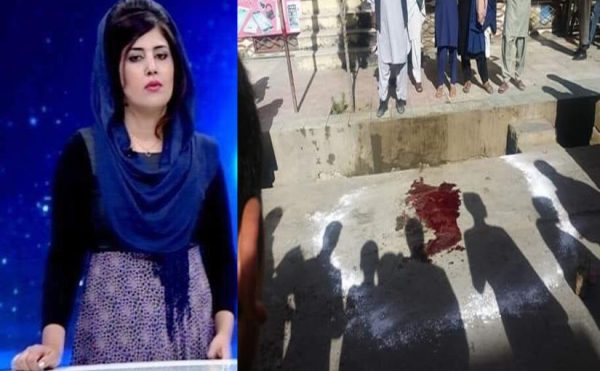
A prominent Afghan journalist and cultural adviser has been gunned down in Kabul, just days after she warned on social media that she feared for her life.
Citing a statement by the Afghan Interior Ministry, TOLONews reports a former journalist and a cultural advisor to the Wolesi Jirga (Afghanistan’s lower house of parliament), Mina Mangal, was killed in an attack by unknown gunmen in the eastern parts of Kabul.
The incident reportedly took place in Kart-e-Naw area in Kabul city at around 7:30am local time on Saturday.
Mina Mangal had worked as a news presenter for three local TV networks in Kabul, including LEMAR TV, Shamshad News, Ariana TV, and she was cultural advisor for the Wolesi Jirga.
Police have started an investigation into the Incident, said Nasrat Rahimi, a spokesman for the Interior Ministry.
According to The Guardian, the attack, in broad daylight in a public place, prompted an outpouring of grief and anger from women’s rights activists, directed at authorities who had left her unprotected in the face of threats.
In a tearful video posted to Twitter, Mangal’s mother named a group of men as suspected killers, claiming they had previously kidnapped her daughter. The group were arrested for that abduction, she said, but later bribed their way out of detention, according to The Guardian.
Mangal reportedly made her name as a presenter on the Pashto-language channel TOLO TV, the country’s largest private broadcaster, and later worked for one of its key competitors, Shamshad TV.
The Guardian says that off-screen she was a passionate advocate of women’s rights to education and work.
Such a public killing was an “absolute dishonor” on the police, intelligence services and national Security Council, the political analyst Mariam Wardak was cited as saying by The Guardian.
A report by Reporters without Borders (RSF) released in April shows that for Afghanistan’s journalists, 2018 was the deadliest year since the fall of the Taliban regime in 2001.
According to the report, a total of 15 journalists and media workers were killed in a series of bombings that began early in the year, nine of them in a single day.