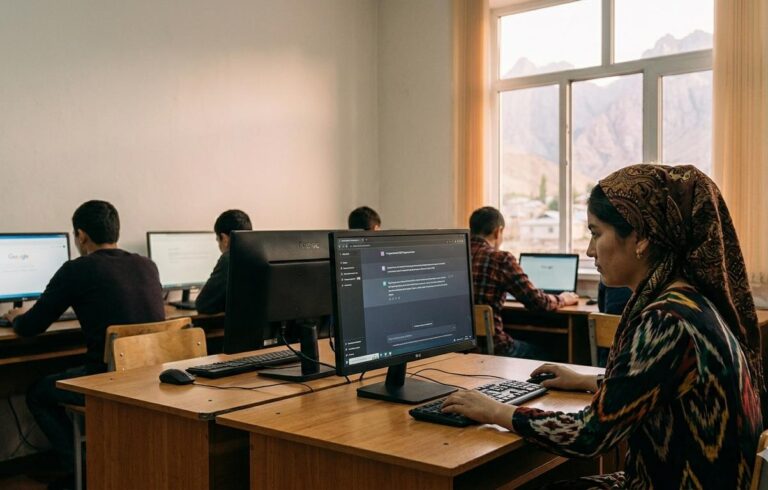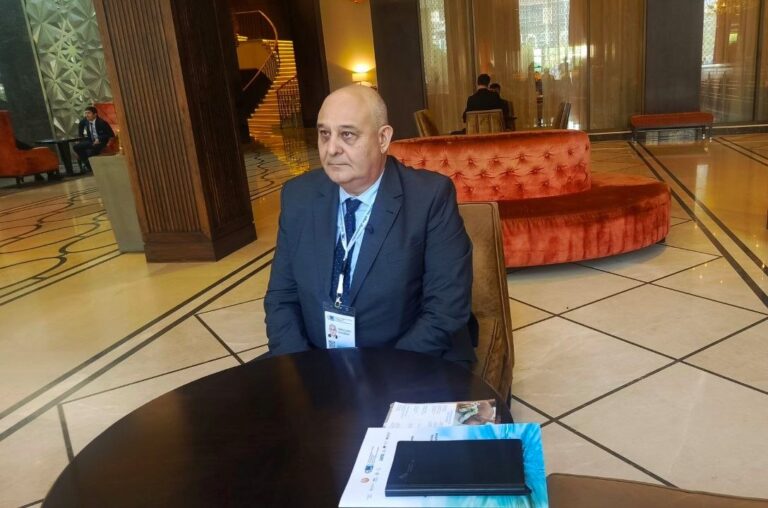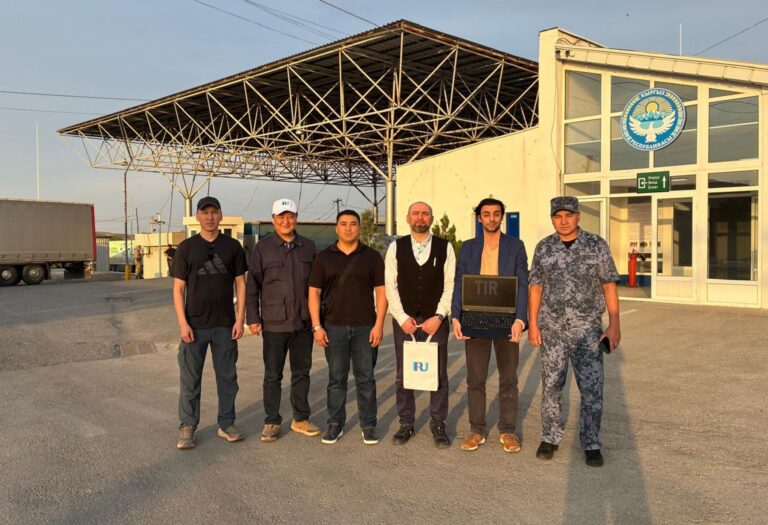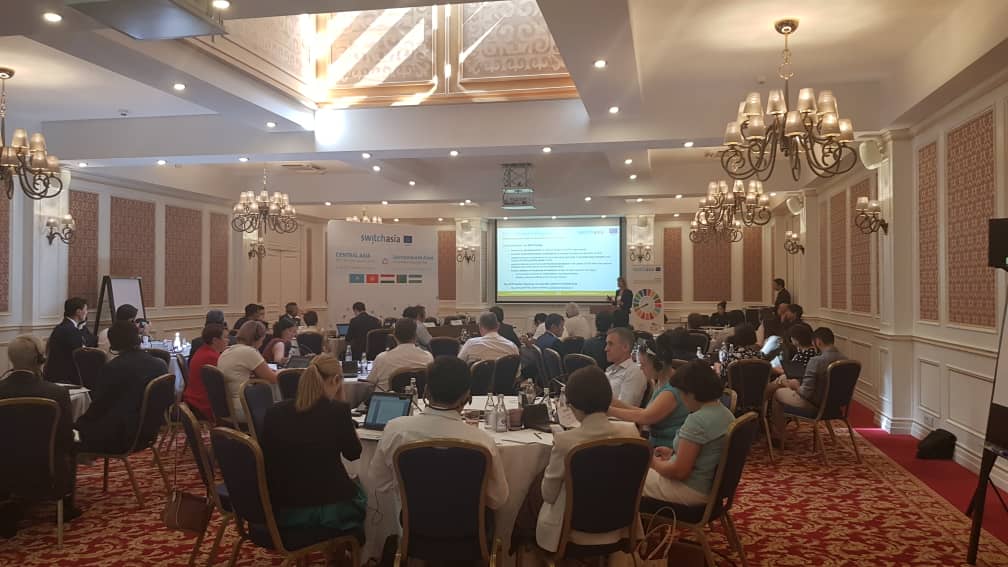
The program of transition to green economy has been launched in Central Asia.
To support sustainable consumption and production (SCP) and the transition to green economy in Asia, the European Union (EU) SWITCH-Asia Program that was launched in 2007 has been extended to Central Asia this year.
The EU SWITCH-Asia Program was officially launched in the Kyrgyz capital of Bishkek on July 5.
Co-organized by the SWITCH-Asia SCP Facility, the European Commission, Directorate-General for International Cooperation and Development (DG DEVCO), and concerned European Union Delegations, the event has brought together representatives of national governments, EU Delegations, United Nations agencies, and key stakeholders (business, academia, NGOs, MSMEs, among others) to discuss challenges and opportunities related to SCP and define its work plan for Central Asia’s nations (Kazakhstan, Kyrgyzstan, Tajikistan, Turkmenistan and Uzbekistan) for the next three years.
The urgent need to change from unsustainable consumption and production patterns to a green economy and sustainable development is increasingly being recognized. This shift requires adequate policies, implementation mechanisms with appropriate enabling capacity, awareness raising and education, together with innovation and responsibility.
The transition to sustainable consumption and production requires political, economic, institutional, behavioral and technological shifts. These are made possible through a combined application of sustainable consumption and production principles, approaches and strategies.
Speaking at the event, Ms. Zulfira Zikirna, Key Expert for Central Asia, SCP Facility SWITCH-Asia Program, in particular, noted that there is a three-year system work to be done with the governments of the region within the framework of the program.
“It is already the fact that the countries have outlined the way to green economy,” she said.
The launch event took place back-to-back with the EU-Central Asia Forum and Ministerial Meeting (July 6-7), where the new EU-Central Asia Strategy was presented. This Strategy includes a specific point on cooperation in the field of the environment, water and the implementation of the Paris Agreement on Climate Change, among others.
Over the next years (2019-2022), the five countries in Central Asia will be benefitting from the support of experts from the SWITCH-Asia Sustainable Consumption and Production Facility (SCP Facility) and from a grant scheme that has been set up to support pilot projects testing new approaches on SCP in the region. The European Commission is expected to select until the end of this year ten projects that will be implemented in Central Asia