Over the first eight months of this year, Tajikistan has earned more than 76.5 million somoni from supplying electricity to neighboring countries, which is 22.8 percent more than in the same period last year, according to the Agency for Statistics under the Government of Tajikistan.
In January-August last year, Tajikistan reportedly earned some 62.3 million U.S. dollars from exporting electric power to neighboring countries.
The Ministry of Energy and Water Resources (MoEWR) says Tajikistan has exported more than 2.5 billion kWh of electricity over the first eight months of this year.
According to data from the Monitoring and Early Warning in Tajikistan monthly report for August this year, electricity exports made by Tajikistan in August this year amount to 31.4 percent of a total amount of electricity generated by Tajik power plants the same month.
In August, Tajikistan reportedly exported 346 million kWh of electricity to Uzbekistan, 270 million kWh of electricity to Afghanistan and little more than 22 million kWh of electricity to Kyrgyzstan and Kazakhstan.
In all, Tajikistan plans to export some 3.5 billion kWh of electricity this year.
The country’s electricity exports have reportedly increased due to introducing two units of the Roghun hydroelectric power plant into operation.
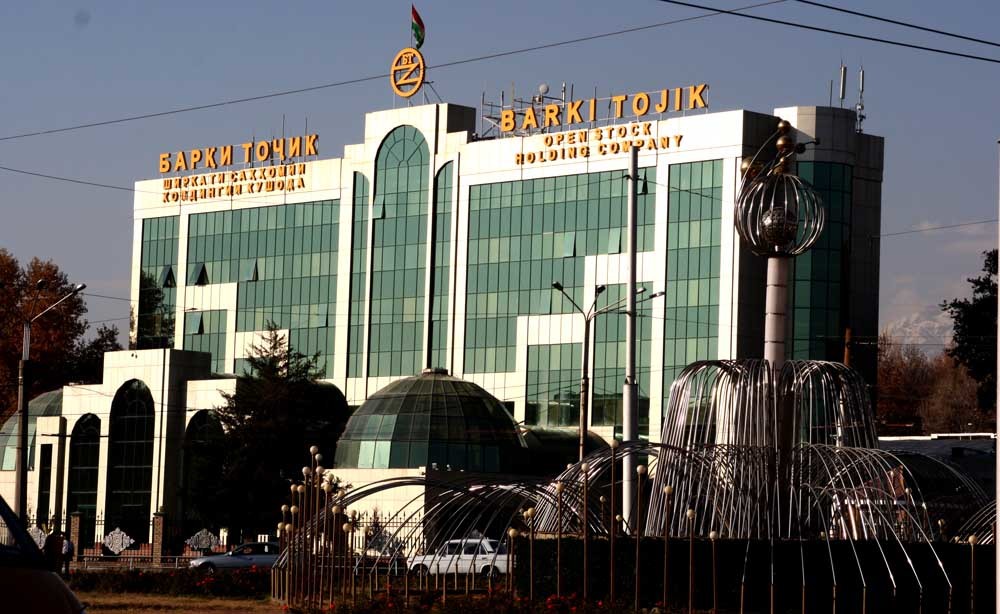
It is to be noted that Tajikistan’s power utility company is now in a difficult financial state. The process of restructuring of Barqi Tojik is under way and Barqi Tojik is expected to be divided into three independent companies already this year: 1) generation; 2) transmission business; and 3) distribution.
Tajikistan’s power sector is comprised of the vertically integrated energy company, Barqi Tojik, three independent power producers (IPPs), and a concession in Gorno-Badakhshan Autonomous Region (GBAO) combining power generation and distribution.
Barqi Tojik is fully owned by the Government. It owns and operates most of the electricity generating plants and is also responsible for electricity transmission, dispatch, and distribution services to around 8 million people in all regions of the country except for GBAO.
Two of the IPPs – Sangtuda-1 and Sangtuda-2 hydropower plants (HPPs) – were constructed with investments from Russian and Iranian state-owned companies, and supply electricity to Barqi Tojik under 20-year power purchase agreements (PPAs). Third IPP – Roghun HPP – is under construction.
Pamir Energy Company (PEC) generates and supplies electricity to around 200,000 people in GBAO under 25-year concession agreement.