137 Sughd residents suspected of committing extremist crimes pardoned

137 residents of the northern Sughd province, who were suspected of committing extremist crimes, have been pardoned. Sughd chief prosecutor Habibullo Vohidov remarked this on October 4 while addressing a meeting to review the results of work carried out by local prosecutor’s offices over the first nine months of this year.  According to him, those […]

137 residents of the northern Sughd province, who were suspected of committing extremist crimes, have been pardoned.

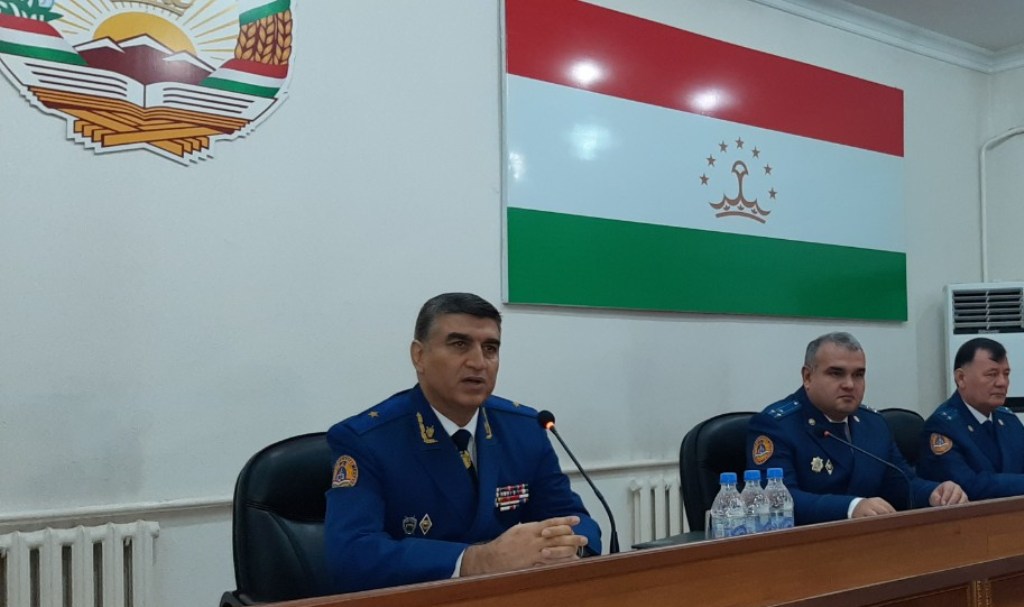
Sughd chief prosecutor Habibullo Vohidov remarked this on October 4 while addressing a meeting to review the results of work carried out by local prosecutor’s offices over the first nine months of this year. 

According to him, those 137 persons, who were suspected of committing extremist crimes, have been pardoned on the basis of Article 307 (3) and Article 401 of Tajikistan’s Penal Code, which in particular, stipulate that a person voluntarily stopping participation activities of political parties, public or religious associations, which are banned in Tajikistan in connection with carrying out extremist activity, is exempted from criminal liability, if his/her actions do not contain a different corpus delicti.  

Tajikistan amended its criminal laws in 2015, allowing authorities to pardon Tajik fighters who voluntarily return home and repent joining foreign militant groups.  The government insists that it's not a blanket amnesty and applies only to those who have not taken part in violence.

Join us on social media!

Article translations:

Related Article

Оби зулол
Tenisi
Оби зулол

Most Read

Коммерсбонк Точикистон

Recent Articles

RZD announces the restoration of passenger services between Moscow and Dushanbe

Direct rail services between the capitals of Russia and Tajikistan were suspended in March 2020 due to the COVID-19 pandemic.

#AP30/Stories. “Selam! Heller nichek?” How Tatars live today in Sughd province

On the 30th anniversary of "Asia-Plus," we continue to publish reports that remain relevant even after years. This story was told in 2021, and since then, little has changed in the life of the Tatar community in Tajikistan.

15,000 cameras, drones, and robots: how technology monitors pilgrims in Mecca and Medina

During Hajj 2026, Mecca and Medina were under unprecedented digital control.

Another child in Dushanbe removed from family and sent to boarding school

The Ministry of Internal Affairs reports that the parents did not pay adequate attention to the child.

Emomali Rahmon instructs to address issues in seed production following criticism of the industry

Issues have been noted with certification, seed quality, and the material and technical base of the industry.

Water, climate, and a $130 billion deficit: seven key outcomes of the Water Conference in Dushanbe

At the forum, countries and international organizations discussed new mechanisms for cooperation, investments, and technologies that are essential for addressing the global water crisis.

Eskhata Bank introduces a new generation children’s wallet

"Eshkata Bank" has created a full-fledged digital platform that helps children aged 7 to 16 learn how to manage money.