Russian president orders to criminalize propagation of narcotic drugs

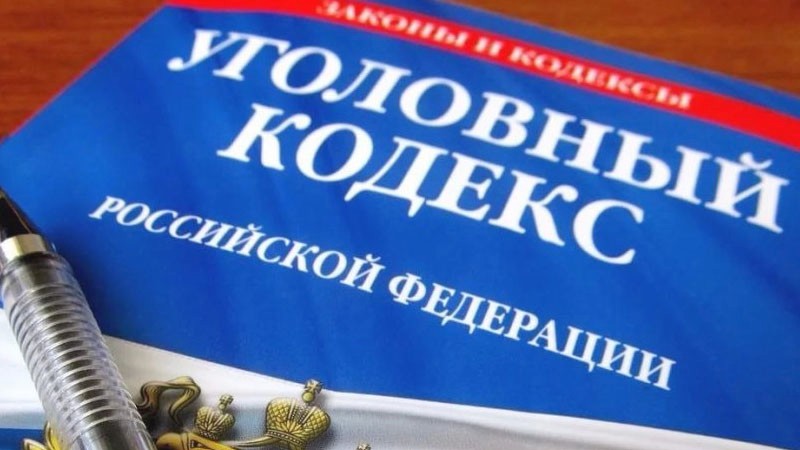
Russian President Vladimir Putin has ordered the country’s federal executive branch to develop new legislation that would criminalize “encouraging the use of or propagandizing narcotic substances, psychotropic substances, or their analogues using the information and telecommunication network known as the Internet,” according to Meduza. Encouraging illegal drug use in Russia is currently an administrative violation […]

Aia-Plus

Russian President Vladimir Putin has ordered the country’s federal executive branch to develop new legislation that would criminalize “encouraging the use of or propagandizing narcotic substances, psychotropic substances, or their analogues using the information and telecommunication network known as the Internet,” according to Meduza.

Encouraging illegal drug use in Russia is currently an administrative violation punishable by a small fine, and there has not previously been a specific punishment for committing that violation online.

Putin also ordered Russia’s Interior Ministry to develop plans for hiring new staff members who would track drug-related crimes online.  Finally, the order encouraged government funding for organizations that prevent drug use or provide rehabilitation services.

Meduza says the new executive measures followed a meeting during which Alexey Sviridov, a member of the Strong Russia movement, warned Putin about the dangers of “drug-advertising,” which he described as a set of “domains, electronic addresses, where teenagers or other residents can just go and acquire [drugs],” adding, “you can even pay in Bitcoin there, that is, through text messages and online chats.”  Sviridov reportedly also told President Putin about a movement called Sober Russia and its efforts to combat drug use.  
Join us on social media!

Article translations:

Related Article

Оби зулол
Оби зулол
Tenisi

Most Read

Коммерсбонк Точикистон

Recent Articles

RZD announces the restoration of passenger services between Moscow and Dushanbe

Direct rail services between the capitals of Russia and Tajikistan were suspended in March 2020 due to the COVID-19 pandemic.

#AP30/Stories. “Selam! Heller nichek?” How Tatars live today in Sughd province

On the 30th anniversary of "Asia-Plus," we continue to publish reports that remain relevant even after years. This story was told in 2021, and since then, little has changed in the life of the Tatar community in Tajikistan.

15,000 cameras, drones, and robots: how technology monitors pilgrims in Mecca and Medina

During Hajj 2026, Mecca and Medina were under unprecedented digital control.

Another child in Dushanbe removed from family and sent to boarding school

The Ministry of Internal Affairs reports that the parents did not pay adequate attention to the child.

Emomali Rahmon instructs to address issues in seed production following criticism of the industry

Issues have been noted with certification, seed quality, and the material and technical base of the industry.

Water, climate, and a $130 billion deficit: seven key outcomes of the Water Conference in Dushanbe

At the forum, countries and international organizations discussed new mechanisms for cooperation, investments, and technologies that are essential for addressing the global water crisis.

Eskhata Bank introduces a new generation children’s wallet

"Eshkata Bank" has created a full-fledged digital platform that helps children aged 7 to 16 learn how to manage money.